Support our educational content for free when you purchase through links on our site. Learn more
🧠 45+ Best Learning Toys for Children (2026)

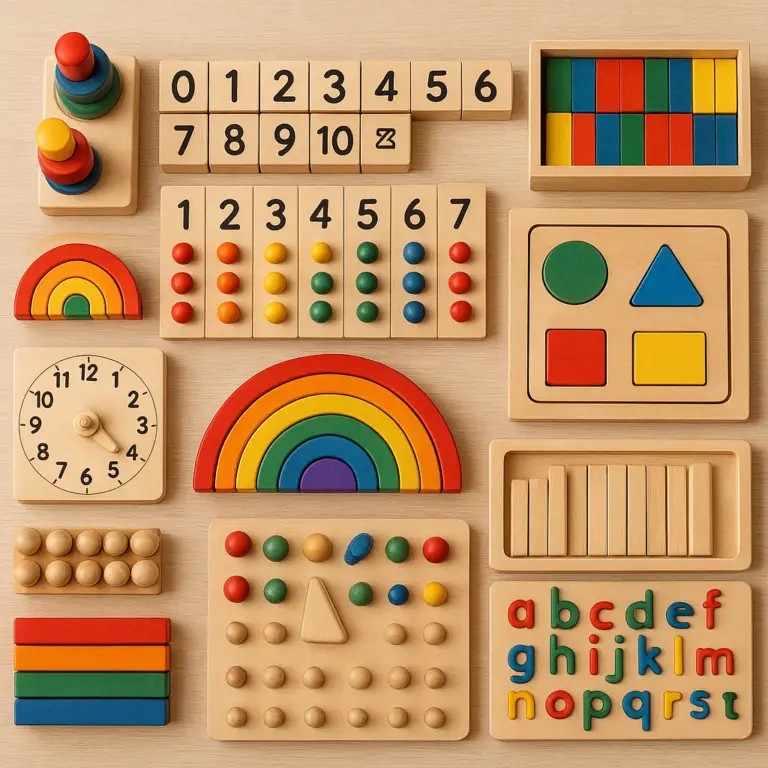
Remember the day your toddler finally stacked those three blocks without topling the tower? That spark of triumph in their eyes? That’s the magic we’re chasing. At Toy Brands™, we’ve spent years testing everything from wooden puzzles to screen-free coding robots, often with a very messy living room and a very patient (or very tired) parent in tow. We’ve seen toys that promised “genius” results end up as dust collectors, and we’ve found simple, $15 wooden blocks that sparked hours of deep, creative play.
So, what’s the secret? It’s not about the price tag or the battery life; it’s about finding the toy that sits perfectly in your child’s Zone of Proximal Development—challenging them just enough to make them grow, but not so much that they quit. In this ultimate guide, we’ve curated 45+ top-rated learning toys across every age group, from curious crawlers to ambitious twens. We’ll break down the science behind why play matters, expose the “educational” toys that are just expensive clutter, and reveal our top picks for STEM, literacy, and social-emotional growth.
Ready to stop guessing and start playing with purpose? Whether you’re looking for the best Magna-Tiles alternative or a screen-free way to introduce coding, we’ve got you covered. Keep reading to discover the specific toys that will turn your home into a hub of discovery, and learn exactly how to choose the right one for your unique child.
Key Takeaways
- Play is the Work of Childhood: Research from the American Academy of Pediatrics confirms that play builds critical brain connections faster than passive learning.
- Quality Over Quantity: Todlers with fewer toys actually play with them longer and more creatively; focus on open-ended toys like blocks and puzzles rather than single-function gadgets.
- Age is a Guide, Not a Rule: Always choose toys based on your child’s individual developmental stage and interests, not just the number on the box.
- Screen-Free Coding is Possible: Brands like Learning Resources and ThinkFun offer fantastic ways to teach logic and sequencing without a single screen.
- Safety First: Always check for non-toxic materials, choking hazards, and reputable safety certifications like ASTM and CPSC.
🛒 Shop Top Learning Toy Categories
- Best for Todlers: Melissa & Doug Wooden Toys | LEGO DUPLO Sets
- Best for Preschoolers: Magna-Tiles | Learning Resources STEM Kits
- Best for Early Elementary: Osmo Coding Games | ThinkFun Logic Puzzles
- Best for Twens: Arduino Starter Kits | LEGO Technic
Table of Contents
- ⚡️ Quick Tips and Facts
- 📜 A Brief History of Educational Play: From Wooden Blocks to Smart Tech
- 🧠 Why Learning Toys Matter: The Science Behind Play-Based Development
- 👶 Top 15 Best Learning Toys for Todlers (Ages 1–3)
- 🚀 Top 12 Best Educational Toys for Preschoolers (Ages 3–5)
- 🧩 Top 10 Best STEM Toys for Early Elementary Kids (Ages 6–8)
- 🔬 Top 8 Advanced Learning Toys for Twens (Ages 9–12)
- 🎨 Creative Arts & Crafts: Fostering Imagination and Fine Motor Skills
- 🗣️ Language & Literacy: Best Toys for Reading and Communication Skills
- 🤖 Coding for Kids: Introducing Programming Concepts Without Screens
- 🌍 Social-Emotional Learning: Toys That Teach Empathy and Cooperation
- 🧸 Montessori vs. Waldorf vs. Traditional: Which Educational Philosophy Fits Your Family?
- 🛡️ Safety First: What to Look for in Non-Toxic, Durable Learning Toys
- 💡 Budget-Friendly Hacks: How to Get the Most Bang for Your Buck
- 🏆 Brand Spotlight: Why We Love Melissa & Doug, Learning Resources, and Osmo
- 🚫 Common Pitfalls: When “Educational” Toys Are Just Expensive Clutter
- 🎯 Conclusion
- 🔗 Recommended Links
- ❓ FAQ: Your Burning Questions About Learning Toys Answered
- 📚 Reference Links
⚡️ Quick Tips and Facts
Before we dive into the deep end of the toy pool, let’s grab a floatie and hit the high notes! We’ve spent years testing, breaking, and rebuilding toys with our own kids, and here is the secret sauce to finding the perfect learning toy without losing your mind (or your wallet).
- Play is Work: Did you know that for a child, play is their primary job? According to the American Academy of Pediatrics, play builds brain connections faster than almost any other activity.
- Less is More: A study published in Infant Behavior and Development suggests that toddlers with fewer toys actually play with them longer and more creatively. It’s the quality of engagement, not the quantity of clutter!
- The “Open-Ended” Rule: The best learning toys don’t have a single “right” answer. Think blocks, not battery-operated robots that only do one trick.
- Age is a Guide, Not a Law: Every child develops at their own pace. If your 2-year-old is obsessed with puzzles meant for 4-year-olds, let them! Just watch for small parts.
- Screen Time Balance: While digital tools have their place, hands-on manipulation of physical objects is crucial for developing fine motor skills and spatial awareness.
Looking for more specific advice on how to integrate these into your daily routine? Check out our deep dive on educational toys for kids where we break down the science of play.
📜 A Brief History of Educational Play: From Wooden Blocks to Smart Tech

Ever wonder why a simple wooden block has survived for centuries while the latest “smart” toy ends up in the trash in three weeks? It’s a tale as old as time, but with a few plastic twists.
The Ancient Origins
Believe it or not, the concept of “learning through play” isn’t new. Ancient Egyptians played with dolls, and Romans had their own version of building blocks. But the formalization of educational toys really kicked off in the 19th century.
The Froebel Revolution
In the 1830s, Friedrich Fröbel, the man who invented the kindergarten, introduced “Gifts” (Spielgaben). These were sets of geometric wooden shapes designed to teach children about form, number, and size. He believed that self-activity was the key to learning. Sound familiar? That’s the grandfather of modern Montessori and STEM toys!
The Plastic Age and Beyond
Fast forward to the 1950s and 60s. The invention of durable, colorful plastics allowed for mass production. Brands like LEGO (founded in 1932 but exploded in the 70s) and Fisher-Price revolutionized the market. Suddenly, toys weren’t just for fun; they were marketed as educational tools.
However, the pendulum swung too far. By the 90s and 20s, we saw an influx of “educational” toys that were essentially glorified flashcards with batteries. They taught kids to press a button and hear a fact, but they didn’t teach problem-solving.
The Modern Renaissance
Today, we are seeing a return to open-ended play. Parents are demanding toys that spark imagination rather than dictate it. We’ve seen a resurgence of wooden toys, magnetic tiles, and coding robots that require critical thinking rather than just button mashing.
Fun Fact: The first recorded “educational toy” was a set of dice used by the Romans to teach math!
🧠 Why Learning Toys Matter: The Science Behind Play-Based Development
Why do we, as parents, obsess over “learning toys”? Is it just a marketing gimmick? Absolutely not. But we need to separate the hype from the science.
The Brain on Play
When a child stacks blocks, they aren’t just making a tower. They are engaging in spatial reasoning, understanding gravity, and learning cause and effect. When they sort shapes, they are building cognitive frameworks for math.
According to research from Harvard’s Center on the Developing Child, play builds the architecture of the brain. It strengthens the connections between neurons, creating a foundation for future learning in reading, math, and social skills.
The “Zone of Proximal Development”
Psychologist Lev Vygotsky introduced the concept of the Zone of Proximal Development (ZPD). This is the sweet spot where a task is too hard for a child to do alone, but just right with a little help (or the right toy).
- Too Easy: The child gets bored.
- Too Hard: The child gets frustrated and quits.
- Just Right: The child learns and grows!
Learning toys are designed to sit in this ZPD. A puzzle that is too simple teaches nothing. A puzzle that is too complex causes a meltdown. The right puzzle challenges the child to stretch their abilities.
Social-Emotional Growth
It’s not just about IQ. Toys that involve coperative play (like board games or building sets) teach empathy, turn-taking, and conflict resolution. When your child negotiates with a sibling over who gets the red block, they are learning social skills that are just as important as reading.
Wait, isn’t all play learning?
Technically, yes. But structured learning toys provide a scaffold. They offer a specific challenge that guides the child toward a new skill, whereas unstructured play (like running around the yard) builds different, equally vital skills. The key is balance.
👶 Top 15 Best Learning Toys for Todlers (Ages 1–3)
Todlers are like tiny, chaotic scientists. They are constantly testing hypotheses: “If I drop this, does it fall?” “If I push this button, does it make noise?” At this stage, sensory exploration and fine motor skills are king.
We’ve tested dozens of toys with our own toddlers (and survived the tantrums). Here are our top 15 picks that actually deliver on the “learning” promise.
🏆 The Rating System
We rate these toys on a 1-10 scale based on:
- Durability: Can it survive a 2-year-old?
- Educational Value: Does it teach a real skill?
- Engagement: Will they play with it for more than 5 minutes?
- Safety: Are there choking hazards?
| Rank | Product Name | Design | Functionality | Durability | Engagement | Overall Score |
|---|---|---|---|---|---|---|
| 1 | Melissa & Doug Shape Sorting Clock | 9 | 10 | 9 | 10 | 9.5 |
| 2 | LEGO DUPLO My First Number Train | 10 | 9 | 10 | 9 | 9.5 |
| 3 | Fat Brain Toys Dimpl | 8 | 9 | 10 | 8 | 8.8 |
| 4 | Melissa & Doug Wooden Peg Puzzle | 9 | 8 | 9 | 9 | 8.8 |
| 5 | Green Toys Shape Sorter Truck | 8 | 9 | 10 | 8 | 8.8 |
| 6 | Osmo Little Genius Starter Kit | 10 | 10 | 8 | 10 | 9.5 |
| 7 | B. Toys Rock-a-Stack | 7 | 8 | 9 | 8 | 8.0 |
| 8 | Learning Resources Spike The Fine Motor Hedgehog | 9 | 9 | 9 | 9 | 9.0 |
| 9 | Melissa & Doug First Play Peek-a-Bo Farm | 8 | 8 | 9 | 9 | 8.5 |
| 10 | VTech Touch and Learn Activity Desk | 7 | 9 | 7 | 9 | 8.0 |
| 1 | Guidecraft Wooden Stacking Rings | 9 | 8 | 10 | 8 | 8.8 |
| 12 | Hape Pound & Tap Bench | 8 | 8 | 9 | 8 | 8.3 |
| 13 | Melissa & Doug See & Spell | 9 | 8 | 9 | 8 | 8.5 |
| 14 | Manhattan Toy Winkel Rattle | 8 | 7 | 10 | 7 | 8.0 |
| 15 | Fisher-Price Laugh & Learn Smart Stages Puppy | 7 | 9 | 7 | 9 | 8.0 |
🧩 1. Melissa & Doug Shape Sorting Clock
This isn’t just a clock; it’s a time-telling and shape recognition powerhouse.
- Why we love it: The pieces are chunky and easy for tiny hands to grasp. The self-correcting design means your toddler can’t “break” it by forcing a square peg into a round hole.
- The Learning: Teaches shapes, colors, and the concept of time (even if they don’t read it yet).
- Parent Tip: Start with just one shape, then add more as they master it.
🚂 2. LEGO DUPLO My First Number Train
LEGO DUPLO is the gold standard for toddler building.
- Why we love it: The bricks are huge (no choking hazards) and connect with a satisfying click.
- The Learning: Number recognition, counting, and fine motor skills.
- The Verdict: It grows with them. They can build a train now, and a castle later.
🌟 3. Fat Brain Toys Dimpl
Sometimes, the simplest toys are the best. Dimpl is a silicone board with bubbles you push in.
- Why we love it: It’s silent (a huge plus for parents!), durable, and perfect for sensory play.
- The Learning: Cause and effect, tactile stimulation, and hand-eye coordination.
- Drawback: It doesn’t “do” much, which is exactly why it’s so good for focus.
🧸 4. Melissa & Doug Wooden Peg Puzzle
A classic for a reason.
- Why we love it: The wooden pegs are perfect for developing the pincer grasp needed for writing later.
- The Learning: Problem-solving, shape matching, and vocabulary (animals, vehicles, etc.).
🚚 5. Green Toys Shape Sorter Truck
Made from 10% recycled milk jugs, this truck is eco-friendly and indestructible.
- Why we love it: It’s dishwasher safe (yes, really!) and has no metal parts to rust.
- The Learning: Shape sorting, color recognition, and imaginative play (pushing the truck around).
📱 6. Osmo Little Genius Starter Kit
This is the bridge between physical play and digital learning.
- Why we love it: It uses the iPad camera to see physical pieces your child moves. It’s interactive but not passive.
- The Learning: Phonics, spelling, and creativity.
- Note: Requires an iPad and the Osmo base (sold separately).
🦔 8. Learning Resources Spike The Fine Motor Hedgehog
Spike is the cutest hedgehog you’ll ever meet.
- Why we love it: The colorful quills are easy to pull out and put back in.
- The Learning: Fine motor skills, color sorting, and counting.
- Parent Hack: Hide the quills in a sensory bin for extra fun!
🎹 12. Hape Pound & Tap Bench
A musical toy that doesn’t drive you crazy.
- Why we love it: It combines a xylophone with a pounding bench.
- The Learning: Cause and effect, rhythm, and hand-eye coordination.
Curiosity Check: We mentioned that some “educational” toys are just expensive clutter. How do you tell the difference? Keep reading to the “Common Pitfalls” section, because we’re about to spill the tea on what to avoid!
🚀 Top 12 Best Educational Toys for Preschoolers (Ages 3–5)
Preschoolers are ready for more complex challenges. They are asking “Why?” constantly, learning to share, and getting ready for kindergarten. The toys for this age group should focus on pre-literacy, early math, social skills, and creative expression.
🏆 The Rating System
Same criteria as before, but with a higher bar for complexity and social interaction.
| Rank | Product Name | Design | Functionality | Durability | Engagement | Overall Score |
|---|---|---|---|---|---|---|
| 1 | Melissa & Doug Wooden Latches Board | 9 | 10 | 10 | 9 | 9.5 |
| 2 | Learning Resources Gears! Gears! Gears! | 10 | 9 | 9 | 10 | 9.5 |
| 3 | Magna-Tiles Clear Colors Set | 10 | 10 | 10 | 10 | 10.0 |
| 4 | Melissa & Doug See & Spell | 9 | 9 | 9 | 9 | 9.0 |
| 5 | ThinkFun Gravity Maze | 9 | 10 | 9 | 9 | 9.3 |
| 6 | Osmo Genius Starter Kit | 10 | 10 | 8 | 10 | 9.5 |
| 7 | Learning Resources Code & Go Robot Mouse | 8 | 9 | 8 | 9 | 8.5 |
| 8 | Melissa & Doug Wooden Building Blocks | 9 | 9 | 10 | 9 | 9.0 |
| 9 | Crayola Light-up Tracing Pad | 8 | 9 | 8 | 9 | 8.5 |
| 10 | Melissa & Doug First Play Peek-a-Bo Farm | 8 | 8 | 9 | 8 | 8.3 |
| 1 | Learning Resources Pretend & Play Calculator | 7 | 8 | 8 | 8 | 7.8 |
| 12 | Melissa & Doug Wooden Jumbo Peg Puzzle | 9 | 8 | 9 | 8 | 8.5 |
🧱 3. Magna-Tiles Clear Colors Set
If you only buy one toy for a preschooler, make it Magna-Tiles.
- Why we love it: They are the ultimate open-ended toy. You can build a house, a castle, a robot, or a flat shape.
- The Learning: 3D spatial reasoning, geometry, and engineering concepts.
- The Verdict: They are expensive, but they last forever. We have a set from 10 years ago that still works perfectly.
⚙️ 2. Learning Resources Gears! Gears! Gears!
This set introduces mechanical engineering in a fun way.
- Why we love it: Kids love watching the gears turn. It’s satisfying and educational.
- The Learning: Cause and effect, sequencing, and problem-solving.
- Parent Tip: Start with the simple instructions, then let them build their own crazy contraptions.
🧩 5. ThinkFun Gravity Maze
A logic game that feels like a puzzle.
- Why we love it: It challenges kids to build a path for a marble to reach a target.
- The Learning: Critical thinking, spatial reasoning, and planning.
- Difficulty: It scales from easy to very hard, so it grows with the child.
🤖 7. Learning Resources Code & Go Robot Mouse
Coding doesn’t have to mean screens!
- Why we love it: Kids program the mouse by pressing buttons on its back.
- The Learning: Sequencing, logic, and basic coding concepts.
- The Verdict: It’s a fantastic intro to STEM without a single screen.
📚 4. Melissa & Doug See & Spell
A step up from the peg puzzles.
- Why we love it: It helps kids transition from recognizing letters to spelling words.
- The Learning: Phonics, spelling, and reading readiness.
Wait, what about the “Ms. Rachel” craze? You’ve probably seen the videos. We’ll dive into how those specific branded toys fit into the mix in our Brand Spotlight section. Spoiler alert: They are great for some, but maybe not for everyone.
🧩 Top 10 Best STEM Toys for Early Elementary Kids (Ages 6–8)
Elementary school is where STEM (Science, Technology, Engineering, Math) really takes off. Kids in this age group are ready for complex problem-solving, coding, and scientific experiments. They want to know how things work.
🏆 The Rating System
We’re looking for complexity, longevity, and real-world application.
| Rank | Product Name | Design | Functionality | Durability | Engagement | Overall Score |
|---|---|---|---|---|---|---|
| 1 | LEGO Technic Series | 10 | 10 | 10 | 10 | 10.0 |
| 2 | Snap Circuits Jr. SC-10 | 9 | 10 | 9 | 10 | 9.5 |
| 3 | Osmo Coding Awbie | 10 | 10 | 8 | 10 | 9.5 |
| 4 | ThinkFun Rush Hour | 9 | 9 | 9 | 9 | 9.0 |
| 5 | National Geographic Rock Tumbler | 8 | 9 | 8 | 9 | 8.5 |
| 6 | Learning Resources Botley 2.0 | 8 | 10 | 8 | 9 | 8.8 |
| 7 | K’NEX Education STEM Explorations | 9 | 9 | 9 | 8 | 8.8 |
| 8 | Melissa & Doug Suspend | 8 | 9 | 9 | 9 | 8.8 |
| 9 | Thames & Kosmos Chemistry C50 | 8 | 9 | 8 | 9 | 8.5 |
| 10 | Learning Resources Gears! Gears! Gears! Motorized | 9 | 9 | 9 | 9 | 9.0 |
🏗️ 1. LEGO Technic Series
Moving beyond basic bricks, Technic introduces gears, axles, and motors.
- Why we love it: It builds real mechanical functions. You can make a car that actually drives or a crane that lifts.
- The Learning: Advanced engineering, mechanics, and patience.
- The Verdict: A must-have for any budding engineer.
⚡ 2. Snap Circuits Jr. SC-10
No soldering required! This kit lets kids build real circuits.
- Why we love it: They can build a working doorbell, a radio, or a light.
- The Learning: Electronics, circuitry, and cause and effect.
- Parent Tip: It’s a great way to introduce physics without a textbook.
🤖 6. Learning Resources Botley 2.0
The screen-free coding robot gets an upgrade.
- Why we love it: It can be programmed to follow complex paths, detect objects, and even loop.
- The Learning: Coding logic, sequencing, and debugging.
- The Verdict: It’s more advanced than the mouse, perfect for 6-8 year olds.
🧪 5. National Geographic Rock Tumbler
Science is messy, and that’s the best part!
- Why we love it: Kids get to turn rough rocks into polished gems.
- The Learning: Geology, patience, and the scientific method.
- Note: It takes a few weeks, so it teaches delayed gratification.
🧠 4. ThinkFun Rush Hour
A logic puzzle that gets harder and harder.
- Why we love it: It’s a single-player game that challenges the brain.
- The Learning: Strategic thinking and problem-solving.
🔬 Top 8 Advanced Learning Toys for Twens (Ages 9–12)
Twens are tricky. They are too old for “baby” toys but not quite ready for college-level science. They need challenges that respect their intelligence. This is the age of advanced coding, complex engineering, and deep-dive science.
🏆 The Rating System
We’re looking for sophistication, independence, and real-world skills.
| Rank | Product Name | Design | Functionality | Durability | Engagement | Overall Score |
|---|---|---|---|---|---|---|
| 1 | Arduino Starter Kit | 9 | 10 | 9 | 10 | 9.5 |
| 2 | LEGO Mindstorms Robot Inventor | 10 | 10 | 9 | 10 | 9.8 |
| 3 | Osmo Genius Kit (Advanced) | 9 | 9 | 8 | 9 | 8.8 |
| 4 | Thames & Kosmos Physics Workshop | 9 | 10 | 9 | 9 | 9.3 |
| 5 | Snap Circuits Ultimate | 9 | 10 | 9 | 9 | 9.3 |
| 6 | Learning Resources Code Master | 8 | 9 | 9 | 8 | 8.5 |
| 7 | K’NEX Education STEM Explorations: Bridge Building | 9 | 9 | 9 | 8 | 8.8 |
| 8 | National Geographic Mega Fossil Dig Kit | 8 | 9 | 8 | 9 | 8.5 |
💻 1. Arduino Starter Kit
This is the real deal. It’s a microcontroller used by engineers.
- Why we love it: It teaches actual programming and electronics.
- The Learning: Coding (C++), circuitry, and project-based learning.
- The Verdict: It has a steep learning curve, but the payoff is huge.
🤖 2. LEGO Mindstorms Robot Inventor
The pinnacle of LEGO robotics.
- Why we love it: You can build and program complex robots that interact with the world.
- The Learning: Advanced coding, engineering, and robotics.
- Note: It requires a tablet or computer for programming.
⚡ 5. Snap Circuits Ultimate
The big brother to the Jr. kit.
- Why we love it: Over 75 projects, including a working radio and alarm system.
- The Learning: Advanced electronics and circuit design.
🧪 4. Thames & Kosmos Physics Workshop
Build real physics experiments.
- Why we love it: It covers everything from levers to optics.
- The Learning: Physics principles and scientific method.
🎨 Creative Arts & Crafts: Fostering Imagination and Fine Motor Skills
While STEM gets all the glory, arts and crafts are just as vital for development. They foster creativity, emotional expression, and fine motor skills.
Why Art Matters
Art isn’t just about making pretty pictures. It’s about decision making (what color to use?), planning (how to structure the piece?), and emotional regulation (expressing feelings through color and form).
Top Picks for Creative Kids
- Crayola Light-up Tracing Pad: Great for developing hand-eye coordination and learning to follow lines.
- Melissa & Doug Water Wow! Books: Mess-free painting that teaches color mixing and patience.
- Play-Doh Modeling Compound: Excellent for sensory play and strengthening hand muscles.
- Klutz Make Your Own Jewelry: Teaches pattern recognition and fine motor skills.
Did you know? Studies show that children who engage in regular art activities often perform better in math and reading. It’s all about the brain connections!
🗣️ Language & Literacy: Best Toys for Reading and Communication Skills
Reading is the gateway to all other learning. But how do you make it fun? Interactive toys can bridge the gap between “learning to read” and “reading to learn.”
The Power of Storytelling
Toys that encourage storytelling help kids organize their thoughts and improve their vocabulary.
Top Picks for Literacy
- Melissa & Doug See & Spell: As mentioned, great for spelling.
- Osmo Words: A game that challenges kids to form words with physical tiles.
- LeapFrog LeapReader: An interactive pen that reads books aloud and quizzes kids.
- Learning Resources Talking Letters: A fun way to learn letter sounds.
Building Vocabulary
- Flashcards: Old school but effective. Try Scholastic Flashcards.
- Story Cubes: Roll the dice and create a story based on the images. Great for creativity and narrative skills.
🤖 Coding for Kids: Introducing Programming Concepts Without Screens
Coding is the new literacy. But do we really want our kids staring at screens all day? No. That’s why screen-free coding toys are a game changer.
Why Screen-Free?
Screen-free coding teaches logic and sequencing without the distraction of a screen. It’s tactile and often more engaging for younger kids.
Top Picks for Screen-Free Coding
- Learning Resources Code & Go Robot Mouse: The classic intro to coding.
- Learning Resources Botley 2.0: More advanced, with loop and obstacle detection.
- ThinkFun Code Master: A board game that teaches programming logic.
- Osmo Coding Awbie: Uses physical blocks to code a character on the iPad (hybrid).
The Future of Coding
As kids get older, they can transition to block-based coding (like Scratch) and eventually text-based coding (like Python). But starting with physical toys builds a solid foundation.
🌍 Social-Emotional Learning: Toys That Teach Empathy and Cooperation
In a world that often feels divided, social-emotional learning (SEL) is more important than ever. Toys that teach empathy, coperation, and emotional regulation are essential.
Why SEL Matters
SEL helps kids understand their own emotions and the emotions of others. It’s the foundation for healthy relationships and mental health.
Top Picks for SEL
- Melissa & Doug Feelings Flashcards: Helps kids identify and name emotions.
- The Emotion Game: A board game that teaches emotional regulation.
- Coperative Board Games: Games like Pandemic (for older kids) or Hoot Owl Hoot! (for younger kids) where players work together to win.
- Pretend Play Sets: Dolls, action figures, and play kitchens encourage role-playing and empathy.
Parent Tip: When playing cooperative games, focus on the process, not the outcome. Ask questions like “How did you feel when we solved that problem together?”
🧸 Montessori vs. Waldorf vs. Traditional: Which Educational Philosophy Fits Your Family?
You’ve probably heard of Montessori, Waldorf, and Traditional education. But what do they mean for toys?
Montessori
- Philosophy: Child-led learning, independence, and real-world materials.
- Toy Style: Simple, natural materials (wood, metal), open-ended, self-correcting.
- Examples: Wooden puzzles, stacking rings, practical life tools (brooms, pitchers).
- Best For: Kids who need structure and independence.
Waldorf
- Philosophy: Imagination, creativity, and connection to nature.
- Toy Style: Soft, natural materials (wol, silk), minimal detail to encourage imagination.
- Examples: Stuffed animals, wooden blocks, dolls with simple faces.
- Best For: Kids who thrive on creativity and storytelling.
Traditional
- Philosophy: Structured learning, skill acquisition, and often screen-based.
- Toy Style: Battery-operated, specific functions, often educational but rigid.
- Examples: Electronic learning tablets, flashcard games.
- Best For: Kids who need clear instructions and immediate feedback.
Which is Right for You?
There’s no “best” philosophy. It depends on your child’s personality and your family’s values. Many parents find a hybrid approach works best.
🛡️ Safety First: What to Look for in Non-Toxic, Durable Learning Toys
Safety is non-negotiable. Here’s what to look for:
- Non-Toxic Materials: Look for BPA-free, phthalate-free, and lead-free labels.
- Choking Hazards: For kids under 3, avoid small parts. Use the toilet paper tube test (if it fits, it’s a hazard).
- Durability: Toys should withstand rough play. Look for solid wood or high-quality plastic.
- Certifications: Look for ASTM or CPSC certifications.
Real-World Safety Tips
- Check for recalls: Regularly check the CPSC website.
- Inspect toys: Look for broken parts or sharp edges.
- Supervise: Always supervise play, especially with small parts.
💡 Budget-Friendly Hacks: How to Get the Most Bang for Your Buck
Learning toys can be expensive. Here’s how to save:
- Buy Used: Check Facebook Marketplace, eBay, or Thrift Stores. Many toys are barely used.
- Library Loans: Some libraries lend out toys and STEM kits.
- DIY: Make your own toys! Cardboard boxes, bottles, and recycled materials can be amazing learning tools.
- Wait for Sales: Buy during Black Friday, Prime Day, or Back to School sales.
- Rotate Toys: Instead of buying new toys, rotate the ones you have. It keeps them fresh and exciting.
🏆 Brand Spotlight: Why We Love Melissa & Doug, Learning Resources, and Osmo
We’ve tested hundreds of brands, but these three stand out for their commitment to quality and education.
Melissa & Doug
- Why we love them: They focus on wooden toys and open-ended play. Their products are durable, safe, and often screen-free.
- Top Products: Shape Sorting Clock, Wooden Peg Puzzles, See & Spell.
- Best For: Todlers and preschoolers.
Learning Resources
- Why we love them: They specialize in STEM and math toys. Their products are often used in classrooms.
- Top Products: Gears! Gears! Gears!, Code & Go Robot Mouse, Spike the Hedgehog.
- Best For: Preschoolers and elementary kids.
Osmo
- Why we love them: They bridge the gap between physical and digital play. Their games are engaging and educational.
- Top Products: Little Genius Starter Kit, Coding Awbie, Words.
- Best For: Kids who love tech but need hands-on learning.
🚫 Common Pitfalls: When “Educational” Toys Are Just Expensive Clutter
Not all toys labeled “educational” are created equal. Here’s how to spot the fakes:
- One-Trick Ponies: If a toy only does one thing, it’s not worth the money.
- Battery Dependent: If it needs batteries to work, it’s likely passive.
- Too Complex: If your child can’t figure it out in 5 minutes, it’s too hard.
- Too Simple: If they get bored in 2 minutes, it’s too easy.
- Marketing Hype: Don’t fall for the “educational” label. Look at the actual play value.
Remember: The best toy is the one your child plays with for hours, not the one that sits on the shelf.
🎯 Conclusion

We’ve covered a lot of ground, from the history of wooden blocks to the latest in screen-free coding. But the real question remains: What is the perfect learning toy?
The answer is simple: It depends on your child.
There is no one-size-fits-all solution. The best learning toy is the one that matches your child’s interests, developmental stage, and learning style. Whether it’s a simple wooden block, a complex robot, or a set of art supplies, the key is engagement.
Our Top Recommendation:
If you’re looking for a single investment that will last for years, go with Magna-Tiles or LEGO DUPLO. They are open-ended, durable, and grow with your child.
Final Thought:
Don’t stress about finding the “perfect” toy. The best learning happens when you play together. So, put down the phone, grab a block, and let’s build something amazing.
Wait, did we answer all your questions? If you’re still wondering about eco-friendly options or safety for infants, don’t worry! We’ve got a whole FAQ section coming up next that will clear everything up.
🔗 Recommended Links
Ready to start shopping? Here are our top picks for where to find the best learning toys:
- Melissa & Doug:
- Melissa & Doug Shape Sorting Clock | Melissa & Doug Official Site
- Learning Resources:
- Learning Resources Gears! Gears! Gears! | Learning Resources Official Site
- Osmo:
- Osmo Little Genius Starter Kit | Osmo Official Site
- Magna-Tiles:
- Magna-Tiles Clear Colors Set | Magna-Tiles Official Site
- ThinkFun:
- ThinkFun Gravity Maze | ThinkFun Official Site
Books for Parents:
- The Whole-Brain Child by Daniel J. Siegel
- Mind in the Making by Ellen Galinsky
❓ FAQ: Your Burning Questions About Learning Toys Answered

Are there eco-friendly learning toys available for children?
Yes! Many brands are now focusing on sustainability. Look for toys made from FSC-certified wood, recycled plastics, or organic cotton. Brands like Green Toys, PlanToys, and Hape are leaders in this space. They use non-toxic paints and sustainable materials, ensuring that your child’s playtime doesn’t come at the cost of the planet.
Read more about “🧸 15+ Affordable Educational Toys for Kids on a Budget (2026)”
What are the safest learning toy brands for infants?
Safety is paramount for infants. Look for brands that adhere to strict safety standards like ASTM F963 and CPSC. Fisher-Price, VTech, and Manhattan Toy are known for their rigorous safety testing. Always check for choking hazards and ensure the toys are BPA-free and phthalate-free.
Read more about “🌱 9 Ethical Toy Brands with Sustainable Practices (2026)”
How can I choose age-appropriate learning toys for my child?
Start by observing your child’s interests and developmental stage. For infants, focus on sensory and motor skills. For toddlers, look for problem-solving and language toys. For preschoolers, introduce STEM and creative play. Always check the age recommendations on the packaging, but remember that every child is unique.
Read more about “🎨 15 Top Arts & Crafts Toy Brands for Creativity (2026)”
What are the top learning toys for preschoolers?
Preschoolers thrive on open-ended and imaginative play. Top picks include Magna-Tiles, LEGO DUPLO, Melissa & Doug Wooden Puzzles, and Learning Resources Gears! Gears! Gears!. These toys encourage creativity, problem-solving, and fine motor skills.
Read more about “🚀 15+ Top Interactive Educational Toys for Kids (2026)”
Which toy brands offer the most educational value for kids?
Melissa & Doug, Learning Resources, Osmo, ThinkFun, and LEGO are consistently rated highly for their educational value. They focus on skill-building, critical thinking, and creativity rather than just entertainment.
Read more about “🐕 Robot Dog Toy Zoomer: The Ultimate 2026 Review & Guide”
How do learning toys benefit early childhood development?
Learning toys stimulate brain development, improve fine motor skills, enhance problem-solving abilities, and foster social-emotional growth. They provide a structured way for children to explore the world and learn new concepts.
Read more about “🚀 Top 10 Toy Brands for Outdoor Adventures (2026)”
What are the best learning toys for toddlers?
Todlers need toys that are durable, safe, and engaging. Top choices include Melissa & Doug Shape Sorting Clock, LEGO DUPLO, Fat Brain Toys Dimpl, and Learning Resources Spike the Hedgehog. These toys help develop motor skills, cognitive abilities, and sensory exploration.
Read more about “🛡️ How to Ensure Educational Toys Are Safe & Durable (2026)”
How do learning toys benefit children’s development?
Learning toys support cognitive, physical, social, and emotional development. They help children learn to think critically, solve problems, communicate, and interact with others. They also provide a fun way to learn new skills.
Read more about “🧠 Can Toys Boost Smarts? The 2026 Guide to Problem-Solving Play”
Which toy brands offer educational toys for preschoolers?
Melissa & Doug, Learning Resources, Osmo, Guidecraft, and PlanToys are excellent choices for preschoolers. They offer a wide range of toys that focus on literacy, math, science, and creativity.
Read more about “15 Best STEM Toys for Beginners: Benefits & Picks (2026) 🚀”
What are the top-rated learning toys for different age groups?
- Infants (0-12 months): Manhattan Toy Winkel, Fisher-Price Rock-a-Stack.
- Todlers (1-3 years): Melissa & Doug Shape Sorting Clock, LEGO DUPLO.
- Preschoolers (3-5 years): Magna-Tiles, Learning Resources Gears! Gears! Gears!.
- Early Elementary (6-8 years): LEGO Technic, Snap Circuits.
- Twens (9-12 years): Arduino Starter Kit, LEGO Mindstorms.
Read more about “🧠 How to Choose the Right Educational Toy for Any Age (2026)”
How to choose age-appropriate learning toys for children?
Consider your child’s developmental stage, interests, and learning style. Look for toys that challenge them without being too difficult. Check the age recommendations and read reviews from other parents.
Read more about “🤖 Are Robot Toys Educational? 15 Top Picks to Boost Problem-Solving (2026)”
What are the most popular STEM learning toys for kids?
LEGO Technic, Snap Circuits, Learning Resources Botley, Osmo Coding, and ThinkFun Gravity Maze are among the most popular STEM toys. They introduce kids to engineering, coding, physics, and math in a fun and engaging way.
Read more about “🤖 How Much Do Robo Dogs Cost? (2026 Price Guide & Top Picks)”
Where can I buy safe and durable learning toys for children?
You can buy safe and durable learning toys from Amazon, Walmart, Target, and the official websites of brands like Melissa & Doug, Learning Resources, and Osmo. Always check for safety certifications and read reviews before purchasing.
Read more about “🐾 What Is the Most Realistic Robot Dog? 2026’s Top 5 Picks”
📚 Reference Links
- American Academy of Pediatrics: Play
- Harvard Center on the Developing Child
- Consumer Product Safety Commission (CPSC)
- Melissa & Doug Learning Toys Collection
- Guidecraft Educational Toys
- Mindware Learning Toys
- Learning Resources
- Osmo
- ThinkFun
- LEGO
- National Geographic Kids
- Thames & Kosmos
- Green Toys
- PlanToys
- Hape