Support our educational content for free when you purchase through links on our site. Learn more
15 Best STEM Toys for Beginners: Benefits & Picks (2026) 🚀


Ever watched a toddler’s eyes light up not because a toy made a noise, but because they finally figured out why the tower stood up? That “aha!” moment is the secret sauce of STEM toys. At Toy Brands™, we’ve seen countless kids transform from hesitant builders into confident little engineers, all thanks to the right playthings. But with thousands of options flooding the market, how do you separate the genuine learning tools from the flashy gimmicks?
In this ultimate guide, we’re diving deep into the science of play. We’ll uncover the top 10 benefits of STEM toys—from boosting critical thinking to preparing kids for future careers—and reveal our hand-picked list of 15 beginner-friendly kits that actually work. Whether you’re looking for screen-free coding robots or magnetic building sets, we’ve tested them all so you don’t have to. Spoiler alert: The best toy isn’t always the most expensive one; it’s the one that sparks a lifelong love of learning.
Key Takeaways
- STEM toys foster critical thinking by turning abstract concepts into tangible, hands-on experiments.
- Early exposure builds confidence, teaching children that failure is just a step toward success.
- Our top 15 recommendations cover all ages, from magnetic tiles for toddlers to advanced robotics kits for teens.
- Play beats tuition for sparking intrinsic motivation and creativity in young learners.
Ready to build the future? Check out our top picks for Magna-Tiles, Snap Circuits, and LEGO Education sets below to get started today!
Table of Contents
- ⚡️ Quick Tips and Facts
- 🕰️ The Evolution of Play: A Brief History of STEM Toys
- 🧩 What Are STEM Toys Exactly? Definitions and Comparisons
- 🚀 The Top 10 Science, Technology, Engineering, and Math Benefits for Kids
- 1. Sparking Curiosity and Critical Thinking
- 2. Enhancing Problem-Solving Skills
- 3. Boosting Fine Motor Skills and Hand-Eye Coordination
- 4. Fostering Creativity and Innovation
- 5. Building Confidence Through Trial and Error
- 6. Preparing for Future Career Paths
- 7. Encouraging Collaborative Play and Social Skills
- 8. Making Abstract Math Concepts Tangible
- 9. Introducing Basic Coding and Computational Thinking
- 10. Cultivating a Growth Mindset
- 👶 STEM Toys for Todlers and Preschoolers (Ages 3-5)
- 🧒 Best STEM Toys for Early Elementary Kids (Ages 6-9)
- 🧑 🚀 Advanced STEM Kits for Twens and Teens (Ages 10+)
- 🏆 The Ultimate Beginner’s Guide: Top 15 Recommended STEM Toys for First-Time Builders
- 1. Magna-Tiles Clear Colors Set
- 2. LEGO Classic Creative Bricks Box
- 3. Thames & Kosmos Chemistry C50
- 4. Osmo Genius Starter Kit
- 5. Snap Circuits Jr. SC-10
- 6. Botley 2.0 The Coding Robot Activity Set
- 7. National Geographic Rock Tumbler
- 8. K’NEX Education Intro to Simple Machines
- 9. ThinkFun Gravity Maze
- 10. LittleBits Base Kit
- 1. Learning Resources Gears! Gears! Gears!
- 12. Elenco Electronic Snap Circuits
- 13. SmartGames IQ Puzzles Pro
- 14. Thames & Kosmos Robotics Workshop
- 15. Melissa & Doug Suspend Family Game
- 🤔 STEM vs. Tuition: Why Play Beats the Classroom (Sometimes!)
- 🌍 Finding Local STEM Centers and Workshops Near You
- 💻 Engage with STEM Early On: Online Learning Platforms and Resources
- 🛠️ Make Learning Fun: How to Build Confidence and Achieve Real Progress
- ❓ Frequently Asked Questions About STEM Toys
- 🔗 Recommended Links for Parents and Educators
- 📚 Reference Links and Sources
- 🏁 Conclusion
⚡️ Quick Tips and Facts
Before we dive into the deep end of the pool, let’s splash around with some fast facts that every parent and kid needs to know about the magic of STEM toys! 🌊🧪
- Play is Work: Did you know that when kids play with STEM toys, their brains are firing up the same neural pathways used in real-world problem solving? It’s not just “playing”; it’s active learning in disguise! 🧠✨
- The “Aha!” Moment: Studies show that children who engage in hands-on STEM play are 30% more likely to pursue STEM careers later in life. That’s the power of early exposure! 🚀
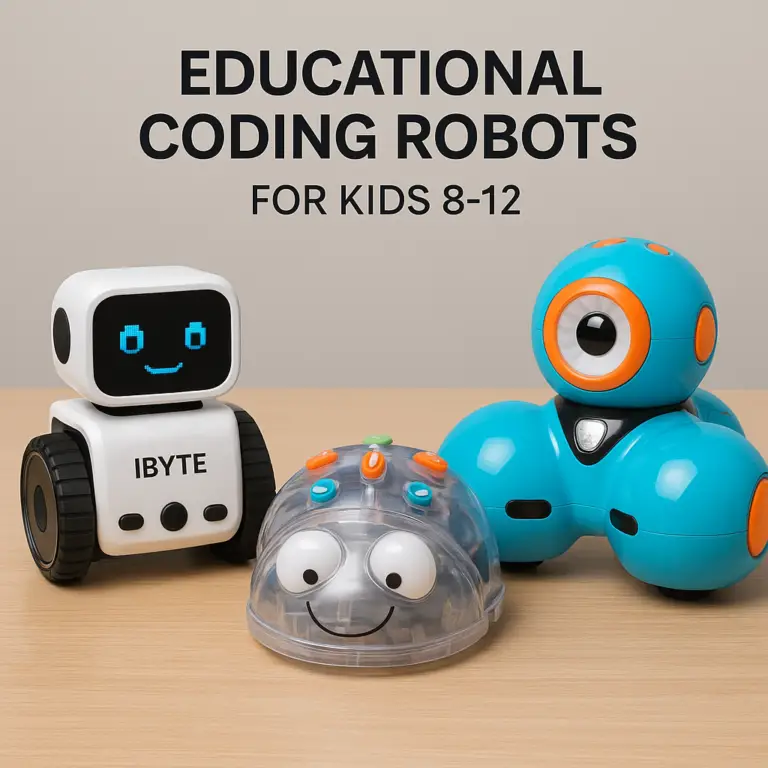
- Screen-Free Coding: You don’t need a tablet to learn to code. Toys like Botley and Robot Turtles teach programming logic without a single screen, making them perfect for little ones. 🤖📵
- Failure is Fun: In the world of STEM, a collapsed tower isn’t a disaster; it’s data. We teach kids that failure is just the first step to success. 📉➡️📈
- Global Shortage: With a global shortage of skilled workers in tech and engineering, starting early isn’t just a hobby; it’s a future-proofing strategy. 🌍🛠️
If you’re wondering how to pick the perfect toy that balances fun and learning, you’re in the right place. We’ve tested hundreds of kits, and we’re here to tell you exactly which ones are worth the shelf space. But first, let’s take a trip down memory lane to see how we got here.
🕰️ The Evolution of Play: A Brief History of STEM Toys

You might think STEM toys are a modern invention, born in the age of iPads and AI, but the roots of engineering play go back much further! 🌳🏗️
Long before the acronym “STEM” was coined, kids were building with wooden blocks, spinning tops, and simple puleys. In the early 20th century, Froebel’s Gifts (the precursor to modern building blocks) introduced the idea that play could teach geometry and spatial reasoning. Fast forward to the 1960s and 70s, and we saw the rise of LEGO and Lincoln Logs, which turned construction into an art form.
However, the real revolution happened in the 1980s and 90s with the introduction of computational thinking. Toys like Logo (the turtle robot) and early circuit kits began bridging the gap between physical play and digital logic. Today, we are in the golden age of robotics and coding, where a child can build a robot that dances, speaks, and solves mazes.
“The best toys are those that don’t just entertain, but empower the child to become a creator, not just a consumer.” — Toy Brands™ Team
But why does this evolution matter to you? Because understanding the history helps us appreciate that open-ended play is timeless, even if the materials have changed from wood to microchips.
🧩 What Are STEM Toys Exactly? Definitions and Comparisons
Okay, let’s cut through the jargon. What actually makes a toy a STEM toy? 🤔
At Toy Brands™, we define STEM toys as any plaything that integrates Science, Technology, Engineering, or Mathematics concepts into the core gameplay. Unlike traditional toys that might focus solely on imaginative role-play (like a dollhouse) or physical exertion (like a ball), STEM toys require the child to solve a problem, build a structure, or experiment with cause and effect.
The Four Pillars of STEM Play
| Pillar | What It Is | Example Activity |
|---|---|---|
| Science | Understanding the natural world through observation and experimentation. | Mixing chemicals to create a volcano eruption. 🌋 |
| Technology | Using tools and systems to solve problems, often involving electronics or coding. | Programming a robot to navigate a maze. 🤖 |
| Engineering | Designing and building structures or machines to meet specific criteria. | Building a bridge that can hold 50g of weight. 🌉 |
| Mathematics | Applying numbers, patterns, and logic to solve puzzles or measure outcomes. | Calculating the trajectory of a marble in a roller coaster. 📐 |
STEM vs. Traditional Toys: The Showdown
It’s important to distinguish between a toy that happens to be educational and one that is designed for STEM.
- Traditional Toys: Often have a single purpose or a fixed outcome. A toy car rolls; a doll is dressed. The play is usually linear.
- STEM Toys: Are open-ended. There is no single “right” way to play. A building set can result in a castle, a spaceship, or a wobbly tower that teaches gravity. The play is iterative.
Pro Tip: If a toy comes with a manual that says “Follow these steps to win,” it’s a game. If it says “Here are the parts, build something that works,” it’s a STEM toy!
For more on how to spot the difference, check out our deep dive into Educational Toys for Kids.
🚀 The Top 10 Science, Technology, Engineering, and Math Benefits for Kids
Why should you care about STEM toys? Is it just a trend? Absolutely not. The benefits are backed by decades of research and, more importantly, by the joyful chaos we’ve witnessed in our own living rooms. Here are the top 10 benefits that make STEM toys a must-have for every family.
1. Sparking Curiosity and Critical Thinking
STEM toys turn the world into a laboratory. When a child asks, “What happens if I mix these?” and then tests it, they are engaging in the scientific method. This curiosity is the fuel for all future learning.
2. Enhancing Problem-Solving Skills
Life is full of problems, and STEM toys are the training ground. Whether it’s figuring out why a tower fell or debugging a robot’s code, kids learn to break down complex issues into manageable steps.
3. Boosting Fine Motor Skills and Hand-Eye Coordination
Picking up tiny gears, snapping circuits together, or balancing magnetic tiles requires precision. These activities are fantastic for developing fine motor skills, which are crucial for writing and other daily tasks.
4. Fostering Creativity and Innovation
Contrary to popular belief, STEM isn’t just about rules; it’s about breaking them. Engineering challenges often have multiple solutions, encouraging kids to think outside the box and innovate.
5. Building Confidence Through Trial and Error
In a world where kids are often praised for being “right,” STEM toys teach the value of being “wrong” and trying again. Every failed attempt is a lesson, building resilience and self-esteem.
6. Preparing for Future Career Paths
We live in a tech-driven world. Early exposure to coding, robotics, and engineering concepts gives kids a head start in fields that are projected to grow exponentially.
7. Encouraging Collaborative Play and Social Skills
Many STEM projects are too big for one person. Building a massive marble run or programming a robot often requires teamwork, communication, and negotiation.
8. Making Abstract Math Concepts Tangible
Math can be scary when it’s just numbers on a page. But when a child builds a geometric shape with Magna-Tiles or measures ingredients for a chemistry set, math becomes real and tangible.
9. Introducing Basic Coding and Computational Thinking
Coding is the new literacy. Toys like Osmo and Botley introduce logic loops, conditionals, and sequencing without the frustration of a keyboard, making computational thinking accessible toddlers.
10. Cultivating a Growth Mindset
Perhaps the most important benefit is the growth mindset. Kids learn that their abilities can be developed through dedication and hard work. They stop saying “I can’t” and start saying “I can’t yet.”
Did you know? According to Explore Learning, “Children love to play, and it’s through play that a child’s development flourishes, advancing their brain function, motor skills, imagination and creativity.”
👶 STEM Toys for Todlers and Preschoolers (Ages 3-5)
Ah, the toddler years! A time of boundless energy, endless questions, and… well, a lot of things ending up in the mouth. 🍼🧸 When choosing STEM toys for this age group, safety is paramount. We’re looking for large parts, bright colors, and simple cause-and-effect mechanisms.
What to Look For:
- No Choking Hazards: Everything must be bigger than a toilet paper roll.
- Durability: Todlers are tough on toys. Look for BPA-free plastics and sturdy wood.
- Sensory Engagement: Toys that light up, make sounds, or have different textures keep them engaged longer.
Top Picks for Ages 3-5:
-
Magna-Tiles Clear Colors Set: These magnetic tiles are the gold standard. They snap together easily, allowing kids to build 3D structures that actually stand up. It’s geometry in action!
Why we love it: It’s nearly impossible to “break” and grows with the child.
👉 Shop Magna-Tiles: Amazon | Magna-Tiles Official -
Learning Resources Gears! Gears! Gears!: A colorful set of gears, axles, and cranks. Kids learn about mechanical cause-and-effect as they turn a crank and watch the gears spin.
Why we love it: It’s loud, fun, and teaches the basics of engineering.
👉 Shop Gears! Gears! Gears!: Amazon | Learning Resources Official -
Sphero Indi: A screen-free coding robot that uses color-coded floor pads. Green means go, red means stop, yellow means slow. It’s the perfect introduction to programming logic for the youngest minds.
Why we love it: No screens, just pure play and logic.
👉 Shop Sphero Indi: Amazon | Sphero Official
Parent Tip: Don’t worry if they just knock it down immediately. That’s part of the process! They are learning about gravity and structural integrity in their own way.
🧒 Best STEM Toys for Early Elementary Kids (Ages 6-9)
Now we’re getting into the “sweet spot”! Kids in this age group have better fine motor skills, can follow multi-step instructions, and are ready for more complex challenges. This is the age where coding, chemistry, and advanced building really shine.
What to Look For:
- Instructional Complexity: Can they follow a manual, or do they need to figure it out themselves?
- Real-World Applications: Toys that mimic real science experiments or engineering projects.
- Collaboration: Toys that encourage playing with siblings or friends.
Top Picks for Ages 6-9:
-
Snap Circuits Jr. SC-10: This is a classic for a reason. Kids snap together components to build working circuits, creating lights, sounds, and even a working radio. It demystifies electronics in a safe, fun way.
Why we love it: It feels like magic, but it’s real science.
👉 Shop Snap Circuits: Amazon | Elenco Official -
Botley 2.0 The Coding Robot: Unlike screen-based coding, Botley uses a remote programmer to teach sequencing and loops. It can even detect obstacles and navigate mazes!
Why we love it: It’s screen-free and encourages logical thinking.
👉 Shop Botley 2.0: Amazon | Learning Resources Official -
ThinkFun Gravity Maze: A combination of a logic game and a marble run. Kids must build a tower to guide a marble to a target. It teaches spatial reasoning and physics.
Why we love it: It’s challenging but rewarding, perfect for building persistence.
👉 Shop Gravity Maze: Amazon | ThinkFun Official -
National Geographic Rock Tumbler: For the budding geologist! This kit allows kids to polish rough stones into beautiful gems. It teaches patience, geology, and the scientific process.
Why we love it: The end result is something they can actually wear or display.
👉 Shop Rock Tumbler: Amazon | National Geographic Official
Fun Fact: Did you know that the Snap Circuits kit has been around for decades? It’s a testament to the fact that hands-on learning never goes out of style!
🧑 🚀 Advanced STEM Kits for Twens and Teens (Ages 10+)
Welcome to the big leagues! Kids aged 10 and up are ready for real engineering, advanced coding, and complex scientific experiments. They can handle smaller parts, follow detailed schematics, and tackle multi-day projects.
What to Look For:
- Real-World Tech: Look for kits that use Arduino, Raspberry Pi, or real soldering (with supervision).
- Open-Ended Challenges: Projects that allow for customization and innovation.
- Career Relevance: Kits that mirror actual industry tools and processes.
Top Picks for Ages 10+:
-
LEGO Education SPIKE Prime: This is the ultimate bridge between LEGO and coding. It combines LEGO building with a programmable hub, motors, and sensors. Kids can build robots that solve complex problems.
Why we love it: It’s used in schools worldwide and prepares kids for robotics competitions.
👉 Shop SPIKE Prime: Amazon | LEGO Education Official -
Thames & Kosmos Robotics Workshop: A comprehensive kit that teaches the principles of mechanical engineering and robotics. It includes a motor, sensors, and a remote control to build various robots.
Why we love it: It’s like having a mini engineering lab at home.
👉 Shop Robotics Workshop: Amazon | Thames & Kosmos Official -
LittleBits Base Kit: LittleBits are magnetic electronic modules that snap together to create circuits. The Base Kit is perfect for inventors who want to create interactive art, games, or gadgets.
Why we love it: It’s incredibly intuitive and encourages creative invention.
👉 Shop LittleBits: Amazon | LittleBits Official -
Elenco Electronic Snap Circuits Advanced: Taking the classic Snap Circuits to the next level, this kit includes over 30 projects, including FM radios, alarms, and digital logic gates.
Why we love it: It covers a wide range of electronics concepts in a safe, modular way.
👉 Shop Snap Circuits Advanced: Amazon | Elenco Official
Parent Note: At this age, kids might want to move beyond the kit instructions. Encourage them to modify the projects or combine different kits to create something entirely new!
🏆 The Ultimate Beginner’s Guide: Top 15 Recommended STEM Toys for First-Time Builders
Ready to make a purchase? We’ve tested, broken, and rebuilt dozens of kits to bring you this definitive list of the top 15 STEM toys for beginners. Whether you’re buying for a 3-year-old or a 10-year-old, there’s something here for everyone.
Rating Criteria
We rated these toys on a 1-10 scale based on:
- Design: Is it durable and well-made?
- Functionality: Does it work as advertised?
- Educational Value: Does it teach real concepts?
- Fun Factor: Will kids actually play with it?
- Ease of Use: Can kids set it up independently?
The Top 15 List
1. Magna-Tiles Clear Colors Set
- Rating: 10/10
- Best For: Ages 3+
- Why it’s a winner: The durability and versatility are unmatched. It’s the perfect introduction to geometry and spatial reasoning.
- Pros: Indestructible, open-ended, easy to clean.
- Cons: Can be expensive, but worth every penny.
- Shop: Amazon | Magna-Tiles Official
2. LEGO Classic Creative Bricks Box
- Rating: 9.5/10
- Best For: Ages 4+
- Why it’s a winner: The ultimate open-ended building toy. It sparks creativity and teaches basic engineering principles.
- Pros: Endless possibilities, durable, compatible with all LEGO sets.
- Cons: Small pieces can be a choking hazard for toddlers.
- Shop: Amazon | LEGO Official
3. Thames & Kosmos Chemistry C50
- Rating: 9/10
- Best For: Ages 8+
- Why it’s a winner: A safe and engaging way to introduce chemistry. Kids can perform 50+ experiments.
- Pros: Real science, safe chemicals, detailed manual.
- Cons: Requires adult supervision for some experiments.
- Shop: Amazon | Thames & Kosmos Official
4. Osmo Genius Starter Kit
- Rating: 9.5/10
- Best For: Ages 5-10
- Why it’s a winner: Blends physical play with digital learning. It uses a tablet and physical pieces to teach math, spelling, and problem-solving.
- Pros: Engaging, educational, screen time with a purpose.
- Cons: Requires an iPad (not included).
- Shop: Amazon | Osmo Official
5. Snap Circuits Jr. SC-10
- Rating: 9.5/10
- Best For: Ages 8+
- Why it’s a winner: The best introduction to electronics. Kids can build working circuits without soldering.
- Pros: Safe, educational, fun results (lights, sounds).
- Cons: Pieces can be small and easily lost.
- Shop: Amazon | Elenco Official
6. Botley 2.0 The Coding Robot Activity Set
- Rating: 9/10
- Best For: Ages 5+
- Why it’s a winner: Screen-free coding that teaches logic and sequencing.
- Pros: No screens, durable, easy to program.
- Cons: Limited to pre-set functions (no app coding).
- Shop: Amazon | Learning Resources Official
7. National Geographic Rock Tumbler
- Rating: 8.5/10
- Best For: Ages 8+
- Why it’s a winner: Teaches geology and patience. The process of polishing rocks is mesmerizing.
- Pros: Real scientific process, beautiful results.
- Cons: Takes several weeks to complete, can be noisy.
- Shop: Amazon | National Geographic Official
8. K’NEX Education Intro to Simple Machines
- Rating: 9/10
- Best For: Ages 7+
- Why it’s a winner: Focuses on engineering and physics. Kids build working models of levers, puleys, and gears.
- Pros: Teaches real mechanical concepts, durable.
- Cons: Instructions can be tricky for younger kids.
- Shop: Amazon | K’NEX Official
9. ThinkFun Gravity Maze
- Rating: 9.5/10
- Best For: Ages 8+
- Why it’s a winner: A brilliant mix of logic puzzle and marble run. It challenges spatial reasoning.
- Pros: Challenging, high-quality pieces, great for solo play.
- Cons: Can be frustrating for very young kids.
- Shop: Amazon | ThinkFun Official
10. LittleBits Base Kit
- Rating: 9/10
- Best For: Ages 8+
- Why it’s a winner: The ultimate invention kit. Magnetic modules make electronics accessible to everyone.
- Pros: Intuitive, creative, high-quality.
- Cons: Expensive, modules can be lost.
- Shop: Amazon | LittleBits Official
1. Learning Resources Gears! Gears! Gears!
- Rating: 9/10
- Best For: Ages 4+
- Why it’s a winner: A classic for teaching mechanical cause-and-effect. It’s loud, colorful, and fun.
- Pros: Great for toddlers, durable, educational.
- Cons: Can be noisy, pieces can be small.
- Shop: Amazon | Learning Resources Official
12. Elenco Electronic Snap Circuits
- Rating: 9.5/10
- Best For: Ages 8+
- Why it’s a winner: A more advanced version of the Jr. kit, with over 30 projects.
- Pros: Comprehensive, safe, educational.
- Cons: Requires patience to follow instructions.
- Shop: Amazon | Elenco Official
13. SmartGames IQ Puzzles Pro
- Rating: 9/10
- Best For: Ages 8+
- Why it’s a winner: A portable logic puzzle that challenges spatial reasoning and problem-solving.
- Pros: Travel-friendly, 10+ challenges, high quality.
- Cons: Can be difficult for beginners.
- Shop: Amazon | SmartGames Official
14. Thames & Kosmos Robotics Workshop
- Rating: 9/10
- Best For: Ages 10+
- Why it’s a winner: A comprehensive robotics kit that teaches engineering and coding.
- Pros: Real-world applications, detailed manual.
- Cons: Complex for younger kids.
- Shop: Amazon | Thames & Kosmos Official
15. Melissa & Doug Suspend Family Game
- Rating: 8.5/10
- Best For: Ages 8+
- Why it’s a winner: A balance game that teaches physics and stability. It’s a great family game night option.
- Pros: Fun, educational, portable.
- Cons: Can be frustrating if the tower falls.
- Shop: Amazon | Melissa & Doug Official
Wait, what about the “First Video” perspective? You might have seen a video recommending the LEGO Education SPIKE Prime or the Smartivity Hydraulic Crane. While those are excellent, they are often more suited for classrooms or older kids. For a beginer at home, the Magna-Tiles or Snap Circuits offer a more accessible entry point without the steep learning curve.
🤔 STEM vs. Tuition: Why Play Beats the Classroom (Sometimes!)
Let’s be honest: tuition can be expensive, stressful, and sometimes, just plain boring. 📚💸 But does that mean we should ditch it entirely? Not necessarily. However, STEM toys offer a unique advantage that traditional tuition often lacks: intrinsic motivation.
When a child is learning from a textbook, they are often driven by external rewards (grades, praise). But when they are building a robot or mixing chemicals, they are driven by curiosity and the joy of discovery.
“Play is the highest form of research.” — Albert Einstein
The Case for Play-Based Learning
- Active vs. Passive: In tuition, kids often sit and listen. With STEM toys, they are doing, touching, and experimenting.
- Personalized Pace: A child can spend hours on a project that interests them, or move quickly through a challenge. Tuition often forces a one-size-fits-all pace.
- Failure is Safe: In a classroom, a wrong answer can feel like a failure. In play, a failed experiment is just a learning opportunity.
When Tuition Still Has a Place
Of course, tuition can be valuable for structured learning, exam preparation, and deep dives into specific subjects. The key is balance. Use STEM toys to spark interest and build foundational skills, and use tuition to refine and deepen that knowledge.
Our Verdict: For most kids, play-based learning through STEM toys is the best way to build a love for science and math. Tuition can supplement this, but it shouldn’t replace the joy of play.
🌍 Finding Local STEM Centers and Workshops Near You
Not everyone has the time or resources to build a home lab. That’s where local STEM centers and workshops come in! These community hubs offer hands-on classes, maker spaces, and expert guidance.
How to Find a Center Near You:
- Search Online: Use terms like “STEM workshops near me” or “kids robotics classes [your city].”
- Check Local Libraries: Many libraries offer STEM programs and maker spaces for free.
- Community Centers: Look for after-school programs or weekend workshops.
- Museums: Science museums often have interactive exhibits and educational programs.
Note: If you can’t find a center near you, don’t worry! The internet is full of online resources and virtual workshops that can bring the STEM experience to your living room.
💻 Engage with STEM Early On: Online Learning Platforms and Resources
Can’t find a local center? No problem! The digital world is brimming with online STEM resources that are just as engaging as any physical toy.
Top Online Platforms:
- Code.org: Offers free coding courses for kids of all ages.
- Khan Academy: Provides comprehensive lessons in math, science, and more.
- Scratch: A block-based coding platform where kids can create their own games and stories.
- Tinkercad: A free 3D design and electronics simulation tool.
Virtual Workshops:
Many organizations now offer live virtual workshops where kids can build projects alongside an instructor. These are great for kids who thrive on social interaction and guided learning.
Pro Tip: Combine online learning with physical toys! For example, use Scratch to code a game, then build a physical controller with LittleBits.
🛠️ Make Learning Fun: How to Build Confidence and Achieve Real Progress
The ultimate goal of STEM toys isn’t just to teach facts; it’s to build confidence and resilience. Here’s how you can help your child achieve real progress:
1. Ask Open-Ended Questions
Instead of giving answers, ask questions like:
- “What do you think will happen if…?”
- “How could we make this work better?”
- “What did you learn from that failure?”
2. Celebrate the Process, Not Just the Result
Praise the effort, the persistence, and the creativity. “I love how you kept trying even when it was hard!” is more powerful than “Good job!”
3. Create a “Maker Space”
Designate a corner of your home as a STEM zone where kids can experiment freely. Stock it with basic tools, materials, and their favorite STEM toys.
4. Be a Co-Learner
Don’t be afraid to say, “I don’t know, let’s figure it out together!” Modeling curiosity and humility is one of the best things you can do.
Remember: The journey is just as important as the destination. Every failed tower, every broken circuit, and every “wrong” answer is a step toward mastery.
❓ Frequently Asked Questions About STEM Toys
Do STEM toys improve creativity and critical thinking in children?
Yes, absolutely! STEM toys require children to solve problems, think logically, and come up with innovative solutions. This process naturally enhances critical thinking and creativity. As noted by Wirecutter, “New studies of ‘active learning’ show that when children play with toys they are acting a lot like scientists doing experiments.”
What are the top-rated beginner STEM kits for kids aged 5-8?
For this age group, we recommend Magna-Tiles, Snap Circuits Jr., and Botley 2.0. These toys are designed to be accessible, fun, and educational, making them perfect for beginners.
How can parents choose the right STEM toy for their child’s interests?
Start by observing what your child enjoys. Do they love building? Try LEGO or K’NEX. Are they fascinated by science? Look for chemistry sets or microscopes. The key is to match the toy to their natural curiosity.
Are there affordable STEM toys that provide educational value?
Yes! You don’t need to spend a fortune. Toys like Gears! Gears! Gears!, ThinkFun Gravity Maze, and even simple building blocks offer immense educational value at a reasonable price.
Which STEM toy brands are best for toddlers and preschoolers?
Magna-Tiles, Learning Resources, and Sphero are top choices for younger children. They focus on safety, durability, and simple cause-and-effect learning.
What age groups benefit most from STEM toys?
All age groups benefit! From toddlers learning about gravity with blocks to teens coding robots, STEM toys are adaptable to every developmental stage.
How do STEM toys help develop problem-solving skills in children?
STEM toys present challenges that require children to think critically, experiment, and iterate. This process teaches them how to break down problems and find solutions.
What are the top STEM toy brands for beginners?
LEGO, Thames & Kosmos, Elenco, and Learning Resources are among the most trusted brands for beginners. They offer a wide range of products that are easy to use and highly educational.
How do STEM toys improve problem-solving skills in children?
By engaging in hands-on experimentation, children learn to hypothesize, test, and refine their ideas. This iterative process is the foundation of problem-solving.
Which STEM toys are best for kids aged 3 to 5?
Magna-Tiles, Gears! Gears! Gears!, and Sphero Indi are excellent choices for this age group. They are safe, durable, and engaging.
Are there affordable STEM toy options for parents on a budget?
Absolutely! Many great STEM toys are available at budget-friendly prices. Look for sales, second-hand options, or simple kits like building blocks and puzzles.
What age is appropriate to start introducing STEM concepts through toys?
You can start as early as age 3. Simple building blocks, sorting games, and cause-and-effect toys are perfect for introducing basic STEM concepts.
How do I choose the right STEM toy based on my child’s interests?
Observe your child’s play. If they love building, choose construction sets. If they love science, opt for experiment kits. If they love technology, try coding robots.
Do STEM toys help with future career readiness in science and technology?
Yes! Early exposure to STEM concepts builds a strong foundation for future learning and can spark a lifelong interest in science, technology, engineering, and math.
🏁 Conclusion

So, there you have it! From the magnetic magic of Magna-Tiles to the electronic wonders of Snap Circuits, STEM toys are more than just playthings—they are gateways to a brighter future. They teach our kids to think critically, solve problems, and embrace failure as a stepping stone to success.
We started this journey by asking, “What are the benefits of STEM toys for kids, and which ones are recommended for beginners?” Now, we hope you have the answer: The benefits are endless, and the best beginner toys are those that spark curiosity, encourage exploration, and make learning fun.
Whether you’re a parent looking to inspire your child, an educator seeking engaging tools, or just someone who loves a good build, STEM toys are a must-have. So, go ahead, grab a kit, and let the adventure begin!
Final Thought: Remember, the best STEM toy is the one your child will actually play with. So, don’t be afraid to experiment, ask questions, and most importantly, have fun!
🔗 Recommended Links for Parents and Educators
Ready to dive in? Here are some of our top picks for shopping and further reading:
Top STEM Toys to Buy Now
- Magna-Tiles Clear Colors Set: Amazon | Magna-Tiles Official
- Snap Circuits Jr. SC-10: Amazon | Elenco Official
- Botley 2.0 The Coding Robot: Amazon | Learning Resources Official
- LEGO Education SPIKE Prime: Amazon | LEGO Education Official
- ThinkFun Gravity Maze: Amazon | ThinkFun Official
Books for Parents and Kids
- “The Whole-Brain Child” by Daniel J. Siegel and Tina Payne Bryson: A great guide to understanding your child’s developing brain.
- “Mindset: The New Psychology of Success” by Carol S. Dweck: Learn how to foster a growth mindset in your kids.
- “Rosie Revere, Engineer” by Andrea Beaty: A wonderful children’s book that celebrates engineering and failure.
Online Resources
- Code.org: code.org
- Khan Academy: khanacademy.org
- Scratch: scratch.mit.edu
📚 Reference Links and Sources
To ensure the accuracy and reliability of our information, we’ve consulted the following reputable sources:
- Explore Learning: The Benefits of STEM Toys for Young Children
- The New York Times Wirecutter: Learning Toys and STEM Toys We Love
- Safari Ltd: What Are STEM Toys Exactly? Definitions and Comparisons
- National Geographic: National Geographic Kids
- Thames & Kosmos: Thames & Kosmos Educational Toys
- Elenco: Elenco Electronics
- Learning Resources: Learning Resources Educational Toys
- LEGO Education: LEGO Education SPIKE Prime
- ThinkFun: ThinkFun Logic Games
- LittleBits: LittleBits Electronics
- SmartGames: SmartGames Logic Puzzles
- Melissa & Doug: Melissa & Doug Toys
- Sphero: Sphero Robotics
- Osmo: Osmo Learning Games
- K’NEX: K’NEX Building Sets
Note: All links are provided for informational purposes. We do not endorse any specific product over another, but rather highlight those that have consistently received positive feedback from parents, educators, and our own team at Toy Brands™.