Support our educational content for free when you purchase through links on our site. Learn more
What Are Some Toy Manufacturers? 20 Brands to Know 🧸

What are some toy manufacturers? Well-known examples include Mattel, Hasbro, LEGO Group, Spin Master, MGA Entertainment, Bandai Namco, Ravensburger, Playmobil, VTech, and Melissa & Doug. Each has different strengths, so the best choice depends on what your child loves to do: build, pretend, create, solve puzzles, or collect.
In our families, one child’s favorite “toy” is a box of LEGO bricks that becomes a spaceship one afternoon and a snack shop the next. Another would rather spend an hour fitting puzzle pieces together. That’s the fun of comparing toy makers: the company name is a starting point, but the right kind of play is what makes a toy stick around.
Key Takeaways
- Toy manufacturers make or arrange the production of toys, while brands, licensors, and retailers may play separate roles.
- Mattel, Hasbro, LEGO Group, Spin Master, MGA Entertainment, Bandai Namco, Ravensburger, Playmobil, VTech, and Melissa & Doug are among the best-known toy companies.
- Choose by play style and age fit: compare building toys, dolls, games, educational toys, electronic toys, and collectibles.
- Check the individual product’s age label, warnings, and recall status. A familiar brand name alone doesn’t establish that a specific toy is suitable for your child.
- Don’t assume a company’s headquarters is where its toys are made. Check product labels and manufacturer information if country of origin matters.
- Shop: LEGO sets | Mattel toys | Hasbro toys and games | Ravensburger puzzles and games | Learning Resources toys
Table of Contents
- ⚡️ Quick Tips and Facts
- 🧸 What Does a Toy Manufacturer Do?
- Toy manufacturers, brands, and retailers: What’s the difference?
- How toys go from an idea to a store shelf
- 📜 A Brief History of Toy Manufacturing
- From handmade toys to global brands
- How technology changed toy design
- 🏭 What Are Some Toy Manufacturers? 20 Well-Known Companies
- 1. Mattel
- 2. Hasbro
- 3. LEGO Group
- 4. Spin Master
- 5. MGA Entertainment
- 6. Bandai Namco
- 7. Jazwares
- 8. Ravensburger
- 9. Playmobil
- 10. Melissa & Doug
- 11. Fisher-Price
- 12. VTech
- 13. Hape
- 14. Schleich
- 15. Play-Doh
- 16. Funko
- 17. Crayola
- 18. Goliath Games
- 19. Thames & Kosmos
- 20. Learning Resources
- 🌍 Toy Companies by Region
- North American toy manufacturers
- European toy makers
- Asian toy manufacturers
- Independent and local toy makers
- 🎲 Toy Manufacturers by Toy Type
- Building sets and construction toys
- Dolls, action figures, and collectibles
- Board games, puzzles, and tabletop toys
- Educational and STEM toys
- Baby, toddler, and preschool toys
- Outdoor, ride-on, and sports toys
- Electronic, interactive, and licensed toys
- 🔎 How to Choose a Toy Manufacturer or Brand
- Match the toy to a child’s age and interests
- Compare quality, play value, and durability
- Check safety labels, recalls, and certifications
- Consider materials, sustainability, and repairability
- 🛡️ Toy Safety and Quality Standards
- Age grading and small-parts warnings
- U.S. and international toy safety rules
- How to check for toy recalls
- ♻️ Sustainability in the Toy Industry
- Recycled and responsibly sourced materials
- Packaging, durability, and toy take-back programs
- 💼 How to Find a Toy Manufacturer for a Business
- Toy manufacturing versus private labeling
- Questions to ask a toy supplier
- Prototypes, testing, minimum orders, and production
- 🔗 Recommended Links
- ❓ FAQ
- What are the biggest toy manufacturers?
- Which toy companies make toys in the United States?
- Are toy brands and toy manufacturers the same thing?
- How can I tell if a toy manufacturer is reputable?
- Which toy manufacturers make educational toys?
- ✅ Conclusion
- 📚 Reference Links
⚡️ Quick Tips and Facts
If you’re asking “What are some toy manufacturers?”, familiar names include Mattel, Hasbro, LEGO Group, Spin Master, MGA Entertainment, Bandai Namco, Ravensburger, Playmobil, VTech, and Melissa & Doug. For a broader snapshot of established companies and smaller names, see our guide to 🧸 What Toy Companies Exist? Top 8 Global Giants & Hidden Gems (2026).
| Quick fact | Helpful takeaway |
|---|---|
| A toy manufacturer makes, commissions, or oversees the production of toys. | A company may own a brand and factory, outsource production, or do a mix of both. |
| Toy makers specialize. | LEGO Group is known for building sets; Ravensburger makes puzzles and games; VTech focuses on electronic learning toys. |
| A recognizable brand isn’t a safety guarantee by itself. | Check age grading, warnings, product details, and recall notices for the specific toy. The U.S. Consumer Product Safety Commission (CPSC) maintains recall information. |
| “Made in” and “designed by” are different claims. | A brand’s headquarters may be in one country while manufacturing takes place elsewhere. Check the product label and company information. |
| The best brand depends on the child and the play. | A two-year-old, a puzzle-loving nine-year-old, and a teen collector may need very different toys. |
A directory can tell you which companies exist; it won’t necessarily tell you which one fits your family. We’ll sort the names by specialty, play style, and age range—then share how parents can check safety and quality without turning toy shopping into a detective drama. 🕵️
🧸 What Does a Toy Manufacturer Do?
A toy manufacturer brings toys to life: developing or licensing designs, selecting materials, arranging production, and helping ensure finished products meet relevant safety rules. Some companies own factories; others hire independent factories to produce toys under their brand.
That distinction can be easy to miss. When our families compare toys, we look beyond the logo on the box: Who designed it? Who made it? What does the product label say? Those answers may point to different companies.
Toy manufacturers, brands, and retailers: What’s the difference?
| Term | What it usually means | Example |
|---|---|---|
| Manufacturer | The company responsible for making or arranging production of a toy | A company that produces its own line or contracts a factory |
| Toy brand | The name under which toys are marketed | Barbie is a Mattel brand; Play-Doh is a Hasbro brand |
| Retailer | A business that sells toys to customers | A toy store or general retailer may sell products from many manufacturers |
| License holder | A company authorized to make products featuring a character or property | Licensed toys may be produced by companies other than the entertainment-property owner |
These roles can overlap. Mattel and Hasbro manage well-known toy brands and develop products, but production arrangements can vary by item. The box and the company’s product information are the best places to check for a particular toy.
The Toy Association describes itself as a trade organization supporting toy-industry members; it isn’t a manufacturer or retailer. That’s useful context when you see industry organizations cited alongside brands.
How toys go from an idea to a store shelf
A toy usually passes through several stages:
- Concept and play goal: Teams decide what children might do with it: build, pretend, solve, move, collect, or learn.
- Design and prototype: Designers test shape, size, materials, and how the toy works. A first prototype may look more like a craft-table experiment than a polished toy.
- Testing and refinement: The company checks whether the toy works as intended and addresses design or safety concerns.
- Production planning: The brand chooses suppliers, materials, packaging, and manufacturing locations.
- Compliance and labeling: The finished product needs appropriate testing and labeling for the markets where it will be sold.
- Distribution and sales: Products move to retailers, brand websites, and other sales channels.
For toys sold in the United States, the CPSC’s toy safety guidance explains federal requirements and testing obligations. Requirements vary by market, so a product sold internationally may have additional standards to meet.
📜 A Brief History of Toy Manufacturing

Toy making ranges from family workshops producing handmade dolls and wooden toys to large companies developing products for a global market. The industry now includes classic playthings, digital and electronic products, licensed characters, and toys designed for particular learning or developmental goals.
From handmade toys to global brands
Many well-known companies grew from focused product lines. LEGO Group began with a small Danish workshop and became associated with interlocking construction bricks; Mattel grew into a major toy and entertainment company with brands such as Barbie and Hot Wheels. In the United States, the Encyclopedia of Alabama’s history of the toy industry offers regional historical context, while the Smithsonian National Museum of American History holds collections that show how toys and play have changed over time.
History also explains why some names appear in company directories even if they no longer operate independently. Milton Bradley, Parker Brothers, and Fisher-Price are historic or established names associated today with larger corporate portfolios. A directory entry doesn’t necessarily mean the company remains a separate, active manufacturer.
How technology changed toy design
Modern toys may combine traditional play with electronics, apps, sensors, or online content. VTech and LeapFrog are familiar in electronic learning toys, while companies such as Sphero make programmable products that introduce coding and robotics.
Technology can add features, but it also creates extra questions:
- Does the toy need an app, account, internet connection, or batteries?
- Can a child use it without an adult setting it up?
- What information does the app collect?
- Will the product still work if an app or online service changes?
For electronic toys, check the product’s privacy information and manufacturer support. Our electronic toys guide and parenting tips and advice can help you think through screen time, setup, and age fit.
🏭 What Are Some Toy Manufacturers? 20 Well-Known Companies
Here’s a practical list of 20 recognizable toy manufacturers and toy companies, from construction sets and dolls to games, crafts, and educational products. It isn’t a ranking by sales or quality: each company has different strengths, and individual product lines can vary.
| Company | Commonly known for | A good starting point if your child likes… |
|---|---|---|
| Mattel | Barbie, Hot Wheels, Fisher-Price | Dolls, vehicles, preschool play |
| Hasbro | Play-Doh, Nerf, Transformers, board games | Creative, active, character, and family play |
| LEGO Group | LEGO building sets | Building, design, and imaginative construction |
| Spin Master | PAW Patrol toys, Hatchimals, games | Preschool characters, collectibles, and games |
| MGA Entertainment | L.O.L. Surprise!, Bratz, Little Tikes | Dolls, role-play, and outdoor play |
| Bandai Namco | Bandai toys and licensed collectibles | Anime, characters, and model kits |
| Jazwares | Squishmallows, licensed toys | Plush, characters, and collectibles |
| Ravensburger | Puzzles, games, BRIO | Puzzles, tabletop play, and trains |
| Playmobil | Figure-based playsets | Storytelling and role-play |
| Melissa & Doug | Pretend-play and wooden toys | Hands-on, open-ended play |
| Fisher-Price | Infant and preschool toys | Early play and toddler activities |
| VTech | Electronic learning toys | Interactive and early-learning play |
| Hape | Wooden toys and role-play | Wooden, hands-on play |
| Schleich | Animal figures and playsets | Collectible animals and imaginative play |
| Crayola | Art supplies and creative toys | Drawing, coloring, and crafts |
| Funko | Pop! figures and collectibles | Collecting favorite characters |
| Goliath Games | Family and party games | Social and tabletop play |
| Thames & Kosmos | Science kits and experiments | STEM activities and hands-on discovery |
| Learning Resources | Classroom and learning toys | Early math, science, and skill practice |
| Play-Doh | Modeling compound and playsets | Sensory and creative play |
Company product portfolios change over time. Use official brand pages to confirm current products, support details, and age recommendations.
1. Mattel
Mattel is a major toy company associated with brands including Barbie, Hot Wheels, Fisher-Price, and American Girl. Its range spans dolls, vehicles, preschool toys, games, and collectibles. Visit Mattel’s official site or browse Mattel toys on Amazon.
Parents in our group often appreciate Mattel’s breadth: a child who loves miniature cars may later become a dollhouse storyteller, and Mattel has products for both kinds of play. The trade-off is that a company-wide reputation can’t tell you whether a specific toy is right for your child. Check the individual product’s age grading, small-parts warnings, and play features.
2. Hasbro
Hasbro makes toys and games connected with brands such as Play-Doh, Nerf, Transformers, Monopoly, and My Little Pony. Its portfolio covers active play, creative play, games, and licensed entertainment. See Hasbro’s brand information or Hasbro toys and games on Amazon.
A family-game night can turn into an enthusiastic debate about who misunderstood the rules. That’s part of the fun—but it’s worth checking player counts, setup time, and whether a game expects reading skills beyond your child’s current level.
3. LEGO Group
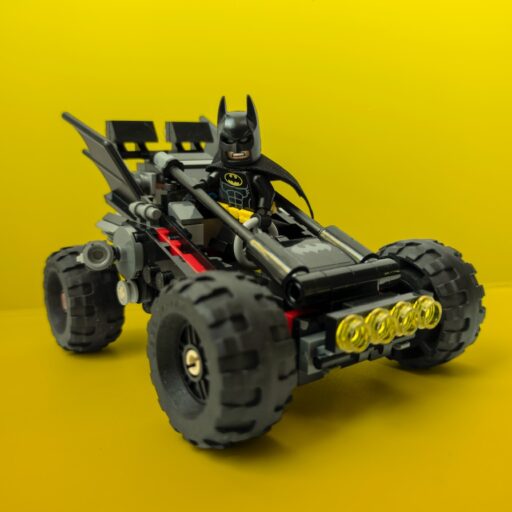
The LEGO Group is best known for its interlocking bricks and themed construction sets. Its products range from simple builds to detailed models, with options for different ages and interests. See LEGO’s official site or explore our building blocks and sets category.
Strengths: reusable parts, open-ended building, and a broad range of themes.
Trade-offs: pieces can get lost, some sets contain small parts, and highly detailed builds may be less appealing to children who prefer freeform play.
A LEGO box may include a step-by-step build, but the best moment in our homes often comes after the instructions are put away and a child turns the spaceship into a bakery. 🧱
4. Spin Master
Spin Master develops toys, games, and entertainment brands, including products associated with PAW Patrol, Hatchimals, and other licensed properties. Browse Spin Master’s brand portfolio or Spin Master toys on Amazon.
Parents may like the familiar characters and varied play styles. Before choosing a character toy, consider whether the child enjoys imaginative play beyond the show or film. A toy that supports several kinds of play may have more staying power than one that only repeats a sound or scene.
5. MGA Entertainment
MGA Entertainment is known for L.O.L. Surprise!, Bratz, Rainbow High, and Little Tikes. Its offerings include dolls, role-play toys, collectibles, and outdoor products. Visit MGA Entertainment’s official site or browse MGA toys on Amazon.
Its brands appeal to different ages and interests, so don’t assume every product suits every child. Small accessories, collectible components, and packaging features can matter for younger children; read the specific product warnings before buying.
6. Bandai Namco
Bandai Namco is connected with toys, games, model kits, and licensed products, including Tamagotchi and Gundam model kits. For products and corporate information, start with Bandai Namco or search Bandai toys on Amazon.
Some items are designed for play; others are aimed more at collectors or model builders. Check the recommended age and whether assembly, paint, or additional tools are needed before putting a kit in a child’s hands.
7. Jazwares
Jazwares is known for Squishmallows plush and licensed toys. See Jazwares’ official site or Jazwares toys on Amazon.
Soft toys are often popular for comfort and pretend play, but parents should check washing instructions, materials, and any attached features. For licensed collectibles, look at the actual product details rather than relying on a character image alone.
8. Ravensburger
Ravensburger makes puzzles, board games, and other tabletop products, and its portfolio includes BRIO. Visit Ravensburger’s official site or browse Ravensburger puzzles and games on Amazon.
A puzzle can be a quiet solo activity or a teamwork exercise—until everyone argues about whether that piece is “definitely the sky.” Choose by piece count, age guidance, and the child’s tolerance for trial and error.
9. Playmobil
Playmobil creates figure-based playsets that encourage role-play, from everyday scenes to fantasy settings. See Playmobil’s official site or Playmobil sets on Amazon.
Its figures and accessories can inspire detailed stories. The flip side is familiar to parents everywhere: small pieces can migrate under furniture with extraordinary confidence. Consider storage and age warnings when choosing a set.
10. Melissa & Doug
Melissa & Doug is known for pretend-play sets, puzzles, art materials, and wooden toys. Browse Melissa & Doug’s official site or Melissa & Doug toys on Amazon.
Many products invite children to create their own scenarios, which can be refreshing for families looking to reduce toy features that talk, flash, or need an app. Check dimensions, materials, and the age range for the particular item.
11. Fisher-Price
Fisher-Price, part of Mattel, focuses on infant, toddler, and preschool toys. Its product lines include activity toys, pretend-play sets, and early-learning products. See Fisher-Price’s official site or Fisher-Price toys on Amazon.
For babies and toddlers, simplicity is often a feature, not a flaw. Look for clear age guidance, easy-to-clean surfaces, and toys that suit a child’s current abilities. The CPSC’s infant product safety information is useful context for parents shopping for very young children.
12. VTech
VTech makes electronic learning products, including activity toys, kid-focused devices, and educational toys. Visit VTech’s official site or VTech toys on Amazon.
Interactive lights and sounds can catch a child’s attention, but we recommend checking volume controls, battery requirements, setup steps, and privacy information for connected products. For more options, see our electronic toys category.
13. Hape
Hape offers wooden toys, puzzles, musical toys, and pretend-play products. Browse Hape’s official site or Hape toys on Amazon.
A wooden toy can feel sturdy and satisfyingly simple, but “wooden” doesn’t automatically mean suitable for every age or free of maintenance needs. Check finishes, construction, and the product’s age guidance.
14. Schleich
Schleich is known for detailed animal figures and themed playsets. See Schleich’s official site or Schleich figures on Amazon.
These toys can encourage pretend play and collecting. The detail is part of the appeal, but figures and accessories may be small, so check age recommendations and keep pieces away from younger siblings.
15. Play-Doh
Play-Doh is a modeling compound brand owned by Hasbro, with creative kits and themed playsets. Find product information at Play-Doh’s official site or Play-Doh products on Amazon.
It’s a good fit for hands-on creative play, especially when adults accept that the dining table may briefly become a very colorful bakery. Check the label for age guidance, storage directions, and any included small parts.
16. Funko
Funko is known for character figures and collectibles, including its Pop! line. Visit Funko’s official site or browse Funko figures on Amazon.
Funko products are often bought for display and collecting rather than active play. That makes them a natural choice for fans, but parents should check product details: some figures and accessories are not intended for young children. For more, see our collectible toys category.
17. Crayola
Crayola makes crayons, markers, paints, and other creative products for children and families. Explore Crayola’s official site or Crayola products on Amazon.
Art supplies make a useful gift when you want a child to make something rather than simply unbox something. Check washable claims, age guidance, and supervision advice for the specific product.
18. Goliath Games
Goliath Games produces family, party, and children’s games. Visit Goliath Games’ official site or Goliath games on Amazon.
Game shopping is easier when you check player count, playtime, reading requirements, and whether the game rewards cooperation or competition. Those small details can determine whether a game night ends with a rematch or a dramatic search for the instruction booklet.
19. Thames & Kosmos
Thames & Kosmos makes science kits, experiments, and STEM products. See Thames & Kosmos’ official site or Thames & Kosmos kits on Amazon.
These kits can turn curiosity into a hands-on activity, but some projects need adult help, household materials, or several steps of setup. Read the kit details before gifting it to a child who expects to start experimenting immediately.
20. Learning Resources
Learning Resources produces educational toys and classroom materials, including products for math, science, pretend play, and early skills. Browse Learning Resources’ official site or Learning Resources toys on Amazon.
Educational labels can be helpful, but the key question is still: Will this child enjoy using it? Our educational toys category has more ideas for play that supports learning without making every toy feel like homework.
🌍 Toy Companies by Region
Toy brands often sell around the world, while their headquarters, design teams, and manufacturing sites may be in different countries. A brand’s origin is not proof that a particular toy was manufactured there.
| Region | Examples of companies associated with the region | What to check |
|---|---|---|
| North America | Mattel, Hasbro, Spin Master, MGA Entertainment | Corporate information and product country-of-origin label |
| Europe | LEGO Group, Ravensburger, Playmobil, Hape | Brand history, product line, and manufacturing statement |
| Asia | Bandai Namco, VTech | Product label, regional site, and local safety information |
| Many regions | Licensed brands and independent makers | Who designed, licensed, distributed, and produced the item |
For a useful U.S. reference, the Wikipedia directory of toy companies of the United States lists many companies and subcategories. It’s a starting directory, not a buying guide: entries may include historical firms, specialist makers, brands, or related companies, so verify current ownership and activity through official sources.
North American toy manufacturers
Well-known North American companies include Mattel, Hasbro, Spin Master, MGA Entertainment, Melissa & Doug, Crayola, Jazwares, and Learning Resources. The region also has specialist companies in dolls, trains, puzzles, model kits, plush, and collectibles.
A long company list can be tempting, but it doesn’t prove that a toy was made in the United States or Canada. Check the product’s country-of-origin label if local manufacturing matters to you. Company headquarters and manufacturing location are separate facts.
European toy makers
European-origin companies include the LEGO Group in Denmark, Ravensburger and Playmobil in Germany, and Hape, which was founded in Germany and operates internationally. Their products span construction toys, puzzles, figures, pretend play, and wooden toys.
Regional origin can be interesting, but it shouldn’t replace product-by-product checks. A brand may have a European history while selling products manufactured in different places.
Asian toy manufacturers
Companies such as Bandai Namco and VTech have roots in Asia and serve international markets. Their offerings include character toys, collectibles, electronic learning products, and games.
For electronic products, check the intended age, charging or battery details, app requirements, and privacy information. For collectibles and model kits, check whether the item is meant for display, assembly, or play.
Independent and local toy makers
Independent makers can offer handcrafted toys, custom designs, and small-batch products. You may find them through local toy stores, craft marketplaces, museum shops, or regional maker organizations.
Before buying, ask:
- What materials and finishes are used?
- Is the product tested and labeled for the intended age?
- Are replacement parts or repairs available?
- Is it a toy intended for children, or a collectible/decorative object?
- Can the seller explain where it was made?
Handmade is not a substitute for safety information. For a child’s toy, look for clear product details and age-appropriate warnings.
🎲 Toy Manufacturers by Toy Type
Choosing by play style is often quicker than comparing company histories. Here’s a map of familiar manufacturers by category:
| Toy type | Examples of manufacturers | What to consider |
|---|---|---|
| Building sets | LEGO Group, Mattel, Hape | Piece size, complexity, and open-ended use |
| Dolls and figures | Mattel, MGA Entertainment, Playmobil, Schleich | Accessories, age guidance, and pretend-play possibilities |
| Games and puzzles | Hasbro, Ravensburger, Goliath Games | Player count, reading level, and playtime |
| Educational toys | Learning Resources, VTech, Thames & Kosmos | Adult help, setup, and the skill being practiced |
| Baby and preschool | Fisher-Price, Melissa & Doug, Hape | Age guidance, durability, and easy cleaning |
| Collectibles and licensed toys | Funko, Jazwares, Bandai Namco | Play versus display, small pieces, and licensing |
| Art and creative play | Crayola, Hasbro/Play-Doh | Materials, storage, and washable claims |
Building sets and construction toys
LEGO Group, Mattel, Hape, and other companies make construction toys for different ages and building styles. Some products focus on following instructions; others invite free-form building.
- For preschoolers: Look for larger pieces and age-appropriate construction toys.
- For school-age children: Consider sets with a theme, challenge, or reusable parts.
- For family play: Open-ended sets let adults and children build together.
The American Academy of Pediatrics (AAP) encourages families to choose toys that support active, imaginative play and fit the child’s developmental stage. Explore more options in our building blocks and sets category.
Dolls, action figures, and collectibles
Mattel, MGA Entertainment, Hasbro, Playmobil, Schleich, Funko, and Jazwares all have products that connect with character play or collecting.
These aren’t all the same kind of toy. A dollhouse set may invite storytelling, an action figure may support imaginative battles or adventures, and a collectible figure may be intended mainly for display. Before buying, check:
- Whether the item is for active play or display
- Recommended age and small-parts warnings
- The number and size of accessories
- Whether the child already owns compatible products
Browse our collectible toys category for more ideas.
Board games, puzzles, and tabletop toys
Hasbro, Ravensburger, and Goliath Games offer games and puzzles for families, groups, and solo play. Puzzles can help children practice patience and visual problem-solving, while games create opportunities to take turns and follow shared rules.
A good match depends on the people at the table:
- For a young child, prioritize simple rules and short rounds.
- For mixed ages, look for games with flexible difficulty or team play.
- For solo time, check whether the puzzle or game is designed for one player.
- For a gift, confirm the age range, player count, and language requirements.
Educational and STEM toys
Learning Resources, Thames & Kosmos, VTech, LEGO Education, and Sphero are examples of companies with educational, science, building, or coding products.
“Educational” can mean many things: counting practice, science experiments, construction, problem-solving, or coding. We recommend asking what the child will actually do with the toy rather than judging it by the label alone. Browse our educational toys category.
Some kits need an adult for setup or supervision. Check the instructions and age guidance before buying—especially if the child wants to use the kit independently.
Baby, toddler, and preschool toys
Fisher-Price, VTech, Hape, and Melissa & Doug make toys for babies, toddlers, and preschoolers. For these ages, the most important checks are age suitability, small parts, construction, cleanability, and adult supervision.
The AP recommends choosing toys that support development and are appropriate to a child’s abilities; its guidance on selecting toys for babies, toddlers, and preschoolers is a useful starting point.
For a baby, avoid products with small parts or loose components that could pose a choking hazard. The CPSC’s small-parts guidance explains U.S. requirements for small parts in children’s products.
Outdoor, ride-on, and sports toys
Companies such as Little Tikes, Radio Flyer, and Hasbro make or have made products associated with outdoor, ride-on, and active play. Product ranges and availability change, so check current catalogs and safety instructions.
When considering an outdoor or ride-on toy, verify:
- The age, size, and weight guidance
- Required protective equipment
- The surface and space needed for safe use
- Assembly and maintenance instructions
- Whether adult supervision is required
An active toy can be a hit, but a driveway, park, or backyard may have different hazards. Choose the play location as carefully as the product.
Electronic, interactive, and licensed toys
VTech, LeapFrog, Sphero, Bandai Namco, and licensed-toy makers offer electronic or character-based products. These toys may include sounds, lights, apps, cameras, microphones, or wireless connectivity.
Before purchasing, check the product page for:
- App and internet requirements
- Data collection and privacy details
- Battery or charging needs
- Volume controls and headphone options
- Whether the toy works without a connected service
- Current software and customer-support information
For broader age and screen-use advice, the AAP’s family media plan can help families set expectations. You can also compare products in our electronic toys category.
🔎 How to Choose a Toy Manufacturer or Brand
A company name is a useful shortcut, not a final answer. We recommend comparing the specific toy, its fit for the child, and the support the manufacturer provides.
| What to compare | Questions to ask |
|---|---|
| Play style | Will the child build, pretend, draw, move, solve, or collect? |
| Age fit | Is the product appropriate for the child’s abilities and any younger siblings nearby? |
| Practicality | Does it need batteries, an app, assembly, or extra storage? |
| Quality information | Are materials, instructions, and product details easy to find? |
| Safety | Are warnings clear, and can you check for recalls? |
| Long-term value | Will the child reuse it, expand it, or play with it in different ways? |
Match the toy to a child’s age and interests
Start with the child, not the marketing category. A child who loves making up stories may get more from Playmobil, dolls, or animal figures than from a complex electronics kit. A puzzle enthusiast may enjoy Ravensburger, while a budding builder might prefer LEGO or another construction set.
A quick decision path:
- Choose a play style: creative, active, pretend, social, sensory, or problem-solving.
- Check the age range: use it as a starting point, then consider the child’s skills and interests.
- Think about the household: could a baby access small pieces? Is storage limited?
- Read the product details: check dimensions, materials, setup, and warnings.
- Ask whether it will still be fun next week: toys with more than one way to play often stay interesting longer.
For advice on age-appropriate toys, see the AP’s toy selection guide.
Compare quality, play value, and durability
“Good quality” isn’t just about how heavy a toy feels. Look for secure construction, instructions that make sense, materials suited to the play activity, and a design children can use without constant adult repair.
We ask parents to consider:
- Play value: Does the toy support more than one activity?
- Durability: Is it designed for the way the child will use it?
- Repair and replacement: Can the company provide parts or support?
- Storage: Are there bags, boxes, or easy ways to keep pieces together?
- Reviews: Do several reviewers mention the same recurring issue?
Online reviews can flag concerns, but individual experiences aren’t controlled testing. Read recent reviews and official product information together instead of letting one dramatic one-star tale—or one glowing unboxing video—make the whole decision.
Check safety labels, recalls, and certifications
Before buying, read the age grade, warning statements, and packaging. Then check the product name or manufacturer against the CPSC recalls database.
For U.S. toys, the CPSC explains federal toy safety rules. Internationaly, standards and certification marks differ by jurisdiction; the European Commission’s toy safety information explains the EU framework.
No brand name replaces a product-specific check. If a toy is damaged, missing safety information, or subject to a recall, stop using it and follow the relevant authority’s instructions.
Consider materials, sustainability, and repairability
If sustainability matters to your family, look beyond broad claims such as “green” or “eco-friendly.” Check whether a company explains its materials, packaging, sourcing, product durability, and end-of-life plans.
Questions worth asking:
- Is the material identified clearly?
- Can the toy be repaired or passed along?
- Is packaging minimal and recyclable where local services accept it?
- Are environmental claims specific and supported?
- Does the product require batteries or electronics that complicate disposal?
A sturdy toy that gets reused can be a practical choice, but material alone doesn’t tell the whole environmental story. Compare the product’s lifespan, packaging, and disposal requirements.
🛡️ Toy Safety and Quality Standards
Toy safety depends on a combination of design, testing, manufacturing controls, warnings, and appropriate use. Rules differ across countries, so shoppers should check guidance from the authority responsible for the market where the toy is sold.
| Where you’re shopping | Useful safety resource |
|---|---|
| United States | CPSC toy safety resources |
| European Union | European Commission toy safety overview |
| General consumer checks | Product label, instructions, age guidance, and manufacturer support page |
Age grading and small-parts warnings
Age grading considers factors such as a toy’s features, complexity, and potential hazards. It isn’t a precise measure of a particular child’s intelligence or ability. A toy marked for an older age may contain small parts or tasks unsuitable for a younger child, even if they seem advanced.
Pay special attention to:
- Small parts and detachable accessories
- Magnets and batteries
- Long cords or strings
- Toys with projectiles
- Water, heat, or chemical-based science activities
- Products intended for display rather than play
The CPSC’s small-parts requirements explain how U.S. rules address small parts in children’s products. Always follow the product’s own warning label and instructions.
U.S. and international toy safety rules
In the United States, the CPSC oversees toy safety requirements, including applicable testing and certification obligations. The CPSC’s business guidance outlines the framework.
In the European Union, toys must meet applicable EU requirements, including rules addressing safety and conformity marking. See the European Commission’s toy safety page.
A mark or certificate should be interpreted in context. Check which market it applies to and whether it belongs to the specific product. A product sold across borders may need to meet multiple sets of requirements.
How to check for toy recalls
Use this quick process:
- Find the exact product name and model number on the packaging or toy.
- Search the official recall database for the country where you bought it; in the U.S., use the CPSC recalls page.
- Compare photos, dates, and identifying details rather than relying on a similar product name.
- Follow the recall notice for instructions, such as stopping use or contacting the company.
- Share the information with anyone else who cares for the child or may have bought the same toy.
If a product is damaged or missing a component, contact the manufacturer before improvising a repair. A fix that seems sensible to an adult may change how a toy works or create a new hazard.
♻️ Sustainability in the Toy Industry
Toy companies are exploring materials, packaging, product design, and reuse in different ways. The details vary by company and product, so the best approach is to evaluate specific, verifiable claims, not a broad label.
| Sustainability factor | What to look for |
|---|---|
| Materials | Specific information on recycled, certified, or renewable content |
| Durability | Products designed to be reused, handed down, or repaired |
| Packaging | Clear details about reducing packaging or using recyclable materials |
| End of life | Repair, parts availability, take-back, or recycling guidance |
| Transparency | Published goals, progress reporting, and product-level information |
Recycled and responsibly sourced materials
Some companies announce products using recycled plastics, responsibly sourced wood, or alternative materials. To judge a claim, look for specifics: What material? In which product? What percentage? Verified by whom?
For wood products, ask whether the company identifies sourcing standards. For plastics, check whether “recycled” applies to the toy itself, its packaging, or only some components. The Federal Trade Commission’s Green Guides explain how environmental marketing claims should be substantiated in the United States.
Packaging, durability, and toy take-back programs
Packaging can affect waste, but product lifespan matters too. A toy that is easy to clean, store, repair, or pass to another child may remain useful longer than a product with limited reuse.
Before buying, check whether the manufacturer offers:
- Replacement parts or repair information
- Packaging disposal guidance
- A take-back or recycling program
- Clear product-life or materials information
Programs change, and not every toy is accepted in ordinary curbside recycling. Follow the company’s current instructions and your local waste authority’s guidance rather than assuming that a toy’s material is recyclable everywhere.
💼 How to Find a Toy Manufacturer for a Business
If you’re developing a toy to sell, the right manufacturer depends on product type, production volume, materials, testing needs, budget, and target market. A factory that makes plush toys may not be equipped for electronics or molded plastic.
Start by defining:
- What the toy does and who it is for
- Materials, dimensions, and key design features
- Which countries you intend to sell in
- Required testing, labels, and documentation
- Expected order volume and delivery schedule
- Whether the product is original, licensed, or private-label
The Toy Association offers industry resources and advocacy for companies, including smaller and mid-sized businesses. For regulatory requirements, review the CPSC’s manufacturer and business guidance.
Toy manufacturing versus private labeling
| Approach | What it means | Typical consideration |
|---|---|---|
| Custom manufacturing | A supplier produces a toy to your design or specifications | More design work, protyping, and testing coordination |
| Private labeling | An existing product is sold under your brand | Faster product development, but less product uniqueness |
| Licensed production | Products use intellectual property under a license | Requires permission and compliance with licensing terms |
| In-house production | Your business makes the product itself | Greater control, but significant equipment and operations demands |
The exact legal and commercial responsibilities depend on the agreement and where the product is sold. Don’t assume a factory or supplier takes care of every compliance obligation; establish responsibilities in writing and seek qualified legal or testing advice.
Questions to ask a toy supplier
Before committing, ask a prospective supplier:
- What toy categories and materials do you specialize in?
- Where will the product be manufactured?
- Can you provide references and examples of similar work?
- How do you handle prototypes and design changes?
- What testing and documentation can you provide?
- Who is responsible for compliance and product labeling?
- What are the minimum order, production lead time, and payment terms?
- How are quality problems, defects, and recalls handled?
- Can you provide replacement parts or ongoing production support?
Request clear written answers. A polished sales presentation is useful; verifiable production and safety information is more useful.
Prototypes, testing, minimum orders, and production
A responsible development process usually includes several rounds:
- Prepare a product brief with sketches, dimensions, intended age, materials, and function.
- Contact specialized manufacturers with experience in the relevant category.
- Request a prototype and document requested revisions.
- Confirm materials and production specifications before authorizing a production run.
- Arrange applicable testing for the target markets and product type.
- Review packaging and instructions for clear warnings and usage information.
- Set quality checks and defect procedures in the supplier agreement.
- Keep records of product specifications, tests, changes, and suppliers.
Toy safety testing can be product-specific and market-specific. Consult the relevant regulator and qualified testing professionals; the CPSC’s toy safety business guidance is a starting point for U.S. requirements.
🔗 Recommended Links
Shopping through these brand pages can help you compare current ranges, age guidance, and product details. Check each item’s label and product listing before purchase, especially for small parts or electronic features.
- Mattel: Amazon | Mattel Official Website
- Hasbro: Amazon | Hasbro Official Brand Portfolio
- LEGO Group: Amazon | LEGO Official Website
- Spin Master: Amazon | Spin Master Official Brands
- MGA Entertainment: Amazon | MGA Official Website
- Bandai: Amazon | Bandai Namco Official Website
- Jazwares: Amazon | Jazwares Official Website
- Ravensburger: Amazon | Ravensburger Official Website
- Playmobil: Amazon | Playmobil Official Website
- Melissa & Doug: Amazon | Melissa & Doug Official Website
- Fisher-Price: Amazon | Fisher-Price Official Collection
- VTech: Amazon | VTech Official Website
- Hape: Amazon | Hape Official Website
- Schleich: Amazon | Schleich Official Website
- Play-Doh: Amazon | Play-Doh Official Collection
- Funko: Amazon | Funko Official Website
- Crayola: Amazon | Crayola Official Website
- Goliath Games: Amazon | Goliath Games Official Website
- Thames & Kosmos: Amazon | Thames & Kosmos Official Website
- Learning Resources: Amazon | Learning Resources Official Website
❓ FAQ

What are the most popular toy manufacturers worldwide?
Widely recognized names include Mattel, Hasbro, LEGO Group, Spin Master, Bandai Namco, MGA Entertainment, Ravensburger, VTech, and Playmobil. “Popular” can mean different things: global brand recognition, sales, local availability, or a child’s personal favorites. The best-known company isn’t automatically the best match for every child.
Read more about “🏆 Who Is the Largest Toy Company? Top 10 Giants Revealed (2026)”
Which toy brands specialize in eco-friendly toys?
Some manufacturers highlight particular products made with recycled, responsibly sourced, or alternative materials. Hape is known for wooden toys, while large companies including Mattel and LEGO Group have published environmental initiatives. Claims and materials vary by product, so check current company reports and product descriptions rather than assuming an entire brand is eco-friendly.
For environmental marketing claims in the U.S., the FTC Green Guides offer guidance on substantiation. Look for specific, measurable details about materials, packaging, durability, and disposal.
Read more about “15 Educational Toys for Kids That Make Play Count 🧩”
What toy companies offer the safest products for children?
There is no dependable brand-wide answer: safety depends on the specific product, the child’s age, and how the toy is used. Choose a product with clear age guidance and warnings, follow instructions, and check current recalls through the CPSC in the United States.
A respected brand can offer useful support and product information, but it is not a substitute for reading the label or supervising play when needed.
Read more about “15 Top Toy Companies in the World (2026) 🧸”
Who are the leading manufacturers of collectible toys?
Recognizable collectible-toy companies include Funko, Jazwares, Bandai, Mattel, Hasbro, and MGA Entertainment. Their offerings range from character figures and plush to dolls, model kits, and licensed merchandise.
Check whether an item is intended for play or display. Some collectibles contain small parts or fragile components and may not be suitable for younger children.
Read more about “30+ Best Toy and Game Brands in the US (2026) 🎲”
Which toy manufacturers are best for educational toys?
Learning Resources, Thames & Kosmos, VTech, LeapFrog, and LEGO Education are good starting points for educational, STEM, electronic learning, and classroom-oriented products. The right choice depends on the skill or activity: science experiments, coding, early math, reading, or building.
We recommend matching the product to a child’s interests first. A toy that gets used and enjoyed is more useful than one that earns an impressive label and then gathers dust.
Read more about “🧸 What Toy Companies Exist? Top 8 Global Giants & Hidden Gems (2026)”
What are some award-winning toy manufacturers that produce high-quality toys?
Toy awards are given to specific products, not necessarily to every item from a manufacturer. The Toy of the Year (TOTY) Awards, organized by The Toy Association, recognize products in categories that vary by year. See the official TOTY Awards site for current and past honores.
Use an award as one signal, then check the product’s design, age fit, safety information, durability, and independent reviews. A trophy-shaped badge cannot tell you whether your child will enjoy the toy—or whether it fits on the shelf.
Read more about “🏆 15+ Award-Winning Toy Brands for Children (2026)”
How do I find toy manufacturers that align with my values and parenting style?
First, turn your values into concrete questions. If you prioritize open-ended play, look for products that support several activities. If you prefer fewer electronics, check for app requirements and sound features. If sustainability matters, look for product-specific information about materials, packaging, repair, and reuse.
Then compare the manufacturer’s public policies with the product itself. A company may have broad sustainability goals while offering products made from different materials, so verify the details of the item you plan to buy.
What are the safest toy brands for infants and toddlers?
Brands such as Fisher-Price, Hape, Melissa & Doug, and VTech offer products for young children, but no brand name guarantees that every item is appropriate for every infant or toddler. Follow the product’s age recommendation and check for small parts, loose components, cords, batteries, and cleaning instructions.
The AAP’s toy selection guidance and the CPSC’s infant safety resources are useful references.
Read more about “🏆 Top 10 Popular Toy Companies Ranked for 2026”
Are there any toy manufacturers that offer customized or personalized toys?
Yes. Some companies and independent makers offer personalized plush toys, custom dolls, engraved wooden toys, or made-to-order products. Availability changes by region and season, so check the manufacturer’s official site or a reputable local maker.
For personalized products, confirm the seller’s materials, production timeline, return policy, and age suitability. Customization doesn’t remove the need for clear safety information.
Read more about “🚀 15 Best Educational Toy Brands for Preschoolers (2026)”
How do I choose the best toy manufacturer for my child’s age group?
Start with the child’s age and abilities, then shortlist brands that make the relevant toy type. For babies and toddlers, examine age guidance and small-parts warnings closely. For preschoolers, consider pretend play, art, and simple construction. Older children may enjoy more complex building sets, games, STEM kits, or collectibles.
Use age labels as a guide—not a challenge to prove a child is “advanced.” Check the AAP’s age-appropriate toy advice and the product’s own instructions.
Read more about “Top 12 Toy Companies in the World You Need to Know (2026) 🎲”
How can I find a manufacturer for a new toy idea?
Write a product brief that covers the toy’s purpose, age group, materials, design, target sales markets, and expected production volume. Then contact suppliers who specialize in that category and ask about prototypes, testing, certifications, lead times, minimum orders, and quality controls.
For products intended for sale, establish compliance responsibilities in writing and consult qualified testing professionals. The CPSC’s toy safety business guidance is a starting point for U.S. requirements.
Read more about “👑 Who’s Got the Biggest Toy Chest? The World’s Largest Toy Market … 🌎”
Are toy brands and toy manufacturers always the same company?
No. A brand may be owned by one company, manufactured by a contractor, and sold by a retailer. Some companies manage multiple brands; others license characters or designs to separate toy makers. Check the package, company website, and product support information to identify who is responsible for the specific item.
Read more about “Who Is the Number 1 Toy Company? Top 10 Giants of 2025 🎲”
Where can I verify whether a toy company is legitimate?
Start with the company’s official website, contact information, product instructions, and published safety details. Search the relevant regulator’s recall database and look for consistent company information across packaging and retailer listings.
For U.S. industry context, The Toy Association’s official website provides information about the trade organization and its work. Association membership is not a substitute for checking the safety and quality of a particular product.