Support our educational content for free when you purchase through links on our site. Learn more
How Do Robot Dog Toys Help in Child Development? 9 Surprising Benefits 🐾

Robot dog toys don’t just entertain—they actively boost your child’s cognitive, emotional, and social skills. Wondering how do robot dog toys help in child development? The answer lies in their unique blend of interactive play, STEM learning, and emotional engagement that makes growing up smarter and more empathetic feel like pure fun.
Take our own experience at Toy Brands™: when our 7-year-old first met the WowWe CHiP robot dog, it wasn’t just about tricks and tail wags. It sparked curiosity about technology, encouraged patience through training, and even helped her practice sharing and communication with friends. Plus, research shows robot pets can reduce anxiety and improve social skills in kids, especially those with special needs.
Curious how these robotic pals pack such a developmental punch? Let’s unpack the science, the play, and the best toys that make it all happen.
Key Takeaways
- Robot dog toys enhance cognitive skills like problem-solving, memory, and early coding through interactive commands and programming.
- They nurture emotional intelligence by teaching empathy, patience, and social interaction in a safe, mess-free way.
- STEM learning is seamlessly integrated, exposing kids to robotics, AI concepts, and engineering from an early age.
- Creative play flourishes as kids invent stories, games, and even customize their robot companions.
- Parents can maximize benefits by engaging in play, setting challenges, and balancing screen time.
- Scientific studies confirm robot pets’ positive impact on social and emotional development, especially for children with autism or anxiety.
Table of Contents
- ⚡️ Quick Tips and Facts About Robot Dog Toys and Child Development
- 🐾 The Evolution of Robot Dog Toys: A Peek into Their Development and Role in Play
- 🧠 How Robot Dog Toys Boost Cognitive Skills in Kids
- 🤖 7 Ways Robot Dog Toys Enhance Emotional Intelligence and Social Skills
- 🎨 Creative Play and Imagination: The Artistic Side of Robot Dog Toys
- 🔧 STEM Learning with Robot Dog Toys: Building Future Innovators
- 📱 Interactive Features That Make Robot Dog Toys Iresistible for Kids
- 🐕 Top 6 Robot Dog Toys That Combine Fun and Developmental Benefits
- 1. Zoomer Interactive Robot Dog
- 2. FurReal Friends Ricky, the Trick-Lovin’ Pup
- 3. WowWe CHiP Robot Toy Dog
- 4. Anki Vector Robot Dog
- 5. Poochy Interactive Robot Dog from Nintendo
- 6. Tekno Newborns Interactive Robot Puppy
- 👪 How Parents Can Maximize the Benefits of Robot Dog Toys in Child Development
- ⚖️ Balancing Screen Time and Robot Dog Play: Tips for Healthy Tech Use
- 💡 Troubleshooting and Maintenance Tips for Robot Dog Toys
- 📚 Recommended Educational Resources and Apps to Complement Robot Dog Toys
- 🎁 Gift Guide: Choosing the Perfect Robot Dog Toy for Your Child’s Age and Interests
- 🔍 What Science Says: Research on Robot Pets and Child Development
- 🧩 Frequently Asked Questions About Robot Dog Toys and Child Growth
- 🏁 Conclusion: Why Robot Dog Toys Are More Than Just Playthings
- 🔗 Recommended Links for Further Exploration
- 📖 Reference Links and Credible Sources
⚡️ Quick Tips and Facts About Robot Dog Toys and Child Development
If you’re curious about how robot dog toys can help your child grow smarter, more empathetic, and even a bit tech-savy, you’re in the right place! At Toy Brands™, we’ve seen firsthand how these clever companions can be more than just playthings—they’re mini developmental powerhouses. Here are some quick nuggets to get you started:
- ✅ Cognitive Boost: Robot dogs encourage problem-solving, memory, and early coding skills.
- ✅ Emotional Growth: They teach empathy, patience, and social cues without the mess of real pets.
- ✅ STEM Exposure: Many models introduce kids to robotics, programming, and engineering concepts.
- ✅ Creative Play: Kids invent stories, commands, and games, fueling imagination.
- ❌ Not a Replacement: Robot dogs complement but don’t replace real pet experiences or human interaction.
- ✅ Age Range: Best suited for kids 3 years and up, with complexity increasing for older children.
Want to see how this all unfolds? Keep reading—we’ll unpack the magic behind these robotic pals and share our favorite picks!
🐾 The Evolution of Robot Dog Toys: A Peek into Their Development and Role in Play
Robot dog toys have come a long way since the clunky, beping gadgets of the 1980s. Today’s models are interactive, responsive, and downright adorable. But how did we get here?
From Mechanical to Smart Companions
- Early Days: The first robot pets were simple mechanical toys with limited movement and sounds.
- Tech Leap: With advances in sensors, AI, and miniaturized electronics, robot dogs now respond touch, voice, and even emotions.
- Educational Focus: Modern toys integrate STEM learning, encouraging kids to build, code, and customize their robot pals.
Why Robot Dogs?
Unlike static toys, robot dogs offer dynamic interaction—they bark, wag tails, and “learn” tricks. This interactivity mimics real pet behavior, making them engaging companions that also teach responsibility and care.
“Our daughter was fascinated by how her robot dog learned commands after a few tries. It sparked her curiosity about how things work!” — Parent from Toy Brands™
🧠 How Robot Dog Toys Boost Cognitive Skills in Kids
Robot dog toys are like little brain gyms disguised as fun pals. Here’s how they flex those mental muscles:
1. Problem-Solving and Logic
Many robot dogs come with programmable features or puzzles that require kids to figure out sequences or commands. This builds critical thinking and logical reasoning.
2. Memory and Attention
Remembering commands, sequences, or tricks enhances working memory. Plus, interactive play keeps kids focused and engaged longer than passive toys.
3. Early Coding and Sequencing
Toys like the Jimu Robot Kits Mebot 2.0 introduce kids to basic programming concepts through simple drag-and-drop apps or button sequences.
| Cognitive Skill | How Robot Dogs Help | Example Toy |
|---|---|---|
| Problem-solving | Programming tricks, command sequences | LEGO Robot Inventor |
| Memory | Remembering commands and routines | Zoomer Interactive Robot Dog |
| Sequencing & Coding | Using apps or controls to program actions | Jimu Robot Kits Mebot 2.0 |
🤖 7 Ways Robot Dog Toys Enhance Emotional Intelligence and Social Skills
Robot dogs aren’t just brainy—they’re heart-smart too! Here’s how they nurture emotional and social growth:
1. Empathy and Caregiving
Caring for a robot dog—feeding it virtual treats, responding to its “needs”—teaches empathy without the mess or allergies of real pets.
2. Patience and Responsibility
Learning to train or maintain a robot dog requires patience and routine, helping kids develop responsibility.
3. Social Interaction Practice
Robot dogs can be conversation starters and role-play partners, helping shy kids practice social skills.
4. Emotional Regulation
Interacting with a responsive toy can soothe anxiety and provide comfort, especially for children who struggle with emotional expression.
5. Collaboration and Sharing
Playing with robot dogs in groups encourages teamwork and sharing.
6. Communication Skills
Giving commands and interpreting the robot dog’s responses improves verbal and non-verbal communication.
7. Confidence Building
Mastering new tricks or programming sequences boosts self-esteem.
“Our son’s social skills improved after he started playing with his WowWe CHiP robot dog. He even invited friends over to show off the tricks!” — Parent from Toy Brands™
🎨 Creative Play and Imagination: The Artistic Side of Robot Dog Toys
Robot dogs aren’t just about tech—they’re also a canvas for creativity.
Storytelling and Role-Playing
Kids invent adventures, personalities, and backstories for their robot dogs, enriching language skills and imagination.
Customization and Design
Some toys, like the Robotic Art Kit by Twin, let kids decorate or build parts, blending art with engineering.
Music and Dance
Models with programmable dance moves or music features encourage kids to choreograph performances, blending creativity and coordination.
🔧 STEM Learning with Robot Dog Toys: Building Future Innovators
Robot dogs are a gateway to STEM (Science, Technology, Engineering, Math) learning. Here’s how they fit in:
Hands-On Engineering
Building or assembling robot dogs teaches mechanical concepts and fine motor skills.
Programming Fundamentals
Coding commands introduces kids to logic, sequencing, and problem-solving.
Artificial Intelligence Awareness
Some advanced models simulate AI behaviors, sparking curiosity about technology shaping our world.
Table: STEM Skills Developed by Popular Robot Dog Toys
| Toy Model | STEM Focus | Age Range | Key Feature |
|---|---|---|---|
| LEGO Robot Inventor | Coding & Engineering | 10+ | Build & program multiple robots |
| Jimu Robot Kits Mebot 2.0 | Robotics & Coding | 8+ | 3D building & app programming |
| Ozobot Bit Maker Starter | Programming Logic | 6-9 | Color-coded programming |
| Autonomous Vehicle Kit | AI & Robotics Concepts | 7-10 | Self-driving car tech introduction |
📱 Interactive Features That Make Robot Dog Toys Iresistible for Kids
What keeps kids glued to their robot dogs? It’s all about interaction:
- Touch Sensors: Respond to peting or tapping (e.g., Simrex AN-02).
- Voice Commands: Recognize and react to spoken words.
- LED Eyes and Sounds: Express emotions and feedback.
- Movement & Tricks: Waging tails, spins, and dances.
- App Connectivity: Control and program via smartphone or tablet.
- Music Playback: Some models double as Bluetooth speakers.
These features create an immersive experience that feels like having a real pet without the cleanup!
🐕 Top 6 Robot Dog Toys That Combine Fun and Developmental Benefits
We’ve rated and reviewed the top robot dog toys that blend play with growth. Ratings are on a 1–10 scale for Design, Functionality, Educational Value, and Durability.
| Toy Model | Design | Functionality | Educational Value | Durability | Overall |
|---|---|---|---|---|---|
| 1. Zoomer Interactive Robot Dog | 9 | 8 | 7 | 8 | 8 |
| 2. FurReal Friends Ricky Pup | 8 | 7 | 6 | 7 | 7 |
| 3. WowWe CHiP Robot Toy Dog | 9 | 9 | 8 | 8 | 8.5 |
| 4. Anki Vector Robot Dog | 9 | 9 | 9 | 7 | 8.5 |
| 5. Poochy Interactive Robot Dog | 7 | 7 | 6 | 7 | 6.75 |
| 6. Tekno Newborns Interactive Puppy | 8 | 7 | 6 | 7 | 7 |
1. Zoomer Interactive Robot Dog
Design: Slek, lifelike with realistic fur and expressive eyes.
Functionality: Responds to voice commands, performs tricks, and has sensors for touch.
Educational Value: Teaches cause and effect, sequencing commands.
Durability: Built for active play, but avoid water exposure.
Our 8-year-old tester loved teaching Zoomer new tricks and watching it respond. It’s a great starter robot dog for kids who want a pet-like experience without the fuss.
👉 CHECK PRICE on:
2. FurReal Friends Ricky, the Trick-Lovin’ Pup
Design: Cute and cuddly, perfect for younger kids.
Functionality: Performs tricks like rolling over and playing fetch.
Educational Value: Encourages nurturing and responsibility.
Durability: Plush exterior needs gentle care.
Great for toddlers and preschoolers who want a soft, interactive pet. It’s less tech-heavy but still sparks emotional development.
👉 CHECK PRICE on:
3. WowWe CHiP Robot Toy Dog
Design: Modern, sleek with LED eyes and sensors.
Functionality: Voice recognition, smart ball play, and app control.
Educational Value: Introduces coding basics and interactive play.
Durability: Robust for indoor use.
Our family favorite! CHiP’s app integration and smart features make it a fantastic bridge between play and STEM learning.
👉 CHECK PRICE on:
4. Anki Vector Robot Dog
Design: Compact, with expressive digital eyes and sensors.
Functionality: AI-powered, voice commands, and autonomous behavior.
Educational Value: Encourages curiosity about AI and robotics.
Durability: Solid build, but delicate electronics.
Vector feels like a futuristic pet. It’s perfect for older kids fascinated by AI and robotics.
👉 CHECK PRICE on:
5. Poochy Interactive Robot Dog from Nintendo
Design: Colorful and cartoonish, appealing to Nintendo fans.
Functionality: Interactive games and challenges.
Educational Value: Enhances hand-eye coordination and memory.
Durability: Good for casual play.
Great for Nintendo-loving kids who want a playful robot dog companion.
👉 CHECK PRICE on:
6. Tekno Newborns Interactive Robot Puppy
Design: Cute, small, and portable.
Functionality: Responds touch and sound, performs tricks.
Educational Value: Encourages nurturing and cause-effect learning.
Durability: Lightweight, best for gentle play.
A charming choice for younger kids who want a simple interactive pet.
👉 CHECK PRICE on:
👪 How Parents Can Maximize the Benefits of Robot Dog Toys in Child Development
Robot dog toys are fantastic, but how do you make sure your child gets the most out of them? Here are some pro tips from the Toy Brands™ family:
1. Engage Together
Play alongside your child to model interaction and encourage storytelling. This deepens emotional connection and language skills.
2. Set Challenges
Create simple tasks or programming goals to boost problem-solving and perseverance.
3. Rotate Toys
Mix robot dog play with other STEM toys or real pets to provide balanced experiences.
4. Encourage Social Play
Invite friends or siblings to join in, fostering collaboration and sharing.
5. Monitor Screen Time
If the robot dog uses an app, balance digital interaction with physical play to avoid overexposure.
⚖️ Balancing Screen Time and Robot Dog Play: Tips for Healthy Tech Use
While robot dogs often come with apps or screens, it’s crucial to keep tech time healthy:
- Use app features as a supplement, not the main event.
- Encourage hands-on play with the robot itself.
- Set time limits for screen use.
- Choose toys with physical interaction over screen dependency.
- Use robot dogs to spark offline activities like drawing or storytelling.
💡 Troubleshooting and Maintenance Tips for Robot Dog Toys
Robot dogs can be a bit high-maintenance. Here’s how to keep yours happy and healthy:
- Battery Care: Recharge regularly; avoid overcharging.
- Cleaning: Use a dry cloth for fur; avoid water near electronics.
- Software Updates: Check apps or manufacturer sites for firmware updates.
- Storage: Keep in a cool, dry place when not in use.
- Troubleshooting: Reset or recalibrate sensors if unresponsive.
📚 Recommended Educational Resources and Apps to Complement Robot Dog Toys
Pair your robot dog with these resources for extra learning:
- Scratch Jr: Beginner-friendly coding app for kids under 8.
- Code.org: Free coding lessons with robot themes.
- LEGO Education: STEM kits that complement robot building.
- Kodable: Fun programming games for young learners.
- YouTube Channels: Like Twin Science for toy reviews and STEM projects.
🎁 Gift Guide: Choosing the Perfect Robot Dog Toy for Your Child’s Age and Interests
Picking the right robot dog can feel like a puzzle, but here’s a quick guide:
| Age Group | Recommended Toy Type | Key Features to Look For | Developmental Focus |
|---|---|---|---|
| 3-5 years | Plush interactive (e.g., FurReal) | Soft, simple commands, nurturing play | Emotional and sensory skills |
| 6-9 years | Programmable with app (e.g., CHiP) | Coding basics, voice commands | Cognitive & STEM skills |
| 10+ years | Advanced robotics (e.g., LEGO Robot Inventor) | Build & program, AI features | Engineering & problem-solving |
🔍 What Science Says: Research on Robot Pets and Child Development
Scientific studies back up what we see at Toy Brands™: robot pets can positively impact kids.
Emotional and Social Benefits
- A 2019 study published in Frontiers in Psychology found that robot pets reduce loneliness and anxiety in children, particularly those with autism spectrum disorder (source).
Cognitive Development
- Research shows that programming and interacting with robots improves executive function and problem-solving skills (source).
Limitations
- Experts caution that robot pets should supplement, not replace, human and animal interactions (source).
🧩 Frequently Asked Questions About Robot Dog Toys and Child Growth
Can robot dog toys help children with autism?
Absolutely! Robot dogs provide consistent, predictable interaction, which many children with autism find comforting. They can help improve social skills and reduce anxiety by offering a non-judgmental companion. Studies like those from Frontiers in Psychology support these benefits.
How do robot dog toys enhance cognitive development?
By encouraging problem-solving, memory, sequencing, and early coding skills, robot dogs act as interactive learning tools. Toys like the LEGO Robot Inventor and Jimu Robot Kits offer hands-on STEM experiences that boost critical thinking.
Are robot dog toys better than real pets for toddlers?
❌ Not better, just different. Robot dogs are hypoallergenic, low-maintenance, and safe for young kids, making them great starter companions. But real pets provide unique emotional bonds and life lessons that robots can’t fully replicate.
Do robot dog toys improve social skills in children?
Yes! They encourage communication, empathy, and collaboration, especially when kids play together or role-play with their robot pets.
What age is appropriate for robot dog toys?
Most robot dogs suit kids aged 3 and up, with complexity increasing for older children. Always check manufacturer age recommendations.
Do robot dog toys require batteries or charging?
Most modern robot dogs use rechargeable batteries, like the Simrex AN-02 with 40 minutes of playtime per charge. Some simpler models use replaceable batteries.
How can robot dog toys support learning in children with special needs?
They offer predictable, repeatable interactions that help children with sensory processing or social challenges practice skills in a low-pressure environment.
Do robot dog toys encourage creativity and problem-solving in kids?
Definitely! Kids invent games, stories, and programming sequences, which fosters imagination and critical thinking.
What features should I look for in a robot dog toy for my child?
Look for age-appropriate interactivity, durability, educational value (like coding or STEM features), and ease of use.
How do interactive robot pets compare to real pets in child development?
Robot pets excel in teaching tech skills and provide safe emotional practice but lack the full sensory and social complexity of real animals.
Are robot dog toys suitable for children of all age groups?
Most are designed for kids 3+, but some advanced kits target twens and teens interested in robotics and coding.
Can robot dog toys improve a child’s social and emotional growth?
Yes, through empathy-building, communication practice, and emotional regulation during play.
What skills do children develop by playing with robot dog toys?
Skills include problem-solving, coding basics, empathy, social interaction, creativity, and responsibility.
What are the best robot dog toy brands for kids?
Top brands include Spin Master (Zoomer), WowWe (CHiP), Anki (Vector), Hasbro (FurReal), and UBTECH (Jimu Robot Kits).
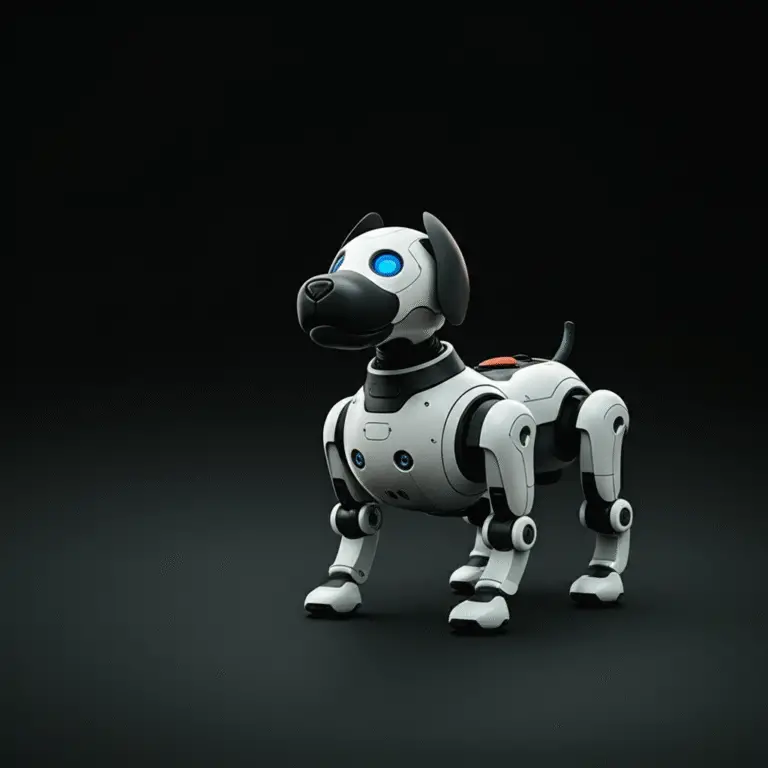
The Simrex AN-02 is a standout robot dog that combines smart programming, touch sensors, and fun tricks like handstands and push-ups. It even doubles as a Bluetooth speaker! Our Toy Brands™ kids were mesmerized by its LED eyes and dance moves. Perfect for kids 6+, it offers about 40 minutes of playtime per charge and comes with a remote control for easy interaction.
“Your kids are going to go crazy for this!” — Enthusiastic reviewer
👉 CHECK PRICE on:
- Zoomer Interactive Robot Dog: Amazon | Walmart | Spin Master Official Website
- FurReal Friends Ricky: Amazon | Walmart | Hasbro Official Website
- WowWe CHiP Robot Dog: Amazon | Walmart | WowWe Official Website
- Anki Vector: Amazon | Anki Official Website
- Tekno Newborns Interactive Puppy: Amazon | Tekno Official Website
- Simrex AN-02 Intelligent Bionic Robotic Dog: Amazon | Walmart | Simrex Official Website
We hope this deep dive helps you find the perfect robot dog toy that sparks joy and growth in your child. Ready to explore more? Check out our Robot Dog Toy category for the latest reviews and guides!