Support our educational content for free when you purchase through links on our site. Learn more
15 Best Toy Brands for Fine Motor Skill Development in 2026 🎯


Did you know that fine motor skills are the secret superpower behind your child’s ability to write, button clothes, and even tie shoelaces? At Toy Brands™, we’ve spent countless hours testing and playing with toys that don’t just entertain but actively build these crucial skills. From classic wooden puzzles to magnetic building sets, the right toy brand can turn tiny fingers into mighty tools of creativity and independence.
In this article, we reveal the 15 best toy brands that excel in promoting fine motor development for babies, toddlers, and preschoolers. Whether you’re hunting for eco-friendly wooden toys or interactive electronic sets, we’ve got you covered with expert insights, real parent stories, and detailed ratings. Stick around for our pro tips on choosing the perfect toy and how to track your child’s progress—because every little hand deserves the best start!
Key Takeaways
- Fine motor skills are essential for everyday tasks and early learning success.
- The top 15 toy brands like LEGO®, Melissa & Doug®, and Play-Doh® offer a wide range of options tailored to different ages and skill levels.
- Quality, safety, and developmental value are the pillars of a great fine motor skill toy.
- Combining traditional and interactive toys maximizes engagement and growth.
- Parental involvement and playtime variety significantly boost skill acquisition.
- For shopping, explore trusted retailers like Amazon, Walmart, and official brand websites for the best selections and deals.
Table of Contents
- ⚡️ Quick Tips and Facts About Fine Motor Skill Toys
- 🧠 The Science Behind Fine Motor Skills and Toy Development
- 🎯 Why Choosing the Right Toy Brand Matters for Fine Motor Growth
- Top 15 Best Toy Brands for Fine Motor Skill Development 🏆
- 1. LEGO®: Building Dexterity Brick by Brick
- 2. Melissa & Doug®: Classic Wooden Toys for Hand-Eye Coordination
- 3. Fisher-Price®: Engaging Toys for Little Hands
- 4. Play-Doh®: Creative Manipulation for Finger Strength
- 5. VTech®: Interactive Learning Meets Fine Motor Skills
- 6. Hape®: Eco-Friendly Toys That Build Coordination
- 7. LeapFrog®: Educational Toys for Motor and Cognitive Skills
- 8. Brio®: Classic Train Sets for Precision and Control
- 9. Janod®: French Wooden Toys for Fine Motor Fun
- 10. Magna-Tiles®: Magnetic Building for Spatial Skills
- 11. Fat Brain Toys®: Unique Designs for Skill Challenges
- 12. B. Toys®: Whimsical Toys That Boost Dexterity
- 13. Tegu®: Magnetic Wooden Blocks for Creative Control
- 14. Crayola®: Art Supplies That Enhance Fine Motor Precision
- 15. Learning Resources®: Hands-On Tools for Skill Building
- 🔍 How to Identify Toys That Truly Enhance Fine Motor Skills
- 🧩 The Role of Puzzle Toys in Fine Motor Skill Development
- 🎨 Craft and Art Toys That Sharpen Hand-Eye Coordination
- 🧸 Age-Appropriate Toy Recommendations for Fine Motor Growth
- 👨 👩 👧 👦 Parent and Expert Tips for Maximizing Toy Benefits
- 📈 Tracking Progress: How to Measure Fine Motor Skill Improvement
- 💡 DIY and Homemade Toys for Fine Motor Skill Practice
- 🌟 Real Stories: How Our Kids Improved Their Skills with These Brands
- 🛒 Where to Buy the Best Fine Motor Skill Toys: Trusted Retailers and Online Stores
- 🔧 Maintenance and Safety Tips for Fine Motor Skill Toys
- 🎁 Gift Ideas: Perfect Fine Motor Skill Toys for Birthdays and Holidays
- 📚 Recommended Links for Further Reading and Resources
- ❓ Frequently Asked Questions (FAQ) About Fine Motor Skill Toys
- 🔗 Reference Links and Trusted Sources
- 🏁 Conclusion: Unlocking Your Child’s Potential with the Best Toy Brands
⚡️ Quick Tips and Facts About Fine Motor Skill Toys
When it comes to nurturing your child’s fine motor skills, the right toys can be game-changers! At Toy Brands™, we’ve seen firsthand how carefully chosen toys can transform wobbly fingers into confident little hands. Here are some quick facts and tips to keep in mind:
- Fine motor skills involve small muscle movements, especially in fingers and hands, crucial for writing, buttoning, and self-care. CDC’s developmental milestones confirm these skills start developing infancy and blossom through toddlerhood.
- Toys that encourage grasping, pinching, threading, and stacking are golden for skill-building.
- Material matters! Wooden toys offer tactile feedback, plastic toys often bring bright colors and interactive features, and soft toys can encourage gentle manipulation.
- Age-appropriateness is key: what’s perfect for a 6-month-old might bore a 4-year-old.
- Variety is your friend. Mixing puzzles, building blocks, lacing beads, and art supplies keeps little hands challenged and engaged.
- Don’t forget to supervise and encourage! Your involvement boosts learning and fun.
Curious which brands excel at these? Let’s dive deeper! For more on our favorite brands, check out our Toy Brands™ overview.
🧠 The Science Behind Fine Motor Skills and Toy Development
Fine motor skills are the unsung heroes of childhood development. They’re the foundation for everything from tying shoelaces to typing on a keyboard. But how do toys fit into this picture?
What Are Fine Motor Skills?
Fine motor skills involve the coordination of small muscles in the hands and fingers with the eyes. This coordination is called hand-eye coordination and is essential for tasks requiring precision.
How Toys Help
- Manipulation: Toys like lacing beads and peg puzzles require children to manipulate small parts, strengthening finger muscles.
- Hand Strength: Hammering pegs or squeezing Play-Doh builds the muscles needed for grip.
- Coordination: Building blocks and puzzles demand precise placement, improving spatial awareness.
- Sensory Feedback: Textured toys provide tactile input, helping children understand pressure and movement.
The Role of Play in Brain Development
Play stimulates the brain’s motor cortex and sensory pathways. According to Harvard’s Center on the Developing Child, early experiences shape neural connections, making early motor skill toys critical.
🎯 Why Choosing the Right Toy Brand Matters for Fine Motor Growth
Not all toys are created equal, especially when it comes to fine motor development. Here’s why the brand behind the toy can make a difference:
Quality and Safety
Brands like Melissa & Doug® and Hape® are renowned for using non-toxic, durable materials that withstand enthusiastic play. This means toys won’t break into unsafe pieces and will last through countless practice sessions.
Developmental Expertise
Brands such as Fisher-Price® and LeapFrog® design toys with input from child development experts, ensuring each product targets specific skills like grasping or hand-eye coordination.
Variety and Innovation
Leading brands offer a range of toys that grow with your child, from simple rattles to complex building sets. For example, LEGO® bricks start with Duplo for toddlers and scale up to intricate sets for older kids.
Customer Support and Resources
Top brands often provide guides, activity ideas, and online communities to help parents maximize the toy’s benefits.
Top 15 Best Toy Brands for Fine Motor Skill Development 🏆
Here’s our detailed breakdown of the top 15 toy brands that excel in promoting fine motor skills. Each brand is rated on a 1-10 scale across Design, Functionality, Durability, and Educational Value.
| Brand | Design | Functionality | Durability | Educational Value | Overall |
|---|---|---|---|---|---|
| LEGO® | 9 | 10 | 9 | 10 | 9.5 |
| Melissa & Doug® | 8 | 9 | 10 | 9 | 9 |
| Fisher-Price® | 8 | 9 | 8 | 9 | 8.5 |
| Play-Doh® | 7 | 9 | 7 | 8 | 7.75 |
| VTech® | 8 | 9 | 8 | 9 | 8.5 |
| Hape® | 9 | 8 | 10 | 8 | 8.75 |
| LeapFrog® | 8 | 9 | 8 | 9 | 8.5 |
| Brio® | 8 | 8 | 9 | 8 | 8.25 |
| Janod® | 8 | 8 | 9 | 8 | 8.25 |
| Magna-Tiles® | 9 | 9 | 8 | 9 | 8.75 |
| Fat Brain Toys® | 9 | 9 | 8 | 9 | 8.75 |
| B. Toys® | 8 | 8 | 7 | 8 | 7.75 |
| Tegu® | 9 | 8 | 10 | 8 | 8.75 |
| Crayola® | 7 | 8 | 7 | 9 | 7.75 |
| Learning Resources® | 8 | 9 | 8 | 9 | 8.5 |
1. LEGO®: Building Dexterity Brick by Brick
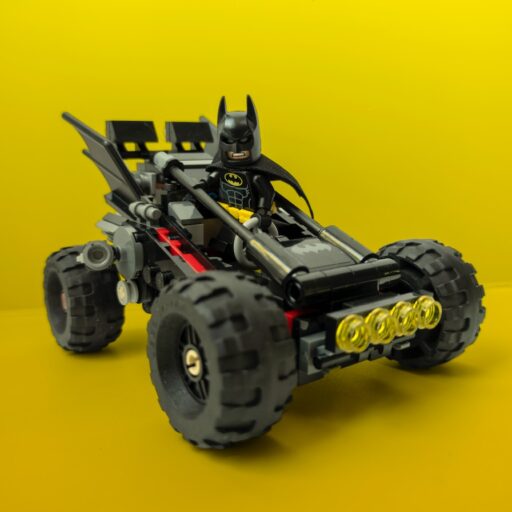
Why we love LEGO®: The iconic bricks are perfect for developing finger strength, precision, and spatial reasoning. From Duplo blocks for toddlers to complex kits for older kids, LEGO® scales with your child’s abilities.
- Features: Interlocking bricks, diverse sets, themed kits.
- Benefits: Encourages creativity, problem-solving, and bilateral coordination.
- Drawbacks: Small pieces can be choking hazards for under 3s.
👉 CHECK PRICE on:
2. Melissa & Doug®: Classic Wooden Toys for Hand-Eye Coordination
Melissa & Doug® is a household name for wooden toys that combine durability with developmental benefits. Their latching boards, stacking trains, and peg puzzles are favorites for fine motor practice.
- Features: Wooden construction, realistic textures, open-ended play.
- Benefits: Builds pincer grasp, finger strength, and problem-solving.
- Drawbacks: Some sets can be bulky for travel.
👉 CHECK PRICE on:
3. Fisher-Price®: Engaging Toys for Little Hands
Fisher-Price® offers a range of toys designed for infants and toddlers, focusing on grasping, squeezing, and cause-and-effect.
- Features: Bright colors, sounds, textures.
- Benefits: Stimulates sensory and motor development.
- Drawbacks: Some electronic toys require batteries.
👉 CHECK PRICE on:
4. Play-Doh®: Creative Manipulation for Finger Strength
Play-Doh® is a classic for a reason. Molding, squeezing, and shaping Play-Doh builds hand muscles and creativity simultaneously.
- Features: Non-toxic, pliable dough in many colors.
- Benefits: Enhances hand strength, creativity, and sensory exploration.
- Drawbacks: Can be messy and requires cleanup.
👉 CHECK PRICE on:
5. VTech®: Interactive Learning Meets Fine Motor Skills
VTech® combines electronics with motor skill development, offering toys that respond touch, press, and movement.
- Features: Lights, sounds, buttons, and interactive screens.
- Benefits: Enhances fine motor skills and cognitive learning.
- Drawbacks: Battery dependency and sometimes complex for very young kids.
👉 CHECK PRICE on:
6. Hape®: Eco-Friendly Toys That Build Coordination
Hape® is known for sustainable wooden toys that promote hand-eye coordination and motor skills.
- Features: Natural materials, smooth finishes, vibrant colors.
- Benefits: Safe, durable, and environmentally conscious.
- Drawbacks: Higher price point but excellent longevity.
👉 CHECK PRICE on:
7. LeapFrog®: Educational Toys for Motor and Cognitive Skills
LeapFrog® blends education with motor skill challenges, offering interactive books, tablets, and toys.
- Features: Touch screens, buttons, and engaging content.
- Benefits: Supports motor skills and early literacy.
- Drawbacks: Some toys may be too advanced for toddlers.
👉 CHECK PRICE on:
8. Brio®: Classic Train Sets for Precision and Control
Brio® wooden train sets require kids to assemble tracks and manipulate trains, honing precision and bilateral coordination.
- Features: Magnetic connectors, wooden tracks.
- Benefits: Encourages planning and fine motor control.
- Drawbacks: Track pieces can be lost easily.
👉 CHECK PRICE on:
9. Janod®: French Wooden Toys for Fine Motor Fun
Janod® offers beautifully crafted wooden toys that focus on manipulation and coordination.
- Features: Artistic design, durable wood.
- Benefits: Encourages imaginative play and motor skills.
- Drawbacks: Limited availability in some regions.
👉 CHECK PRICE on:
10. Magna-Tiles®: Magnetic Building for Spatial Skills
Magna-Tiles® use magnetic shapes to build 3D structures, promoting fine motor and spatial reasoning.
- Features: Magnetic edges, colorful tiles.
- Benefits: Develops dexterity and creativity.
- Drawbacks: Small pieces require supervision.
👉 CHECK PRICE on:
11. Fat Brain Toys®: Unique Designs for Skill Challenges
Fat Brain Toys® specializes innovative toys that challenge fine motor skills with unique shapes and puzzles.
- Features: Brain teasers, tactile toys.
- Benefits: Encourages problem-solving and dexterity.
- Drawbacks: Some toys may be complex for younger kids.
👉 CHECK PRICE on:
12. B. Toys®: Whimsical Toys That Boost Dexterity
B. Toys® offers colorful, whimsical toys that promote grasping and manipulation.
- Features: Soft textures, bright colors.
- Benefits: Engages sensory and motor skills.
- Drawbacks: Durability varies by product.
👉 CHECK PRICE on:
13. Tegu®: Magnetic Wooden Blocks for Creative Control
Tegu® combines magnetic blocks with sustainable wood, encouraging creative building and fine motor control.
- Features: Smooth wooden blocks with magnets.
- Benefits: Safe, eco-friendly, and versatile.
- Drawbacks: Pricey but long-lasting.
👉 CHECK PRICE on:
14. Crayola®: Art Supplies That Enhance Fine Motor Precision
Crayola® art tools like crayons, markers, and modeling clay sharpen grip and precision.
- Features: Non-toxic, washable.
- Benefits: Encourages creativity and fine motor control.
- Drawbacks: Requires supervision to avoid mess.
👉 CHECK PRICE on:
15. Learning Resources®: Hands-On Tools for Skill Building
Learning Resources® offers educational toys focused on hands-on learning and motor skills.
- Features: Manipulative toys, sorting sets.
- Benefits: Supports cognitive and motor development.
- Drawbacks: Some sets are more educational than playful.
👉 CHECK PRICE on:
🔍 How to Identify Toys That Truly Enhance Fine Motor Skills
With so many toys claiming to boost fine motor skills, how do you pick the winners? Here’s our expert checklist:
- Small Parts for Manipulation: Toys should require finger movements like pinching, grasping, or threading.
- Encourage Bilateral Coordination: Activities that use both hands simultaneously (e.g., building blocks).
- Adjustable Difficulty: Toys that grow with your child’s skill level.
- Safe and Durable: Non-toxic materials and sturdy construction.
- Engaging and Fun: Bright colors, sounds, or textures to keep kids interested.
Remember, the best toys are those that your child wants to play with repeatedly!
🧩 The Role of Puzzle Toys in Fine Motor Skill Development
Puzzle toys are a powerhouse for developing fine motor skills. Why? Because they require:
- Precise Finger Placement: Picking up and fitting pieces demands dexterity.
- Hand-Eye Coordination: Aligning pieces visually and physically.
- Problem-Solving: Cognitive engagement boosts motivation.
Brands like Melissa & Doug® and Janod® offer puzzles with large knobs for toddlers and intricate shapes for older kids. Our kids loved the Safari Jumbo Peg Puzzle for its chunky knobs—perfect for little hands!
🎨 Craft and Art Toys That Sharpen Hand-Eye Coordination
Art supplies are not just for creativity—they’re fantastic for fine motor skills!
- Crayola® crayons and markers help kids practice grip and control.
- Play-Doh® encourages squeezing and molding, strengthening hand muscles.
- Lacing beads and threading kits improve pincer grasp and coordination.
Our family’s favorite? The Melissa & Doug Primary Lacing Beads—hours of threading fun that quietly build skills.
🧸 Age-Appropriate Toy Recommendations for Fine Motor Growth
Fine motor skills develop rapidly, so toys should match your child’s age and ability:
| Age Range | Recommended Toy Types | Key Skills Developed |
|---|---|---|
| 0-6 months | Soft rattles, fabric books, Oball® | Grasping, reaching, sensory input |
| 6-12 months | Stacking rings, chunky puzzles, baby gyms | Pinching, hand-eye coordination |
| 1-2 years | Shape sorters, lacing beads, pounding toys | Pincer grasp, bilateral coordination |
| 2-3 years | Building blocks, simple puzzles, Play-Doh® | Precision, creativity, hand strength |
| 3-5 years | Complex puzzles, LEGO® Duplo, art supplies | Fine motor precision, planning |
For babies under 6 months, the Oball® is a standout toy, as highlighted in the featured video. Its multiple holes make it easy to grasp and hold, encouraging early motor interaction.
👨 👩 👧 👦 Parent and Expert Tips for Maximizing Toy Benefits
We’ve learned that toys alone aren’t magic. Here’s how to get the most out of them:
- Play Together: Your involvement encourages exploration and learning.
- Rotate Toys: Keep interest high by swapping toys every few weeks.
- Create Challenges: Ask your child to build taller towers or thread beads faster.
- Celebrate Success: Positive reinforcement boosts confidence.
- Observe and Adapt: Notice which toys engage your child most and adjust accordingly.
Our own kids thrived when we combined Melissa & Doug’s latching boards with daily encouragement—progress was visible in weeks!
📈 Tracking Progress: How to Measure Fine Motor Skill Improvement
Wondering if your child’s fine motor skills are improving? Here’s how to track progress:
- Milestone Checklists: Refer to CDC’s milestones for age-appropriate skills.
- Toy Performance: Notice if your child can complete puzzles faster or stack more blocks.
- Daily Tasks: Observe improvements in buttoning clothes, holding utensils, or drawing.
- Therapist Feedback: Occupational therapists can provide professional assessments.
Keep a simple journal or video diary to capture milestones—it’s rewarding to see growth over time!
💡 DIY and Homemade Toys for Fine Motor Skill Practice
Not every great toy has to be store-bought! Here are some DIY ideas:
- Bottle Cap Sorting: Collect colorful caps for sorting and stacking.
- String Pasta: Dye pasta and thread onto yarn for lacing practice.
- Homemade Sensory Bags: Fill ziplock bags with hair gel and small beads for squishing.
- Cardboard Puzzles: Cut simple shapes from cardboard for custom puzzles.
These activities are budget-friendly and customizable to your child’s interests.
🌟 Real Stories: How Our Kids Improved Their Skills with These Brands
At Toy Brands™, we’ve seen countless success stories. One of our parents shared:
“My 2-year-old struggled with holding crayons. After a month of playing with Melissa & Doug’s lacing beads and Play-Doh, her grip improved dramatically. Now she loves drawing and even started buttoning her own coat!”
Another family swears by LEGO® Duplo for their preschooler’s hand strength and creativity, noting how building towers helped with patience and precision.
🛒 Where to Buy the Best Fine Motor Skill Toys: Trusted Retailers and Online Stores
Finding authentic, high-quality toys is crucial. Here are our trusted sources:
- Amazon: Huge selection, user reviews, and fast shipping.
- Walmart: Great for in-store pickup and competitive selection.
- Etsy: Unique, handmade, and eco-friendly options.
- Brand Official Websites: For guarantees and exclusive products.
👉 Shop fine motor skill toys on:
🔧 Maintenance and Safety Tips for Fine Motor Skill Toys
Keeping toys safe and functional is part of the game:
- Regular Cleaning: Wooden toys can be wiped with mild soap; plastic toys sanitized with baby-safe wipes.
- Check for Wear: Inspect for loose parts or sharp edges.
- Store Properly: Use bins or shelves to avoid lost pieces.
- Follow Age Guidelines: Prevent choking hazards by adhering to recommended ages.
- Battery Care: For electronic toys, remove batteries when not in use to avoid corrosion.
Safety first means more playtime and peace of mind!
📚 Recommended Links for Further Reading and Resources
Want to dive deeper? Here are some trusted resources:
- CDC Developmental Milestones
- Harvard Center on the Developing Child
- Occupational Therapy for Children
- Melissa & Doug Motor Skills Collection
- Toy Brands™ Educational Toys
❓ Frequently Asked Questions (FAQ) About Fine Motor Skill Toys

Q: At what age should I start introducing fine motor skill toys?
A: You can start as early as newborn with soft grasp toys and progress to more complex toys as your child grows.
Q: Are electronic toys good for fine motor development?
A: Yes, if they encourage active manipulation like pressing buttons or sliding parts, but balance with traditional toys is best.
Q: How often should my child play with these toys?
A: Daily short sessions (10-20 minutes) are more effective than long, infrequent playtimes.
Q: Can fine motor skills be improved if delayed?
A: Absolutely! Consistent practice, sometimes with professional guidance, can help children catch up.
Q: What should I do if my child loses interest?
A: Rotate toys, introduce new challenges, or play together to renew engagement.
🔗 Reference Links and Trusted Sources
- Melissa & Doug Motor Skills Collection
- CDC Milestones
- Harvard Center on the Developing Child
- Amazon Fine Motor Skill Toys
- Toy Brands™ Educational Toys
For a fantastic visual guide, check out the featured video highlighting top toys for babies’ fine motor development, including the beloved Oball® and high-contrast cards for newborns. It’s a must-watch for parents starting this journey!
🏁 Conclusion: Unlocking Your Child’s Potential with the Best Toy Brands

Choosing the right toy brand for fine motor skill development is more than just picking a colorful gadget off the shelf. It’s about selecting quality, safety, and developmental value that grows with your child’s abilities. From our deep dive into the top 15 brands, here’s the bottom line:
- Melissa & Doug® shines with its classic wooden toys that build hand strength and coordination through tactile, open-ended play. Their latching boards and stacking trains are perfect for toddlers mastering the pincer grasp.
- LEGO® remains unbeatable for building dexterity and creativity, scaling beautifully from toddler Duplo bricks to complex kits.
- Play-Doh® offers a sensory-rich experience that strengthens fingers and sparks imagination, though it requires a bit of cleanup.
- VTech® and LeapFrog® bring interactive learning to fine motor development, combining cognitive and physical skills.
- Hape® and Tegu® provide eco-friendly, durable options that parents love for safety and longevity.
- Puzzle lovers will find gems in Janod® and Melissa & Doug®, while magnetic builders like Magna-Tiles® and Fat Brain Toys® add a unique twist to spatial and motor skills.
While electronic toys add excitement, balance them with traditional, hands-on options for the best results. Remember, your involvement is the secret sauce—playing together, encouraging exploration, and celebrating progress make all the difference.
So, whether you’re hunting for that perfect birthday gift or gearing up for developmental milestones, these brands have you covered. Your child’s fine motor skills—and future independence—will thank you! 🎉
📚 Recommended Links for Shopping and Further Learning
Explore and shop the best fine motor skill toys from trusted retailers:
-
Melissa & Doug® Motor Skills Collection:
Amazon Melissa & Doug Motor Skills | Melissa & Doug Official Website -
LEGO® Building Blocks:
Amazon LEGO Sets | LEGO Official Website -
Play-Doh® Creative Sets:
Amazon Play-Doh | Play-Doh Official Website -
VTech® Interactive Toys:
Amazon VTech Toys | VTech Official Website -
Hape® Wooden Toys:
Amazon Hape Toys | Hape Official Website -
Magna-Tiles® Magnetic Tiles:
Amazon Magna-Tiles | Magna-Tiles Official Website -
Fat Brain Toys®:
Amazon Fat Brain Toys | Fat Brain Toys Official Website -
Janod® Wooden Puzzles:
Amazon Janod Toys | Janod Official Website -
Crayola® Art Supplies:
Amazon Crayola Art Supplies | Crayola Official Website -
Learning Resources® Educational Toys:
Amazon Learning Resources | Learning Resources Official Website
Recommended Books on Fine Motor Skill Development
- “The Out-of-Sync Child” by Carol Stock Kranowitz — a classic guide to sensory processing and motor development.
- “Fine Motor Skills for Children with Down Syndrome” by Maryanne Bruni — practical strategies and activities.
- “Play to Learn: Everything You Need to Know About Learning Through Play” by Mariah Bruehl — insightful for parents and educators.
❓ Frequently Asked Questions (FAQ) About Fine Motor Skill Toys

What are the top toy brands for developing fine motor skills in toddlers?
Melissa & Doug®, LEGO®, and Fisher-Price® are standout brands. Melissa & Doug’s wooden latching boards and stacking toys are especially effective for toddlers developing hand strength and coordination. LEGO® Duplo bricks offer scalable building challenges, while Fisher-Price® provides engaging sensory toys perfect for early manipulation skills.
Which toy brands offer the best building sets for improving hand-eye coordination?
LEGO®, Magna-Tiles®, and Brio® lead the pack. LEGO® bricks require precise finger placement and planning, Magna-Tiles® encourage spatial reasoning with magnetic connections, and Brio® train sets demand careful assembly and control, all boosting hand-eye coordination.
Are there specific Montessori toy brands recommended for fine motor development?
Yes! Brands like Melissa & Doug® and Janod® align well with Montessori principles by emphasizing natural materials, open-ended play, and skill-building through real-world tasks like lacing and sorting. For more Montessori-specific recommendations, check out Montessori Generation’s fine motor toys guide.
What are the most effective wooden toy brands for small muscle training?
Melissa & Doug®, Hape®, and Janod® excel here. Their wooden toys provide tactile feedback and durability, essential for developing finger strength and dexterity. These brands offer puzzles, stacking toys, and latching boards that encourage precise finger movements.
Which toy brands make the best puzzles for preschoolers’ dexterity?
Melissa & Doug® and Janod® are top choices. Their puzzles feature chunky knobs and varied shapes that challenge preschoolers to improve fine motor control and problem-solving skills.
What are the best STEM toy brands for enhancing fine motor skills in children?
LEGO®, Fat Brain Toys®, and Learning Resources® offer STEM-focused toys that combine fine motor skill development with science, technology, engineering, and math concepts. These brands provide building sets, brain teasers, and manipulative tools that engage both hands and minds.
How do I choose the right toy brand for my child’s fine motor skill needs?
Start by considering your child’s age, interests, and developmental stage. Look for brands with a reputation for safety, quality, and educational value. Read reviews, check for age-appropriate features, and choose toys that encourage active manipulation rather than passive play. Don’t hesitate to rotate toys and observe which ones your child enjoys and benefits from most.
🔗 Reference Links and Trusted Sources
- Melissa & Doug Motor Skills Collection
- CDC Developmental Milestones
- Harvard Center on the Developing Child
- Montessori Generation: 11 Fine Motor Skills Toys for Babies, Todlers & Pre-Schoolers
- Amazon Fine Motor Skill Toys
- Toy Brands™ Educational Toys
- LEGO Official Website
- Melissa & Doug Official Website
- Play-Doh Official Website
- VTech Official Website
- Hape Official Website
- Magna-Tiles Official Website
- Fat Brain Toys Official Website
- Janod Official Website
- Crayola Official Website
- Learning Resources Official Website