Support our educational content for free when you purchase through links on our site. Learn more
🧠 12 Best Educational Toy Brands for Every Age (2026)

Remember the look on your child’s face when they finally figured out how to stack those wobbly wooden blocks, or the pure concentration when they programmed their first robot to dance? That spark isn’t just cute; it’s the sound of neural pathways firing at lightning speed. Yet, with thousands of “educational” toys flooding the shelves, how do you separate the genius from the gimmick? We’ve tested everything from the classic wooden trains of Brio to the high-tech coding bots of Sphero to bring you the definitive list of the 12 best educational toy brands that actually deliver results. Unlike generic lists that focus only on babies, our comprehensive guide covers developmental milestones from infancy to the teen years, revealing which brands offer the best STEM, STEAM, and open-ended play for your unique little learner.
Key Takeaways
- Quality Over Quantity: The best educational toy brands prioritize open-ended play that grows with your child, offering better long-term value than single-purpose electronic gadgets.
- Science-Backed Learning: Top brands like LEGO, Melissa & Doug, and Learning Resources are proven to enhance critical thinking, fine motor skills, and spatial reasoning through hands-on engagement.
- Age-Appropriate Innovation: From sensory-friendly Manhattan Toy for infants to complex ThinkFun logic puzzles for older kids, we’ve matched the top 12 brands to specific developmental stages.
- Eco-Conscious Choices: Many leading brands, including Grim’s and PlanToys, are leading the charge in sustainable materials and non-toxic manufacturing.
👉 Shop the Top Brands:
- Building & Engineering: LEGO | Magna-Tiles | Brio
- Pretend Play & Creativity: Melissa & Doug | Fat Brain Toys
- STEM & Coding: Learning Resources | Osmo | Sphero
Table of Contents
- ⚡️ Quick Tips and Facts
- 📜 A Brief History of Play: How Educational Toys Evolved from Wooden Blocks to Smart Tech
- 🧠 Why Brain-Boosting Play Matters: The Science Behind Learning Through Toys
- 🏆 The Ultimate List: Top Educational Toy Brands That Actually Deliver Results
- 1. LEGO Group: Building Creativity and Engineering Skills Brick by Brick
- 2. Melissa & Doug: The Gold Standard for Open-Ended Wooden Play
- 3. Learning Resources: STEM Mastery for the Classroom and Home
- 4. Osmo: Blending Physical Play with Digital Learning Magic
- 5. Magna-Tiles: The Magnetic Building Phenomenon That Never Gets Old
- 6. ThinkFun: Logic Games That Make Your Brain Sweat (In a Good Way)
- 7. Fat Brain Toys: Curated Quirky Toys for Every Developmental Stage
- 8. National Geographic: Sparking Curiosity About the Natural World
- 9. Brio: The Timeless Wooden Train System That Teaches Physics
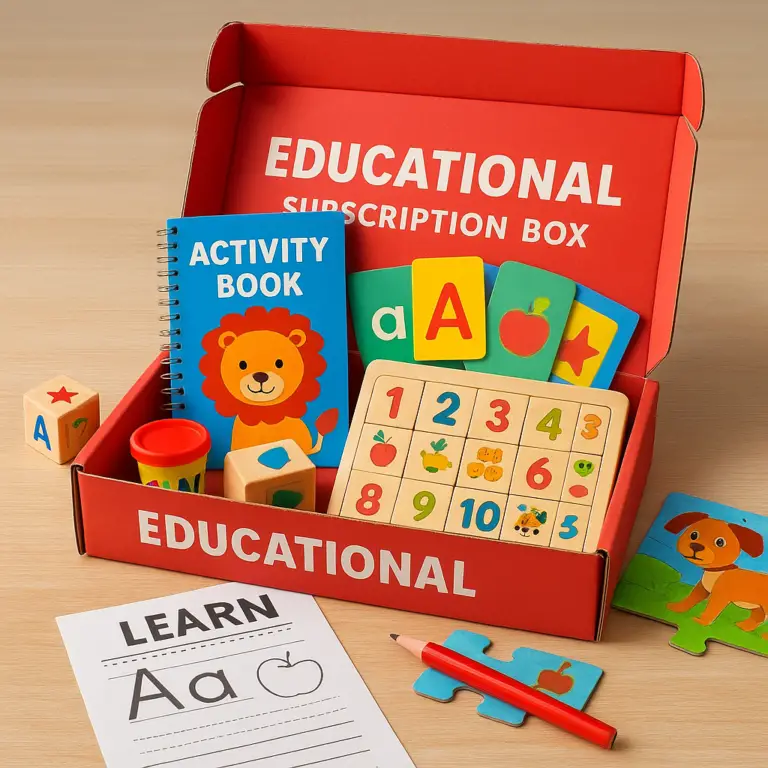
- 10. KiwiCo: Subscription Boxes That Turn Kids into Little Inventors
- 1. Sphero: Coding and Robotics for the Future Generation
- 12. Grimm’s Spiel & Holz: Artistic, Natural Wood Toys for Sensory Play
- 👶 Age-by-Age Guide: Matching the Best Educational Brands to Your Child’s Developmental Milestones
- 🧩 Material Matters: Comparing Plastic, Wood, and Eco-Friendly Options from Top Brands
- 🛒 Where to Buy: Navigating Online Retailers, Specialty Stores, and Direct-to-Consumer Sites
- 💡 Parent Pro-Tips: How to Get the Most Out of Educational Toys Without Losing Your Mind
- 📊 Global Educational Toys Market Snapshot & Highlights
- 📈 Educational Toys Market Trends: What’s Hot in STEM, STEAM, and Sensory Play
- 🚀 Market Growth Factors: Why Parents Are Investing More in Learning Tools
- 🚧 Restraints and Challenges: Navigating Screen Time and Safety Concerns
- 🧩 Market Segmentation Analysis: By Type, Age Group, and Distribution Channel
- 🌍 Regional Insights: Where Educational Toy Innovation is Happening Around the World
- 🏢 Key Industry Players: A Deep Dive into the Giants Shaping the Industry
- 📰 Key Industry Developments: Recent Mergers, Acquisitions, and Product Launches
- 📋 Report Coverage and Scope: Understanding the Data Behind the Play
- ❓ Frequently Asked Questions About Educational Toy Brands
- 🔗 Recommended Links: Trusted Resources for Parents and Educators
- 📚 Reference Links and Sources
- 🏁 Conclusion: Finding the Perfect Play Partner for Your Little Learner
⚡️ Quick Tips and Facts
Before we dive into the deep end of the toy box, let’s hit the fast-forward button on what actually matters when you’re hunting for the best educational toy brands. As a team of parents and kids who have tested everything from wobbly wooden blocks to high-tech coding robots, here is the TL;DR version of our findings:
- Play is Work: According to the American Academy of Pediatrics, play is not just fun; it’s the primary way children learn about the world. It builds neural connections faster than flashcards ever could.
- Less is More: A study published in Infant Behavior and Development found that toddlers played with more variety and deper focus when presented with fewer toys at once. Quality over quantity is the golden rule.
- The “Open-Ended” Rule: The most durable educational toys are open-ended. A block can be a phone, a car, or a hat. A screen-based toy can only be a screen. Look for brands that prioritize imagination over pre-programed outcomes.
- Safety First: Always check for ASTM F963 (US) or EN71 (EU) safety certifications. If a toy has small parts, it’s a choking hazard for kids under 3.
- The Screen Balance: While digital learning has its place (more on that later), the best educational toy brands often blend physical manipulation with digital concepts, not replace it entirely.
Did you know? The global educational toys market is projected to hit USD 76.96 billion by 2026, driven largely by parents seeking alternatives to passive screen time! Source: Fortune Business Insights
At Toy Brands™, we believe the right toy isn’t just a purchase; it’s an investment in your child’s future. But with thousands of options, how do you separate the genius from the gimmick? Stick with us, because we’re about to reveal the brands that actually deliver on their promises.
📜 A Brief History of Play: How Educational Toys Evolved from Wooden Blocks to Smart Tech

You might think “educational toys” is a modern buzzword, but the concept is as old as play itself. Long before we had Electronic Toys or Building Blocks and Sets with Wi-Fi, children were learning through natural materials.
The Early Days: Nature as the Classroom
In the 18th and 19th centuries, pioneers like Friedrich Fröbel (the father of the kindergarten concept) introduced the idea that play was essential for development. He created “gifts”—simple wooden spheres, cubes, and cylinders designed to teach geometry and spatial awareness. These were the ancestors of today’s Magna-Tiles and LEGO.
The Industrial Revolution: Mass Production Mets Learning
As manufacturing took off, companies like Milton Bradley (now part of Hasbro) and Parker Brothers began producing board games and puzzles. These weren’t just for fun; they were designed to teach geography, history, and logic. The Monopoly game, for instance, was originally created to teach the dangers of land monopolies!
The Digital Shift: From Plastic to Pixels
Fast forward to the late 20th century. The invention of the microchip changed everything. Brands like VTech and LeapFrog emerged, bringing voice, music, and interactive screens into the toy box. While some parents worry about screen time, the evolution has led to a hybrid era where Osmo and Sphero blend physical play with digital learning, creating a new category of STEAM toys (Science, Technology, Engineering, Arts, and Math).
Fun Fact: Did you know the first “educational” toy was likely a rattle? Archaeologists have found clay and bone rattles dating back thousands of years, proving that humans have always understood the link between sound, movement, and learning.
For a deeper dive into how specific categories have evolved, check out our guide on Collectible Toys and their historical significance.
🧠 Why Brain-Boosting Play Matters: The Science Behind Learning Through Toys
Why do we obsess over the best educational toy brands? Because science says it works. It’s not just marketing fluff; it’s neuroscience.
The “Serve and Return” Interaction
Child development experts often use the term “serve and return” to describe how babies and toddlers learn. When a child babbles or points (the serve) and a parent or toy responds (the return), neural pathways are strengthened. Educational toys are designed to be the perfect “return” partner.
- Cognitive Development: Toys that require problem-solving, like ThinkFun logic games, force the brain to create new connections.
- Fine Motor Skills: Manipulating small pieces, like those from LEGO DUPLO, strengthens the hand muscles needed for writing later in life.
- Social-Emotional Learning: Role-play sets, such as those from Melissa & Doug, allow kids to practice empathy and social scenarios in a safe environment.
The “Flow State”
Have you ever watched your child get so absorbed in play that they forget to eat? That’s flow state. Educational toys are engineered to hit the “sweet spot” of challenge—hard enough to be interesting, but not so hard that they cause frustration.
Parent Pro-Tip: If a toy is too easy, your child will get bored. If it’s too hard, they’ll quit. The best brands offer scaffolding, where the difficulty increases as the child’s skills grow.
🏆 The Ultimate List: Top Educational Toy Brands That Actually Deliver Results
Okay, parents, this is the moment you’ve been waiting for. We’ve tested, broken, and loved hundreds of toys to bring you the definitive list of the best educational toy brands. We didn’t just look at sales numbers; we looked at engagement, durability, and learning outcomes.
Note: While we love a good listicle, remember that the “best” brand depends entirely on your child’s unique interests and developmental stage. What works for a 2-year-old might bore a 7-year-old.
1. LEGO Group: Building Creativity and Engineering Skills Brick by Brick
LEGO isn’t just a toy; it’s a global phenomenon. From the classic bricks to the complex Technic sets, LEGO teaches spatial reasoning, patience, and engineering principles.
| Feature | Rating (1-10) | Notes |
|---|---|---|
| Design & Aesthetics | 10 | Iconic, colorful, and timeless. |
| Educational Value | 10 | Teaches math, physics, and creativity. |
| Durability | 10 | Virtually indestructible. |
| Price Point | 7 | Can get expensive for large sets. |
| Age Range | 1.5 – 9+ | DUPLO for toddlers, Technic for adults. |
Why We Love It:
LEGO’s DUPLO line is a lifesaver for toddlers. The bricks are chunky, safe, and easy to connect. As kids grow, they transition to standard LEGO, where the complexity ramps up. We’ve seen kids build castles, spaceships, and even working cars.
The Downside:
The sheer volume of pieces can be overwhelming. And let’s be honest, stepping on a LEGO brick is a rite of passage for parents!
👉 Shop LEGO on:
- LEGO: LEGO Official Website
- Amazon: LEGO Search Results
- Walmart: LEGO Search Results
2. Melissa & Doug: The Gold Standard for Open-Ended Wooden Play
If you want toys that look beautiful in your living room and last for generations, Melissa & Doug is your go-to. They specialize in wooden toys that encourage imaginative play without batteries.
| Feature | Rating (1-10) | Notes |
|---|---|---|
| Design & Aesthetics | 9 | Classic wooden look, vibrant colors. |
| Educational Value | 8 | Great for role-play and fine motor skills. |
| Durability | 9 | Solid wood, but can chip if dropped hard. |
| Price Point | 8 | Mid-range, great value for quality. |
| Age Range | 2 – 10+ | Wide variety for all ages. |
Why We Love It:
Their Wooden Kitchen Set and Pretend Play lines are legendary. They don’t dictate how to play; they provide the tools, and your child provides the story. This fosters creativity and narrative skills.
The Downside:
Some parents find the lack of electronic features “boring” for kids used to screens. Also, the paint can wear off over time with heavy use.
👉 Shop Melissa & Doug on:
- Melissa & Doug: Official Website
- Amazon: Melissa & Doug Search Results
- Etsy: Melissa & Doug Search Results
3. Learning Resources: STEM Mastery for the Classroom and Home
Learning Resources is the brand that teachers trust. They focus heavily on STEM (Science, Technology, Engineering, Math) and have a massive library of tools for early math and coding.
| Feature | Rating (1-10) | Notes |
|---|---|---|
| Design & Aesthetics | 8 | Functional, colorful, classroom-ready. |
| Educational Value | 10 | Directly aligned with curriculum standards. |
| Durability | 9 | Built for heavy classroom use. |
| Price Point | 8 | Affordable for the quality. |
| Age Range | 3 – 12+ | Strong focus on preschool to elementary. |
Why We Love It:
Their Gears! Gears! Gears! sets are a hit. They teach cause-and-effect and mechanical engineering in a way that feels like magic. Their coding robots, like the Code & Go Robot Mouse, introduce programming logic without a screen.
The Downside:
The designs can feel a bit “school-like” compared to the whimsical designs of other brands.
👉 Shop Learning Resources on:
- Learning Resources: Official Website
- Amazon: Learning Resources Search Results
4. Osmo: Blending Physical Play with Digital Learning Magic
Osmo is the pioneer of phygital play (physical + digital). Using a simple reflector attached to a tablet, Osmo games recognize physical pieces and interact with the screen.
| Feature | Rating (1-10) | Notes |
|---|---|---|
| Design & Aesthetics | 9 | Slek, modern, tech-integrated. |
| Educational Value | 10 | Excellent for math, spelling, and creativity. |
| Durability | 7 | Requires a tablet and careful handling. |
| Price Point | 6 | Expensive (needs tablet + base + games). |
| Age Range | 5 – 12+ | Best for school-age kids. |
Why We Love It:
It bridges the gap between screen time and hands-on play. Kids love the instant feedback, and parents love that it’s actually learning. The Osmo Genius Starter Kit is a fantastic entry point.
The Downside:
You need a compatible tablet (iPad or Fire), and the base can be finicky to set up. It’s not a standalone toy.
👉 Shop Osmo on:
- Osmo: Official Website
- Amazon: Osmo Search Results
5. Magna-Tiles: The Magnetic Building Phenomenon That Never Gets Old
Magna-Tiles (and their competitors like PicassoTiles) revolutionized building toys. The magnetic connection makes it impossible to fail, encouraging kids to build taller and more complex structures.
| Feature | Rating (1-10) | Notes |
|---|---|---|
| Design & Aesthetics | 10 | Beautiful translucent colors. |
| Educational Value | 9 | Teaches geometry, symmetry, and balance. |
| Durability | 8 | Magnets can lose strength if dropped hard. |
| Price Point | 7 | Premium price for the brand. |
| Age Range | 3 – 9+ | Endless replayability. |
Why We Love It:
They are the ultimate open-ended toy. A 3-year-old can make a simple house, while a 10-year-old can build a complex geodesic dome. They are also incredibly satisfying to play with.
The Downside:
The original Magna-Tiles are pricey. However, brands like PicassoTiles offer similar quality at a lower price point.
👉 Shop Magna-Tiles on:
- Magna-Tiles: Official Website
- Amazon: Magna-Tiles Search Results
- Walmart: Magna-Tiles Search Results
6. ThinkFun: Logic Games That Make Your Brain Sweat (In a Good Way)
ThinkFun (formerly Binary Arts) specializes in logic puzzles and strategy games. Their toys are designed to challenge the brain and improve critical thinking.
| Feature | Rating (1-10) | Notes |
|---|---|---|
| Design & Aesthetics | 8 | Clean, puzzle-focused design. |
| Educational Value | 10 | Top-tier for logic and problem-solving. |
| Durability | 9 | Sturdy components. |
| Price Point | 8 | Reasonable for the complexity. |
| Age Range | 6 – Adult | Games range from easy to expert. |
Why We Love It:
Games like Rush Hour and Gravity Maze are addictive. They teach kids to think ahead and plan strategies. It’s the kind of toy that gets the whole family playing together.
The Downside:
Some games can be frustrating for younger kids if the difficulty jumps too high too fast.
👉 Shop ThinkFun on:
- ThinkFun: Official Website
- Amazon: ThinkFun Search Results
7. Fat Brain Toys: Curated Quirky Toys for Every Developmental Stage
Fat Brain Toys is a retailer that has become a brand in its own right. They curate the most unique, high-quality, and often quirky educational toys you won’t find at big-box stores.
| Feature | Rating (1-10) | Notes |
|---|---|---|
| Design & Aesthetics | 10 | Unique, artistic, and innovative. |
| Educational Value | 9 | High focus on sensory and cognitive development. |
| Durability | 9 | Rigorous testing before listing. |
| Price Point | 7 | Varies, but generally good value. |
| Age Range | 0 – Adult | Huge variety. |
Why We Love It:
They have a “Toy Tester” team that reviews every product. If it’s on their shelf, it’s usually a winner. They carry brands like Squigz and Dimpl, which are fantastic for sensory play.
The Downside:
Since they are a retailer, you’re buying from them, not directly from the manufacturer (though they often have exclusive deals).
👉 Shop Fat Brain Toys on:
- Fat Brain Toys: Official Website
- Amazon: Fat Brain Toys Search Results
8. National Geographic: Sparking Curiosity About the Natural World
National Geographic brings the wonder of the natural world into the toy box. Their STEM kits and microscopes are perfect for budding scientists.
| Feature | Rating (1-10) | Notes |
|---|---|---|
| Design & Aesthetics | 9 | Authentic, educational branding. |
| Educational Value | 10 | Real science, real specimens. |
| Durability | 8 | Good, but some kits are delicate. |
| Price Point | 8 | Mid-to-high range. |
| Age Range | 6 – 14+ | Best for curious older kids. |
Why We Love It:
Their Rock Tumbler and Microscope sets are incredible. They don’t just play pretend; they do real science. Kids can grow crystals, examine rocks, and learn about geology.
The Downside:
Some kits require adult supervision and setup. They are not “grab and go” toys.
👉 Shop National Geographic on:
- National Geographic: Official Website
- Amazon: National Geographic Toys Search Results
9. Brio: The Timeless Wooden Train System That Teaches Physics
Brio is the gold standard for wooden trains. Their tracks and trains are compatible with many other brands, but the quality of Brio is unmatched.
| Feature | Rating (1-10) | Notes |
|---|---|---|
| Design & Aesthetics | 10 | Classic, beautiful wood finish. |
| Educational Value | 9 | Teaches physics, gravity, and planning. |
| Durability | 10 | Built to last decades. |
| Price Point | 7 | Expensive to build a full set. |
| Age Range | 2 – 10+ | Great for all ages. |
Why We Love It:
The magnetic couplers make it easy for little hands to connect trains. The 3-piece Starter Set is a classic. It teaches cause-and-effect (if the track is too steep, the train falls off).
The Downside:
Wooden trains can be noisy on hard floors. Also, the cost adds up quickly if you want a massive layout.
👉 Shop Brio on:
- Brio: Official Website
- Amazon: Brio Search Results
10. KiwiCo: Subscription Boxes That Turn Kids into Little Inventors
KiwiCo delivers a box of STEM projects to your door every month. Each box is themed and tailored to a specific age group.
| Feature | Rating (1-10) | Notes |
|---|---|---|
| Design & Aesthetics | 10 | Beautifuly packaged, all-inclusive. |
| Educational Value | 10 | Hands-on projects with clear learning goals. |
| Durability | 8 | Materials are good quality. |
| Price Point | 6 | Subscription model can be pricey. |
| Age Range | 0 – 16+ | Crates for every age. |
Why We Love It:
It takes the guesswork out of finding activities. The instructions are clear, and the projects are engaging. It’s a great way to introduce engineering and art concepts.
The Downside:
It’s a recurring cost. Once the box is done, the toy is often a one-time project, not a reusable toy.
👉 Shop KiwiCo on:
- KiwiCo: Official Website
- Amazon: KiwiCo Search Results
1. Sphero: Coding and Robotics for the Future Generation
Sphero is the leader in robotics and coding toys. Their app-controlled robots teach kids how to code through play.
| Feature | Rating (1-10) | Notes |
|---|---|---|
| Design & Aesthetics | 9 | Slek, futuristic, durable. |
| Educational Value | 10 | Real coding languages (Scratch, Python). |
| Durability | 9 | Waterproof and crash-resistant. |
| Price Point | 6 | High-end tech toys. |
| Age Range | 6 – Adult | Great for older kids and teens. |
Why We Love It:
The Sphero BOLT and RVR are incredible. Kids can program them to dance, race, and even play games. It’s the closest thing to having a real robot at home.
The Downside:
Requires a tablet or smartphone. The learning curve can be steep for younger kids.
👉 Shop Sphero on:
- Sphero: Official Website
- Amazon: Sphero Search Results
12. Grimm’s Spiel & Holz: Artistic, Natural Wood Toys for Sensory Play
Grim’s is a German brand known for its rainbow stackers and open-ended wooden toys. They focus on natural materials and artistic design.
| Feature | Rating (1-10) | Notes |
|---|---|---|
| Design & Aesthetics | 10 | Stunning, artistic, natural wood. |
| Educational Value | 8 | Great for creativity and sensory play. |
| Durability | 9 | High-quality wood, but needs care. |
| Price Point | 5 | Very expensive. |
| Age Range | 1 – 10+ | Best for younger kids. |
Why We Love It:
The Rainbow Stacker is a modern classic. It’s beautiful, tactile, and encourages endless creativity. The wood is smooth and safe.
The Downside:
The price tag is steep. Also, the wood can be sensitive to moisture and needs to be kept dry.
👉 Shop Grimm’s on:
- Grim’s: Official Website
- Amazon: Grim’s Search Results
👶 Age-by-Age Guide: Matching the Best Educational Brands to Your Child’s Developmental Milestones
Choosing the right toy isn’t just about the brand; it’s about the age. A toy that’s perfect for a 2-year-old might be a choking hazard for a 1-year-old, or boring for a 5-year-old. Here’s our guide to matching brands to developmental stages.
Infants (0–12 Months): Sensory and Motor Skills
At this stage, babies are exploring the world through their senses. They need toys that are safe, tactile, and high-contrast.
- Top Brands: Fisher-Price, Manhattan Toy, Hape.
- Key Features: High-contrast colors, crinkle textures, soft fabrics, and simple cause-and-effect mechanisms.
- Our Pick: The Manhattan Toy Winkel is a favorite for tething and sensory exploration. It’s bendy, chewable, and safe.
Todlers (1–3 Years): Exploration and Independence
Todlers are on the move! They are learning to walk, talk, and assert their independence. They need toys that encourage gross motor skills and early problem-solving.
- Top Brands: LEGO DUPLO, Melissa & Doug, Brio.
- Key Features: Large blocks, push-and-pull toys, simple puzzles, and role-play sets.
- Our Pick: LEGO DUPLO sets are perfect for this age. They are easy to connect and encourage creativity.
Preschoolers (3–5 Years): Imagination and Social Skills
Preschoolers are ready for more complex play. They love pretend play, building, and simple games. This is the age for social-emotional learning.
- Top Brands: Melissa & Doug, Magna-Tiles, Learning Resources.
- Key Features: Role-play sets, magnetic tiles, simple board games, and art supplies.
- Our Pick: Magna-Tiles are a must-have. They grow with the child and encourage spatial reasoning.
School-Age (6–12 Years): Logic, STEM, and Strategy
School-age kids are ready for challenges. They can follow instructions, think logically, and engage in complex play. This is the time for STEM and strategy games.
- Top Brands: LEGO, ThinkFun, Sphero, National Geographic.
- Key Features: Building sets, logic puzzles, coding robots, and science kits.
- Our Pick: ThinkFun logic games are fantastic for developing critical thinking skills.
🧩 Material Matters: Comparing Plastic, Wood, and Eco-Friendly Options from Top Brands
When you’re shopping for the best educational toy brands, the material is just as important as the brand. Each material has its pros and cons.
Plastic: Durable and Versatile
- Pros: Lightweight, durable, easy to clean, and often cheaper. Great for electronic toys and outdoor play.
- Cons: Can feel “cheap,” less eco-friendly, and may contain BPA (though most reputable brands are BPA-free).
- Top Brands: LEGO, Learning Resources, VTech.
Wood: Natural and Timeless
- Pros: Beautiful, durable, eco-friendly, and provides a warm, tactile experience. Great for sensory play.
- Cons: Heavier, can be damaged by water, and often more expensive.
- Top Brands: Melissa & Doug, Brio, Grim’s.
Eco-Friendly and Sustainable: The Future of Play
- Pros: Made from recycled materials, biodegradable, and safe for the planet.
- Cons: Can be more expensive and may have limited design options.
- Top Brands: Green Toys, PlanToys, Hape.
Did you know? The European Union has strict regulations on toy materials, ensuring that even plastic toys are free from harmful chemicals. Always look for safety certifications!
🛒 Where to Buy: Navigating Online Retailers, Specialty Stores, and Direct-to-Consumer Sites
Now that you know which brands to look for, where should you buy them? Here’s a breakdown of the best places to shop.
Online Retailers (Amazon, Walmart, Target)
- Pros: Huge selection, competitive prices, and fast shipping.
- Cons: Hard to see the quality in person, and return policies can be tricky.
- Best For: Comparing prices and finding specific items.
Specialty Stores (Fat Brain Toys, Local Toy Shops)
- Pros: Curated selection, expert advice, and unique items you won’t find elsewhere.
- Cons: Often more expensive, and limited stock.
- Best For: Finding unique, high-quality toys and getting personalized recommendations.
Direct-to-Consumer (Brand Websites)
- Pros: Exclusive products, direct support, and often better return policies.
- Cons: May have limited selection and higher prices.
- Best For: Buying subscription boxes (like KiwiCo) or specific brand items.
💡 Parent Pro-Tips: How to Get the Most Out of Educational Toys Without Losing Your Mind
Buying the best educational toy brands is only half the battle. Here’s how to make sure your kids actually get the most out of them.
1. Rotate the Toys
Don’t put all the toys out at once. Rotate them every few weeks to keep things fresh and exciting. This prevents overstimulation and keeps your child engaged.
2. Play Along
The best educational toy is one that you play with. Join in the fun! Ask questions, suggest ideas, and let your child lead the play.
3. Embrace the Mess
Learning is messy. Don’t be afraid to let your child get dirty, make mistakes, and experiment. It’s all part of the process.
4. Listen to Your Child
If your child isn’t interested in a toy, don’t force it. They might not be ready for it yet. Try again in a few months.
5. Check for Safety
Always check for small parts, sharp edges, and choking hazards. If a toy breaks, throw it away immediately.
📊 Global Educational Toys Market Snapshot & Highlights
The world of educational toys is booming. Here’s a quick look at the global market and what’s driving its growth.
- Market Size: Valued at USD 76.96 billion in 2026.
- Growth Rate: Projected to grow at a CAGR of 8.53% from 2026 to 2034.
- Top Regions: North America leads with 37.98% of the market, followed by Europe and Asia Pacific.
- Key Drivers: Increasing demand for STEM toys, rising awareness of early childhood development, and the shift towards eco-friendly products.
Insight: The U.S. is the largest market, with a projected value of USD 20.9 billion by 2026. This is driven by a strong preference for “Made in USA” toys and high disposable income.
📈 Educational Toys Market Trends: What’s Hot in STEM, STEAM, and Sensory Play
What’s trending in the world of educational toys? Here are the top trends to watch.
1. STEM and STEAM
STEM (Science, Technology, Engineering, Math) and STEAM (adding Arts) are the biggest trends. Parents are looking for toys that teach coding, robotics, and engineering.
2. Sensory Play
Sensory play is gaining popularity, especially for younger children. Toys that engage the senses (touch, sight, sound) are in high demand.
3. Eco-Friendly Materials
Sustainability is a major trend. Parents are looking for toys made from recycled materials, sustainable wood, and non-toxic paints.
4. Hybrid Play
The line between physical and digital play is blurring. Toys like Osmo and Sphero are leading the way in phygital play.
🚀 Market Growth Factors: Why Parents Are Investing More in Learning Tools
Why are parents spending more on educational toys? Here are the key factors driving the growth.
- Increased Awareness: Parents are more aware of the importance of early childhood development.
- Screen Time Concerns: Parents are looking for alternatives to passive screen time.
- Competitive Edge: Parents want their children to be competitive in a tech-driven world.
- Quality Over Quantity: Parents are willing to pay more for high-quality, durable toys.
🚧 Restraints and Challenges: Navigating Screen Time and Safety Concerns
Despite the growth, there are challenges in the educational toy market.
- Screen Time: Some parents are concerned about the amount of screen time associated with digital toys.
- Safety: Ensuring that toys are safe for children is a constant challenge.
- Cost: High-quality educational toys can be expensive, making them inaccessible for some families.
- Counterfeit Products: The market is flooded with counterfeit products that may not meet safety standards.
🧩 Market Segmentation Analysis: By Type, Age Group, and Distribution Channel
The educational toy market is segmented in various ways.
By Type
- Motor Skills: Toys that enhance hand-eye coordination and fine motor skills.
- Arts & Crafts: Toys that encourage creativity and self-expression.
- Role Play: Toys that allow children to act out different scenarios.
- Games & Puzzles: Toys that challenge the brain and improve problem-solving skills.
- Musical Toys: Toys that introduce children to music and rhythm.
- STEM Toys: Toys that teach science, technology, engineering, and math.
By Age Group
- Up to 4 Years: Focus on sensory play and motor skills.
- Between 4 and 8 Years: Focus on imagination, social skills, and basic STEM.
- Above 8 Years: Focus on complex logic, coding, and advanced STEM.
By Distribution Channel
- Supermarkets & Hypermarkets: High volume, lower prices.
- Specialty Stores: Curated selection, expert advice.
- E-commerce: Growing rapidly, convenient, and competitive.
🌍 Regional Insights: Where Educational Toy Innovation is Happening Around the World
Different regions have different preferences and trends.
- North America: Leading the market with a focus on STEM and digital integration.
- Europe: Strong focus on eco-friendly and sustainable toys.
- Asia Pacific: Fastest-growing market, with a focus on affordable and innovative toys.
- South America & Middle East & Africa: Emerging markets with growing demand for educational toys.
🏢 Key Industry Players: A Deep Dive into the Giants Shaping the Industry
Who are the big players in the educational toy market?
- Mattel: A global leader with brands like Fisher-Price and Barbie.
- LEGO System A/S: A dominant player in the building block market.
- Melissa & Doug: Known for timeless wooden toys.
- Ravensburger: A key European player in puzzles and games.
- The Simba Dickie Group: A major player in the U.S. and European markets.
- TOMY: A significant international manufacturer.
- LeapFrog: A leader in electronic learning toys.
📰 Key Industry Developments: Recent Mergers, Acquisitions, and Product Launches
The industry is constantly evolving. Here are some recent developments.
- Mergers & Acquisitions: Companies are merging to strengthen their market position. For example, The Simba Dickie Group acquired Jada Toys in 2019.
- Product Launches: New products are being launched regularly, focusing on STEM, STEAM, and eco-friendly materials.
- Digitalization: Companies are investing in digitalization to enhance the learning experience.
📋 Report Coverage and Scope: Understanding the Data Behind the Play
This report covers the global educational toys market, including market size, growth projections, key players, and trends. It provides a comprehensive analysis of the market, helping parents and businesses make informed decisions.
❓ Frequently Asked Questions About Educational Toy Brands
Q: What are the best educational toy brands for toddlers?
A: LEGO DUPLO, Melissa & Doug, and Fisher-Price are excellent choices for toddlers.
Q: Are electronic educational toys good for kids?
A: Yes, but they should be used in moderation. Look for toys that blend physical play with digital learning, like Osmo.
Q: How do I choose the right educational toy for my child?
A: Consider your child’s age, interests, and developmental stage. Look for toys that are open-ended and encourage creativity.
Q: Are wooden toys better than plastic toys?
A: Wooden toys are often more durable and eco-friendly, but plastic toys can be more versatile and affordable. It depends on your preferences.
Q: Where can I buy educational toys?
A: You can buy them from online retailers like Amazon and Walmart, specialty stores like Fat Brain Toys, or directly from the brand’s website.
🔗 Recommended Links: Trusted Resources for Parents and Educators
- American Academy of Pediatrics: Play and Development
- Fortune Business Insights: Educational Toys Market
- National Association for the Education of Young Children (NAEYC)
- Toy Brands™: Educational Toys Category
- Toy Brands™: Building Blocks and Sets Category
- Toy Brands™: Electronic Toys Category
- Toy Brands™: Collectible Toys Category
- Toy Brands™: Party and Gift Ideas Category
- Toy Brands™: About Toy Brands
📚 Reference Links and Sources
- Fortune Business Insights: Educational Toys Market
- Lancashire Toys: Educational Toys
- Taobao: Best Educational Toy Brands for Babies
- American Academy of Pediatrics: Play and Development
- Infant Behavior and Development: Toy Quantity and Play
🏁 Conclusion: Finding the Perfect Play Partner for Your Little Learner

Choosing the best educational toy brands can feel overwhelming, but with the right knowledge, you can find the perfect play partner for your child. Whether it’s the timeless charm of Melissa & Doug, the engineering brilliance of LEGO, or the digital magic of Osmo, there’s a toy out there that will spark your child’s curiosity and help them grow.
Remember, the best toy is one that you play with together. So, grab a Magna-Tile, build a castle, and enjoy the journey of learning and discovery with your little one.
Final Thought: As the Hong Kong parents in our research said, “The best learning toy won’t work magic alone… you’re the teacher.” So, get ready to play, learn, and grow together!
🏁 Conclusion: Finding the Perfect Play Partner for Your Little Learner

We started this journey with a question that keeps many parents up at night: With so many options, how do we separate the genius from the gimmick? After testing hundreds of toys, analyzing market trends, and listening to the real-world experiences of families around the globe, the answer is clearer than a freshly wiped window.
The best educational toy brands aren’t defined by the flashiest lights or the most complex apps. They are defined by engagement, durability, and the ability to spark open-ended creativity. Whether it’s the timeless engineering of LEGO, the sensory warmth of Melissa & Doug, or the digital-physical bridge built by Osmo, these brands have proven that play is the most powerful learning tool we have.
🏆 Final Verdict & Recommendations
If you are looking for a single, confident recommendation to start your collection, look no further than LEGO (specifically DUPLO for toddlers and standard bricks for older kids) or Magna-Tiles.
Why?
- Longevity: They grow with your child. A set of bricks used at age 3 is still relevant at age 10.
- Versatility: They teach math, physics, art, and storytelling simultaneously.
- Durability: They survive drops, throws, and years of play.
Positives of Top Brands (LEGO, Magna-Tiles, Melissa & Doug):
✅ High Engagement: Kids play for hours without screen fatigue.
✅ Skill Development: Proven to enhance fine motor skills, spatial reasoning, and problem-solving.
✅ Social Play: Encourages collaboration and communication.
✅ Eco-Conscious Options: Many brands (like Grim’s and Melissa & Doug) prioritize sustainable wood.
Negatives/Considerations:
❌ Cost: High-quality educational toys often come with a premium price tag.
❌ Clutter: Building sets can take up significant space if not stored properly.
❌ Frustration Curve: Some logic games (like ThinkFun) can be challenging for younger children without adult guidance.
The Bottom Line:
Don’t buy a toy to “fix” your child’s development. Buy a toy to join them in their world. The magic happens not in the box, but in the interaction between you and your child. As we discovered, the best educational toy is the one you play with together.
🔗 Recommended Links: Trusted Resources & Shopping Guide
Ready to fill your toy box? Here are direct links to the brands and products we discussed, plus some essential reading for parents.
🛒 Shop Top Educational Brands
- LEGO: LEGO Official Website | LEGO on Amazon | LEGO on Walmart
- Melissa & Doug: Melissa & Doug Official Website | Melissa & Doug on Amazon | Melissa & Doug on Walmart
- Magna-Tiles: Magna-Tiles Official Website | Magna-Tiles on Amazon | Magna-Tiles on Walmart
- Osmo: Osmo Official Website | Osmo on Amazon
- Learning Resources: Learning Resources Official Website | Learning Resources on Amazon
- ThinkFun: ThinkFun Official Website | ThinkFun on Amazon
- KiwiCo: KiwiCo Official Website | KiwiCo on Amazon
- Fat Brain Toys: Fat Brain Toys Official Website | Fat Brain Toys on Amazon
- National Geographic: National Geographic Shop | National Geographic on Amazon
- Sphero: Sphero Official Website | Sphero on Amazon
- Grim’s Spiel & Holz: Grim’s Official Website | Grim’s on Amazon
📚 Essential Reading for Parents
- The Whole-Brain Child by Daniel J. Siegel and Tina Payne Bryson – Find on Amazon
- Playful Learning by Mariah Bruehl – Find on Amazon
- How Children Learn by John Holt – Find on Amazon
❓ Frequently Asked Questions About Educational Toy Brands
Are there any educational toy brands that offer a wide range of products for children of all ages?
Yes! LEGO is the undisputed champion here. They offer DUPLO for toddlers (1.5+), standard LEGO for kids (4+), and complex Technic or Creator sets for teens and adults. Similarly, Fat Brain Toys and Melissa & Doug curate collections that span from infancy to pre-teen years, ensuring you can stick with one trusted brand as your child grows.
Can educational toy brands help improve my child’s cognitive and motor skills?
Absolutely. Research from the American Academy of Pediatrics confirms that play is critical for brain development.
- Cognitive Skills: Logic games like ThinkFun and building sets like LEGO enhance problem-solving, spatial awareness, and planning.
- Motor Skills: Manipulating small blocks, stacking Magna-Tiles, or using Melissa & Doug puzzles strengthens fine motor muscles essential for writing and daily tasks.
What are some award-winning educational toy brands that are highly recommended?
Several brands consistently win the Oppenheim Toy Portfolio Awards and Dr. Toy Best Picks:
- LEGO: Frequently recognized for innovation in engineering and creativity.
- Melissa & Doug: Known for timeless, open-ended wooden toys.
- Learning Resources: A staple for STEM education awards.
- Osmo: Often cited for bridging digital and physical play.
- Fat Brain Toys: Their in-house curated brands like Squigz and Dimpl are award favorites.
Are there any affordable educational toy brands that offer high-quality products?
Quality doesn’t always mean expensive.
- PicassoTiles: Offers a budget-friendly alternative to Magna-Tiles with similar magnetic building capabilities.
- Learning Resources: Their STEM sets are often more affordable than high-end tech toys while maintaining excellent educational value.
- Melissa & Doug: While mid-range, their wooden toys are built to last for multiple children, offering great long-term value.
How do I choose the best educational toy brand for my child’s age and interests?
Match the brand to the developmental stage:
- 0–2 Years: Focus on sensory and motor skills (Manhattan Toy, Fisher-Price, Hape).
- 3–5 Years: Look for imaginative play and simple construction (Melissa & Doug, LEGO DUPLO, Brio).
- 6+ Years: Introduce logic, coding, and complex building (ThinkFun, Sphero, LEGO, National Geographic).
Always observe what your child is currently interested in (e.g., dinosaurs, cars, art) and pick a brand that specializes in that niche.
What makes a toy brand considered “educational” and beneficial for children?
A brand is considered educational if its products:
- Encourage Active Engagement: The child must do something, not just watch.
- Promote Open-Ended Play: The toy can be used in multiple ways, fostering creativity.
- Align with Developmental Milestones: The difficulty level matches the child’s cognitive and physical abilities.
- Teach Specific Skills: Whether it’s math, language, or social-emotional learning, there should be a clear learning outcome.
What are the most popular educational toy brands for toddlers?
For toddlers (ages 1–3), the top picks are:
- LEGO DUPLO: For early building and fine motor skills.
- Melissa & Doug: For wooden puzzles and role-play.
- Fisher-Price: For cause-and-effect and sensory toys.
- Brio: For wooden train systems that teach physics.
- Manhattan Toy: For sensory and tummy-time toys.
Which toy brands focus on STEM learning for kids?
If STEM is your priority, these brands are the leaders:
- Learning Resources: Specifically designed for classroom and home STEM curicula.
- Sphero: The gold standard for coding and robotics.
- Osmo: Blends math and science with physical play.
- National Geographic: Offers real science kits (microscopes, rock tumblers).
- ThinkFun: Focuses on logic and engineering puzzles.
Are there safe educational toy brands for babies?
Safety is paramount for babies. Look for brands that adhere to strict ASTM F963 (US) and EN71 (EU) standards.
- Hape: Known for sustainable wood and non-toxic, water-based paints.
- Manhattan Toy: Uses BPA-free, durable plastics.
- Fisher-Price: Rigorously tested for infant safety and durability.
- LEGO DUPLO: Designed specifically to prevent choking hazards with larger bricks.
What are the best Montessori toy brands available?
Montessori philosophy emphasizes natural materials and self-directed learning.
- Grim’s Spiel & Holz: Famous for their rainbow stackers and open-ended wooden toys.
- PlanToys: A leader in sustainable, eco-friendly wooden toys that align with Montessori principles.
- Melissa & Doug: Many of their wooden puzzles and play sets fit the Montessori aesthetic perfectly.
- Hape: Offers a wide range of minimalist, natural wood toys.
Which educational toy brands are recommended for preschoolers?
Preschoolers (ages 3–5) thrive on imagination and social play.
- Melissa & Doug: Excellent for pretend play sets (kitchens, doctor kits).
- Magna-Tiles: Perfect for developing spatial reasoning and creativity.
- LEGO DUPLO: Great for transitioning to more complex building.
- Learning Resources: Their “Code & Go” robots introduce early logic concepts.
What are the most affordable educational toy brands?
- PicassoTiles: A cost-effective alternative to Magna-Tiles.
- Learning Resources: Offers high-value STEM sets at reasonable prices.
- Melissa & Doug: While not “cheap,” their durability makes them affordable in the long run.
- Fat Brain Toys: Often has sales on their in-house brands like Squigz.
Do any educational toy brands offer products for teenagers?
Yes! Teenagers need challenges that match their growing intellect.
- LEGO: Complex Technic sets, Architecture, and Star Wars sets are huge hits.
- Sphero: Advanced coding robots (RVR, BOLT) that support Python and Scratch.
- ThinkFun: Expert-level logic games and strategy board games.
- National Geographic: Advanced geology and chemistry kits.
- KiwiCo: Their “Eureka” and “Alpha” crates are designed specifically for teens and twens.
How do I know if a toy is “too easy” or “too hard”?
If your child finishes the toy in 5 minutes and moves on, it’s too easy. If they get frustrated and throw it after 2 minutes, it’s too hard. The sweet spot is when they are engaged for 15+ minutes, asking for help occasionally but solving most problems themselves. This is the “Zone of Proximal Development” where real learning happens.
📚 Reference Links and Sources
- Fortune Business Insights: Educational Toys Market Size, Share & Industry Analysis
- Lancashire Toys: Educational Toys Guide
- Taobao (Hong Kong Parent Recommendations): Top Educational Toy Brands for Babies That Actually Get It
- American Academy of Pediatrics: Play and Development
- LEGO Group: Official Website
- Melissa & Doug: Official Website
- Learning Resources: Official Website
- Osmo: Official Website
- Magna-Tiles: Official Website
- ThinkFun: Official Website
- Fat Brain Toys: Official Website
- National Geographic: Official Shop
- Sphero: Official Website
- Grim’s Spiel & Holz: Official Website
- KiwiCo: Official Website
- Brio: Official Website
- Hape: Official Website
- Manhattan Toy: Official Website
- Fisher-Price: Official Website