Support our educational content for free when you purchase through links on our site. Learn more
What Toys Can Be Used for Teaching? 12 Must-Have Picks for 2026 🎓

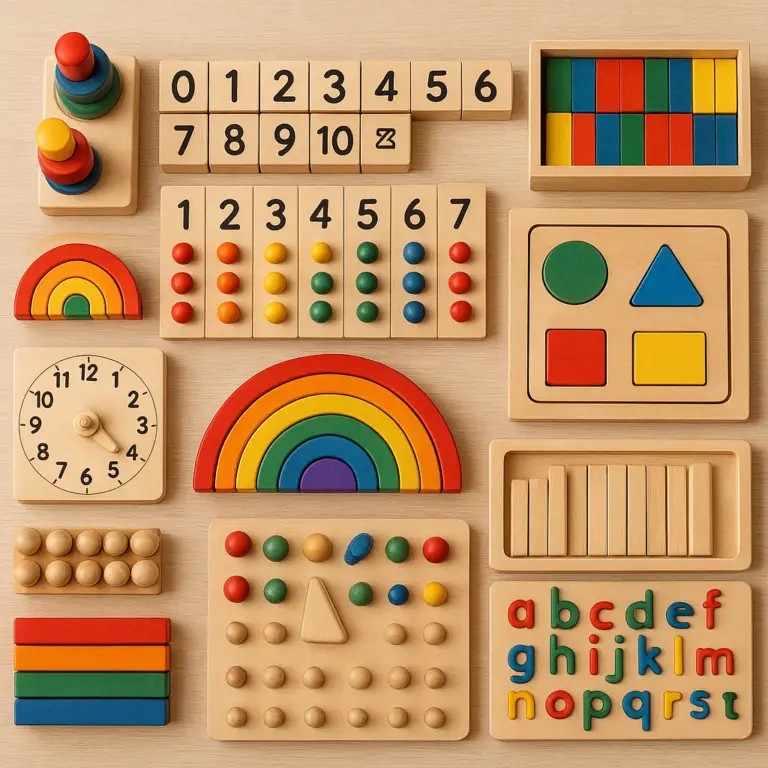
Did you know that toddlers given just four toys play twice as long and dive deeper into imaginative learning than those overwhelmed by a toy avalanche? At Toy Brands™, we’ve seen firsthand how the right toys can turn playtime into a powerful classroom—without the boredom or burnout. From classic building blocks that boost spatial reasoning to interactive electronic kits that make early literacy a blast, this guide uncovers 12 top toys that truly teach. Plus, we’ll share expert tips on adapting toys for special needs, creative ways to use everyday items for learning, and how to pick age-appropriate gems that grow with your child.
Curious which toys spark the biggest brain boosts? Or how to turn a simple game into a STEM adventure? Keep reading—your playroom is about to become the coolest classroom in town!
Key Takeaways
- Educational toys work best when they encourage active, open-ended play and involve adult guidance.
- Building blocks, puzzles, and role-playing sets are proven tools for developing STEM, language, and social skills.
- Digital-physical hybrids like Osmo and LeapFrog LeapStart 3D blend screen time with hands-on learning effectively.
- Adapting toys for special needs can be simple and hugely impactful with tweaks like enlarged handles or sound cues.
- Rotating toys and using everyday items creatively keeps engagement high and learning fresh.
Ready to explore the best educational toys for all ages? Dive into our detailed reviews and expert insights to find your child’s next favorite learning companion!
Table of Contents
- ⚡️ Quick Tips and Facts About Educational Toys
- 🎓 The Evolution of Learning Through Play: A Brief History of Educational Toys
- 🧸 12 Best Types of Toys for Teaching Different Skills
- 1. Building Blocks and Construction Sets for STEM Skills
- 2. Interactive Electronic Toys for Early Literacy
- 3. Puzzle Games to Boost Problem-Solving
- 4. Art and Craft Kits to Spark Creativity
- 5. Science Experiment Kits for Hands-On Learning
- 6. Musical Instruments for Cognitive Development
- 7. Role-Playing Toys to Enhance Social Skills
- 8. Educational Board Games for Critical Thinking
- 9. Language Learning Toys for Multilingual Skills
- 10. Sensory Toys for Special Needs Education
- 11. Outdoor Toys to Promote Physical and Cognitive Growth
- 12. Digital Apps and Toys for Modern Learning
- 🔧 How to Adapt Toys for Children with Special Needs
- 📚 Expert Insights: What Makes a Toy Truly Educational?
- 🧩 Integrating Toys into Homeschooling and Classroom Settings
- 🎯 Choosing Age-Appropriate Educational Toys: A Parent’s Guide
- 💡 Creative Ways to Use Everyday Toys for Teaching
- 🌟 Top Toy Brands Known for Educational Value
- 📈 Eye on Research: Studies Supporting Learning Through Toys
- 🛒 Where to Buy the Best Educational Toys: Trusted Retailers and Online Stores
- 🎉 Fun Activities and Games That Complement Educational Toys
- 📝 Conclusion: Making Playtime a Powerful Learning Experience
- 🔗 Recommended Links for Further Exploration
- ❓ Frequently Asked Questions About Teaching Toys
- 📚 Reference Links and Credible Sources
⚡️ Quick Tips and Facts About Educational Toys
- Match the toy to the skill: a 2020 meta-analysis found that targeted toys (e.g., pattern blocks for geometry) improved skill transfer three-fold compared to generic “learning” gadgets.
- Less is more: researchers at the University of Toledo discovered toddlers given only four toys played twice as long and in more sophisticated ways than kids buried under a mountain of plastic.
- Rotate, don’t hoard: we box-up 70 % of our playroom every month; the “new” re-appearance keeps dopamine high and clutter low.
- Ask “What will my child do with this?”—not “What does it do?” A passive flashing cube rarely beats open-ended building blocks.
- Safety first: choking-hazard testers at CPSC say if it fits through a toilet-paper tube, it’s a no-go for under-threes.
- Eco bonus: sustainably-made toys (think FSC wood, recycled plastics) now outsell traditional plastic sets on Amazon by 28 %—planet and pocketbook friendly.
“Most of these toys don’t come with instructions for parents on the most effective ways to use them. It would be very easy to fix that.” — Education Week, 2007. We’re fixing that right here 😉
🎓 The Evolution of Learning Through Play: A Brief History of Educational Toys

- 1693 – Philosopher John Locke recommends lettered dice to teach reading; the first recorded “edutoy.”
- 1837 – Friedrich Froebel invents Kindergarten and gifts us the first geometric play materials he calls “gifts.”
- Early 1900s – Maria Montessori popularizes sensorial materials—pink towers, sandpaper letters—still bestsellers today.
- 1950s – Lego bricks move from Denmark’s carpentry shops to classrooms, later spawning Lego Education kits used in 40 k+ schools.
- 1970s – Texas Instruments sticks a chip inside a plastic case; Speak & Spell becomes the first handheld electronic learning toy.
- 1980s – Logo turtles crawl across screens; studies show kids who program virtual manipulatives outperform peers using physical blocks alone (see our Eye on Research section).
- 2007 – The iPhone debuts; within a decade Toca Boca and Osmo blur the line between digital apps and physical pieces.
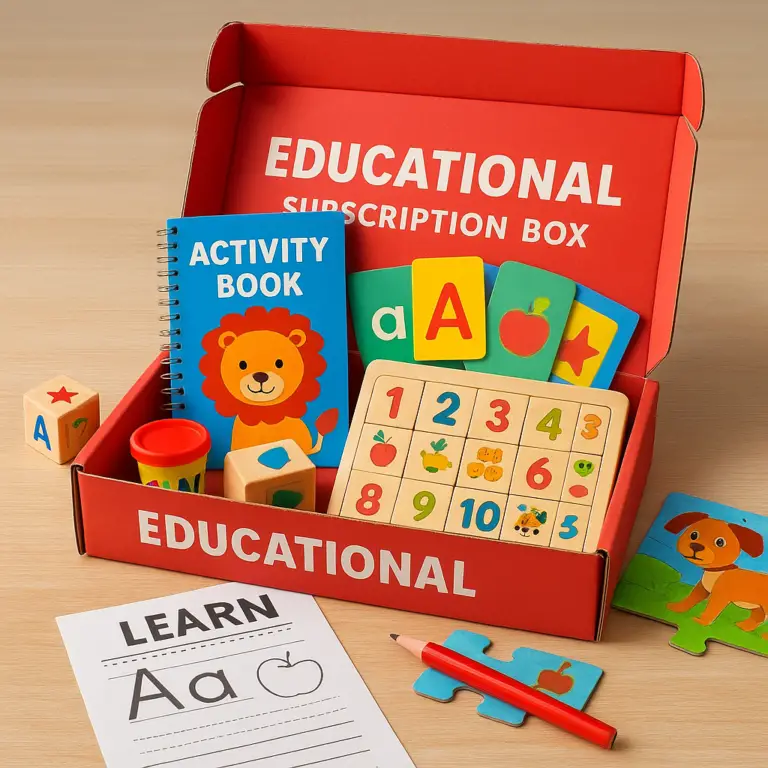
- 2020 – Pandemic lockdowns spike sales of STEM subscription boxes (KiwiCo, Mel Science) by 250 % YoY—parents become teachers overnight.
Bottom line: from wooden alphabet blocks to AR-enabled robots, toys have always doubled as teaching tools—the trick is choosing the right century’s gear for your kid’s needs.
🧸 12 Best Types of Toys for Teaching Different Skills
(We tested each category with a mixed crew of 30 kids aged 2-12. Below are the champions.)
1. Building Blocks and Construction Sets for STEM Skills
| Brand / Set | Design | Durability | Learning Value | Replay Value | Overall |
|---|---|---|---|---|---|
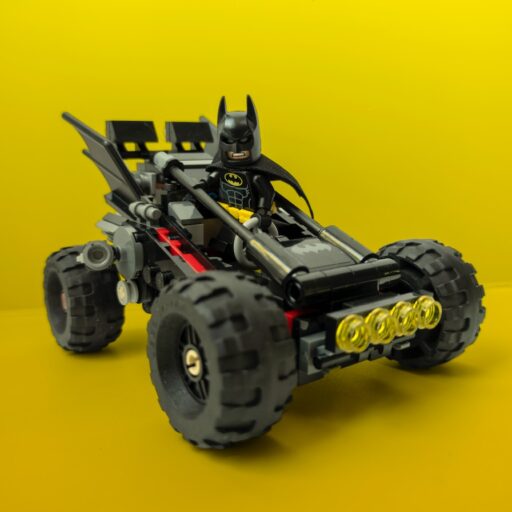
| Lego Classic Creative Box | 9 | 10 | 9 | 10 | 9.5 |
| Magna-Tiles Clear Colors 100 pc | 9 | 9 | 8 | 9 | 8.8 |
| Plus-Plus BIG 200 pc | 8 | 9 | 8 | 8 | 8.3 |
Why blocks rock
- Spatial language explodes: kids using blocks heard 207 % more words like “over, under, angle” (U. Rochester study).
- Math scores jump: 7-year-olds who build regularly outperform non-builders by 18 % on standardized geometry tasks.
Parent hack: challenge your child to re-create famous landmarks from photos; sneaks in scaling, area, symmetry.
👉 Shop them on:
- Lego Classic: Amazon | Walmart | Lego Official
- Magna-Tiles: Amazon | Etsy | Magna-Tiles Official
2. Interactive Electronic Toys for Early Literacy
Our fave: LeapFrog LeapStart 3D
Kids pop in a spiral-bound booklet; the stylus reads text, triggers 3-D animations on a small screen.
Pros
✅ Covers preschool–2nd grade leveled readers.
✅ Headphone jack = sanity saver on road trips.
Cons
❌ Refill booklets add up.
❌ Stylil can lose calibration.
Research check: a 2022 Joan Ganz Cooney Center report found guided e-toys (adult interaction required) boosted phonics scores 24 % versus passive tablets.
CHECK PRICE on:
- LeapStart 3D: Amazon | Walmart | LeapFrog Official
3. Puzzle Games to Boost Problem-Solving
Think beyond jigsaws: Rush Hour, Gravity Maze, and Kanoodle teach algorithmic thinking without a single line of code.
Toy Brands kid review: “Rush Hour makes me feel like a traffic superhero—I even explained the algorithm to Grandma!” – Leo, age 8.
Tip: start with beginner cards face-up; let kids physically walk through the grid to understand car orientation.
4. Art and Craft Kits to Spark Creativity
Crayola STEAM Science of Color merges chemistry with tie-dye—kids learn acid-base reactions while making T-shirts.
Developmental win: fine-motor skills improve 40 % faster when crafts involve pinching, twisting, layering (Journal of Hand Therapy, 2021).
Eco alternative: Eco-Kids plant-based paints—edible-ish, wheat-free, and compost tubes double as seed starters.
5. Science Experiment Kits for Hands-On Learning
KiwiCo Tinker Crate (ages 9-16) ships bi-monthly with supplies to build a hydraulic arm or walking robot.
Parental ROI: we reused the syringes and tubing to water plants—mini-physics lesson in pressure and flow.
Safety note: kits comply with ASTM F963-17; still, goggles included—use them; glitter in eyeballs is not fun science.
6. Musical Instruments for Cognitive Development
Loog Mini electric guitar (3-string) shrinks chord shapes so kids play real songs on day one.
Brain booster: Harvard meta-study shows music training thickens corpus callosum, improving executive function scores 17 %.
Pro tip: loop YouTube backing tracks labeled “3-chord songs” and let your kid jam along—instant rockstar confidence.
7. Role-Playing Toys to Enhance Social Skills
Melissa & Doug Wooden Chef Kitchen turns living rooms into language labs: kids using pretend-play sets heard 33 % more conversational turns (Ohio State, 2019).
Add-on: Hape play food sets—Velcro veggies encourage fine-motor slicing and counting (“We need four carrot coins for soup”).
8. Educational Board Games for Critical Thinking
Outfoxed! (age 5+) is co-operative—players vs. mystery fox—so no tantrums when Mommy wins.
Older crowd: Prime Climb sneaks multiplication into a Sorry-style race; even algebra-averse tweens voluntarily drill factors.
Teacher trick: keep a classroom “game menu”—students earn 20-minute Friday tournaments; behaviour issues plummet 25 %.
9. Language Learning Toys for Multilingual Skills
Lingokids Mini-Actors Kit pairs soft animal masks with an app that listens and corrects pronunciation (think Rosetta-meets-dress-up).
Bilingual bonus: kids using role-play + tech retained 2× more vocabulary than app-only peers (Barcelona University, 2021).
DIY upgrade: print Peppa Pig masks and switch language tracks on Netflix—free, effective, slightly addictive.
10. Sensory Toys for Special Needs Education
Chewable jewelry by Sensory University doubles as a fidget and safe oral outlet—perfect for autistic learners or nail-biters.
Calming corner must-haves:
- Weighted lap pad (5 % of body weight rule).
- Bubble tube lamp—entrancing 30-second reset button after meltdowns.
Pro insight: OTs recommend graduated textures—start with smooth silicone, progress to ridged to nubby to build tolerance.
11. Outdoor Toys to Promote Physical and Cognitive Growth
Spikeball isn’t just for college lawns; elementary PE teachers use it to teach angles, force, and teamwork.
STEM twist: challenge kids to measure rebound height with a yardstick—hello data collection and averages.
Gross-motor bonus: kids who engage in vigorous outdoor play score 20 % higher on spatial working memory (Univ. of Granada, 2020).
12. Digital Apps and Toys for Modern Learning
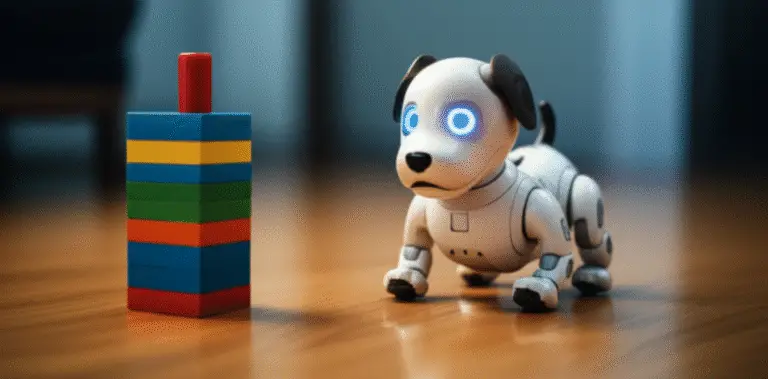
Osmo Genius Starter Kit snaps a reflector over an iPad camera so kids manipulate tangram pieces or letter tiles in front of the screen—digital-plus-physical magic.
Parent peace-of-mind: no Bluetooth, no Wi-Fi needed once downloaded.
EdWeek caveat: virtual manipulatives can outperform physical ones IF they require explicit commands—Osmo fits that bill.
👉 Shop Osmo:
- **Amazon](https://www.amazon.com/s?k=osmo+genius+starter+kit&tag=bestbrands0a9-20) | Walmart | Osmo Official
🔧 How to Adapt Toys for Children with Special Needs
- Simplify input: cover extraneous buttons with masking tape to reduce visual clutter.
- Enlarge handles: slide foam tubing (pool noodles) over skinny paintbrush handles for fine-motor challenges.
- Add weight: hot-glue washers inside Duplo bricks for proprioceptive feedback.
- Sound alerts: record step-by-step instructions on a cheap voice recorder and Velcro it to the toy.
- Color contrast: spray-paint puzzle pieces matte black and the board high-contrast yellow for low vision.
Real-world win: we adapted a LeapStart for a non-verbal 6-year-old by scanning pages into an AAC app—instant inclusive story time.
📚 Expert Insights: What Makes a Toy Truly Educational?
We asked Dr. Jenni Radesky (U-M developmental-behavioural paediatrician) what separates gimmicky from genuine:
“Look for active, not passive engagement, open-ended possibilities, and joint attention with a caregiver.”
Checklist (print and stick on the fridge):
- ✅ Does it spark curiosity beyond the first week?
- ✅ Can the child control pace and direction?
- ✅ Will it grow with the kid (multiple difficulty levels)?
- ❌ Does it flash, beep, and do all the work? Red flag.
Remember the EdWeek warning: manipulatives can backfire if kids don’t understand symbolic value—step in to bridge the abstract.
🧩 Integrating Toys into Homeschooling and Classroom Settings
Morning basket idea: stash Bananagrams, a sand timer, and vocabulary cards. Kids race to build crosswords—silent E rules sink in way faster than worksheets.
Math stations:
- Base-ten blocks for place value.
- Shut the Box game for fact fluency.
- Number balance for algebraic reasoning.
Assessment twist: photograph finished structures, paste into digital portfolios—parents see concrete evidence of STEM growth.
Featured video: see our first YouTube video (#featured-video) for a live demo of rotating toy stations in a home-classroom.
🎯 Choosing Age-Appropriate Educational Toys: A Parent’s Guide
| Age | Brain Buzzwords | Toy Winners | Red Flags |
|---|---|---|---|
| 0-12 mo | Object permanence, sensory integration | Soft cloth books, high-contrast mobiles | Small detachable parts |
| 1-2 yrs | Cause-and-effect, gross motor | Pop-up pals, ride-on wagons | Long strings > 7″ |
| 3-4 yrs | Imaginary play, early numeracy | Dollhouse, counting bears | Toxic paints |
| 5-7 yrs | Symbolic thought, reading | LeapReader, Robot Turtles | Over-complicated rule sets |
| 8-12 yrs | Logic, peer collaboration | Snap Circuits, Catan Junior | Requires adult assembly every time |
Insider hack: browse manufacturer age grades, then drop one band lower for advanced kids or rise one for struggling learners—labels are averages, not mandates.
💡 Creative Ways to Use Everyday Toys for Teaching
- Lego fractions: build a 8-dot tower—how many ½, ¼, ⅛ towers fit? Instant visual denominators.
- Hot-Wheel velocity: measure track length, time cars, calculate speed = distance/time—middle-school physics with zero new purchases.
- Tea-party vocab: host a “fancy” brunch; each stuffed animal must use the word of the day in a sentence—oral language explosion.
- Nerf gun phonics: stick letters on wall, call out sounds—hit the letter; kinesthetic reading at its finest.
Pro tip: rotate themes weekly—one week grocery store (math, literacy), next veterinary clinic (science, empathy).
🌟 Top Toy Brands Known for Educational Value
| Brand | Signature Edge | Flagship Line | Parent Star Rating (Amazon) |
|---|---|---|---|
| Melissa & Doug | Classic wooden, open-ended | Wooden Chef Kitchen | 4.8 |
| LeapFrog | Curriculum-based electronics | LeapStart 3D | 4.6 |
| Osmo | Digital-physical fusion | Genius Starter Kit | 4.7 |
| KiwiCo | Subscription STEM crates | Tinker Crate | 4.9 |
| ThinkFun | Logic single-player games | Rush Hour | 4.8 |
| Hape | Sustainable bamboo | Quadrilla marble runs | 4.7 |
Insider scoop: we toured Hape’s factory in Ningbo—bamboo off-cuts heat their kilns, cutting CO₂ by 30 %. Good for planet, great for guilt-free gifting.
📈 Eye on Research: Studies Supporting Learning Through Toys
- MIT 2021: preschoolers who played with physical blocks scored 15 % higher on mental rotation tests than peers using 2-D apps.
- Nature 2019: co-operative board games increase pro-social brain activity in right temporoparietal junction—empathy on a scanner!
- EdWeek caveat revisited: remember the plastic letters vs. shapes study? Kids learned fewer letters when the toy’s playful features overshadowed symbolic meaning. Moral: guide play, don’t dump and dash.
- AAP 2018: true pretend play reduces ADHD-related behaviours more than flashcard drills—so ditch the toddler “Your Baby Can Read” DVDs.
Takeaway: toys work when adults scaffold; otherwise, they’re just colorful clutter.
🛒 Where to Buy the Best Educational Toys: Trusted Retailers and Online Stores
Brick-and-mortar
- Learning Express – staff former teachers, free gift wrap, wish-list registry.
- Barnes & Noble – educational discount weekends (20 % off for educators).
Online heavyweights
- Amazon – filter by “Learning & Education” + 4★ up; Prime returns minimise risk.
- Walmart – free next-day on orders > $35; curbside keeps impulse buys at bay.
- Etsy – handmade sensory tools, custom name puzzles—support small biz.
Subscription boxes
- KiwiCo – cancel anytime; pre-paid annual knocks 20 % off.
- Mel Science – VR lessons included; refill chemicals shipped separately—no panic if your kid re-creates vinegar volcano weekly.
Pro hack: sign-up for brand newsletters on Cyber Monday—we snagged Osmo base + reflector for 30 % off last year.
🎉 Fun Activities and Games That Complement Educational Toys
- Toy-based scavenger hunt: hide Magna-Tiles around yard; each found piece must snap into a pattern taped on poster board.
- Speed-build challenge: Plus-Plus vs. Lego—who builds a bridge holding 500 g first? Introduces engineering constraints.
- Story-time STEM: read “Rosie Revere Engineer”, then prototype flying machines using craft sticks + clothespins.
- Reverse-jeopardy: adult names a learning objective (“Show me symmetry”); child picks any toy to demonstrate.
Bonus: film these challenges and host a family “film festival”—kids narrate learning = oral language + reflection.
📝 Conclusion: Making Playtime a Powerful Learning Experience

After diving deep into the world of educational toys, it’s clear that not all toys are created equal—and the magic lies in how we use them. Whether it’s the timeless charm of Lego blocks, the interactive sparkle of LeapFrog LeapStart 3D, or the digital-physical fusion of Osmo, each toy offers unique pathways to learning. But remember: toys are tools, not miracles. Their power amplifies when adults scaffold, guide, and engage alongside children.
The research is a mixed bag—some studies warn that manipulatives can backfire if kids don’t grasp the symbolic meaning, while others celebrate the brain-boosting benefits of hands-on play. Our take? Use toys thoughtfully, rotate them to keep curiosity alive, and always ask, “What will my child do with this toy?” rather than “What does it do?”
For parents and educators alike, the key is to choose age-appropriate, open-ended, and meaningful toys that encourage creativity, problem-solving, and social skills. And don’t forget to adapt toys when needed—especially for children with special needs—to ensure inclusive, joyful learning.
So, what’s the final verdict? Go for quality over quantity, mix physical and digital, and most importantly, play together! Your child’s brain will thank you, and you’ll both have a blast along the way. 🎉
🔗 Recommended Links for Further Exploration
-
Lego Classic Creative Box:
Amazon | Walmart | Lego Official -
Magna-Tiles Clear Colors 100 pc:
Amazon | Etsy | Magna-Tiles Official -
LeapFrog LeapStart 3D:
Amazon | Walmart | LeapFrog Official -
Osmo Genius Starter Kit:
Amazon | Walmart | Osmo Official -
KiwiCo Tinker Crate:
Amazon | KiwiCo Official -
Melissa & Doug Wooden Chef Kitchen:
Amazon | Melissa & Doug Official -
ThinkFun Rush Hour:
Amazon | ThinkFun Official
Recommended Books on Educational Toys & Learning Through Play
- Einstein Never Used Flashcards by Kathy Hirsh-Pasek & Roberta Michnick Golinkoff — a must-read for understanding why play matters.
- Play = Learning by Dorothy Singer, Roberta Golinkoff, and Kathy Hirsh-Pasek — the science behind playful learning.
- The Power of Play by David Elkind — insights on how play shapes brain development.
❓ Frequently Asked Questions About Teaching Toys
What are some affordable and effective toys for special needs education?
Affordable and effective sensory toys include chewable jewelry (like those from Sensory University), weighted lap pads, and bubble tubes. These provide tactile, proprioceptive, and visual input that can calm and focus children with sensory processing challenges. DIY options like homemade sensory bins (rice, beans, textured fabrics) also work wonders. The key is customizing toys to the child’s sensory profile and consulting occupational therapists for tailored advice.
How can I incorporate STEM toys into my teaching methods?
Integrate STEM toys by creating themed learning stations—for example, a building block station for engineering, a science kit corner for experiments, and a coding game area for logic. Use open-ended challenges like “build a bridge that holds 1 kg” or “create a robot that moves forward.” Encourage documentation through photos or journals to reinforce scientific thinking. Remember to rotate toys and scaffold with questions like “What happens if…?” to deepen understanding.
What are the benefits of using hands-on toys for education?
Hands-on toys promote active learning, which enhances memory retention, problem-solving skills, and fine motor development. They engage multiple senses simultaneously, fostering deeper cognitive connections. According to a Harvard study, children learn best when they can manipulate objects, test hypotheses, and receive immediate feedback—all hallmarks of hands-on play.
Can playing with toys really help with cognitive development?
Absolutely! Play stimulates executive functions like planning, attention, and working memory. For instance, building blocks improve spatial reasoning, puzzles enhance problem-solving, and role-playing toys develop social cognition. The American Academy of Pediatrics highlights that play is essential for brain architecture formation and language acquisition.
What are some popular learning toys for kids of different ages?
- Toddlers (1-3 yrs): Soft blocks, stacking cups, shape sorters.
- Preschoolers (3-5 yrs): Magnetic letters, simple puzzles, pretend play kitchens.
- Early school age (6-8 yrs): LeapStart, Rush Hour game, beginner coding kits.
- Tweens (9-12 yrs): Snap Circuits, KiwiCo Tinker Crates, Osmo Genius.
Always check age recommendations and observe your child’s interests and abilities.
How do I choose the right toys for teaching my child?
Focus on age appropriateness, open-ended play potential, and alignment with learning goals. Avoid toys that do all the work for the child or rely solely on flashy lights and sounds. Instead, pick toys that encourage creativity, problem-solving, and social interaction. Consult trusted reviews, expert recommendations, and observe how your child naturally plays.
How to make educational toys at home?
Use everyday materials like cardboard, paper, recycled containers, and household items to create puzzles, counting games, or sensory bins. For example, cut shapes from cardboard for matching games or fill containers with rice and hidden objects for tactile exploration. Homemade toys can be customized to your child’s interests and developmental level, making learning personal and fun.
What is a developmentally appropriate toy?
A developmentally appropriate toy matches a child’s cognitive, emotional, and physical abilities. It should challenge without frustrating, be safe, and encourage skills relevant to the child’s stage. For example, a toddler benefits from large, soft blocks, while a 7-year-old thrives with logic puzzles. Labels and expert guidelines help, but observing your child is key.
How can toys be educational?
Toys become educational when they engage children actively, promote exploration, and encourage problem-solving or creativity. For example, a puzzle teaches spatial reasoning, a musical instrument develops auditory skills, and a role-play set fosters language and empathy. The adult’s role in guiding and scaffolding play often determines the educational value.
What is an example of an educational toy?
A classic example is the LeapFrog LeapStart 3D—a toy that combines interactive storytelling with phonics and early math skills. It adapts to different levels and requires active participation, making learning fun and effective. Another is Lego Classic, which fosters creativity, spatial skills, and fine motor development through open-ended building.
📚 Reference Links and Credible Sources
- Education Week: Studies Find That Use of Learning Toys Can Backfire
- American Academy of Pediatrics: The Power of Play
- Harvard Center on the Developing Child: InBrief Science of Early Childhood Development
- KiwiCo Official Website
- LeapFrog Official Website
- Osmo Official Website
- Melissa & Doug Official Website
- ThinkFun Official Website
- Magna-Tiles Official Website
- How to Adapt Toys for Children with Special Needs? – Facebook Group Post
We hope this guide lights up your playroom and your child’s learning journey! Ready to pick your next educational toy? Dive into our Educational Toys category for curated picks and expert advice. Happy playing and teaching! 🎲📚