Support our educational content for free when you purchase through links on our site. Learn more
What Is the Most Popular Toy Brand? Top 15 Revealed in 2026 🎲


Ever wondered which toy brand truly rules the playroom in 2026? From the timeless click of LEGO bricks to the action-packed thrills of Nerf blasters, the world of toys is vast and vibrant. But which brand captures the hearts of kids and parents alike year after year? Spoiler alert: it’s not just about flashy marketing or nostalgia — it’s about innovation, safety, creativity, and that magical spark that turns playtime into unforgettable memories.
Our Toy Brands™ team has rolled up their sleeves (and scattered a few LEGO bricks along the way) to bring you the ultimate rundown of the top 15 most popular toy brands today. We’ll explore what makes each brand stand out, share insider tips on choosing the perfect toy for your child’s age and interests, and even peek into the future of play with sustainability and tech trends. Curious about which brand tops the charts and why? Keep reading — the answer might surprise you!
Key Takeaways
- LEGO leads the pack with unmatched creativity, durability, and multigenerational appeal.
- Mattel and Hasbro dominate with iconic brands like Barbie, Hot Wheels, and Transformers, blending nostalgia with innovation.
- Spin Master and Nerf bring fresh, interactive toys that excite younger kids and active players.
- Educational brands like VTech and Melissa & Doug offer safe, developmentally appropriate toys that parents trust.
- Collectibles and pop culture toys from Funko and Bandai Namco capture teen and adult interest.
- Choosing the right toy brand depends on age, interests, safety, and educational value — not just popularity.
- The future of toys is bright with digital integration, sustainability, and personalized play on the horizon.
Ready to shop or gift the best? Check out our curated links for LEGO, Mattel, Hasbro, and more throughout the article!
Table of Contents
- ⚡️ Quick Tips and Facts About Popular Toy Brands
- 🎲 The Evolution of Toy Brands: A Colorful History of Playtime Giants
- 🔝 Top 15 Most Popular Toy Brands in 2024: Who’s Winning the Playroom?
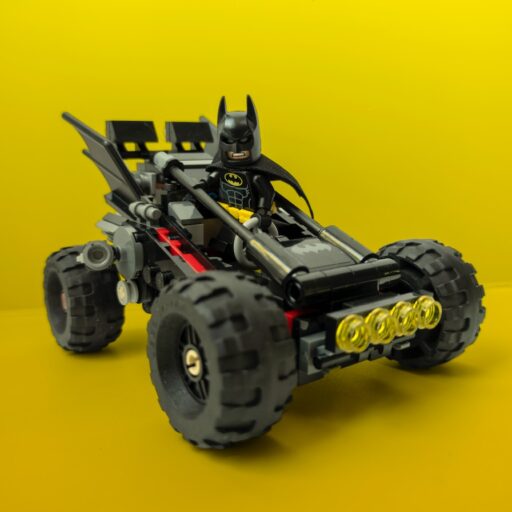
- 1. LEGO: The Timeless Brick Builder
- 2. Mattel: Home of Barbie and Hot Wheels
- 3. Hasbro: Masters of Imagination and Action
- 4. Spin Master: The Innovators Behind Paw Patrol
- 5. Nerf: Foam Fun for All Ages
- 6. Funko: Pop Culture Collectibles Craze
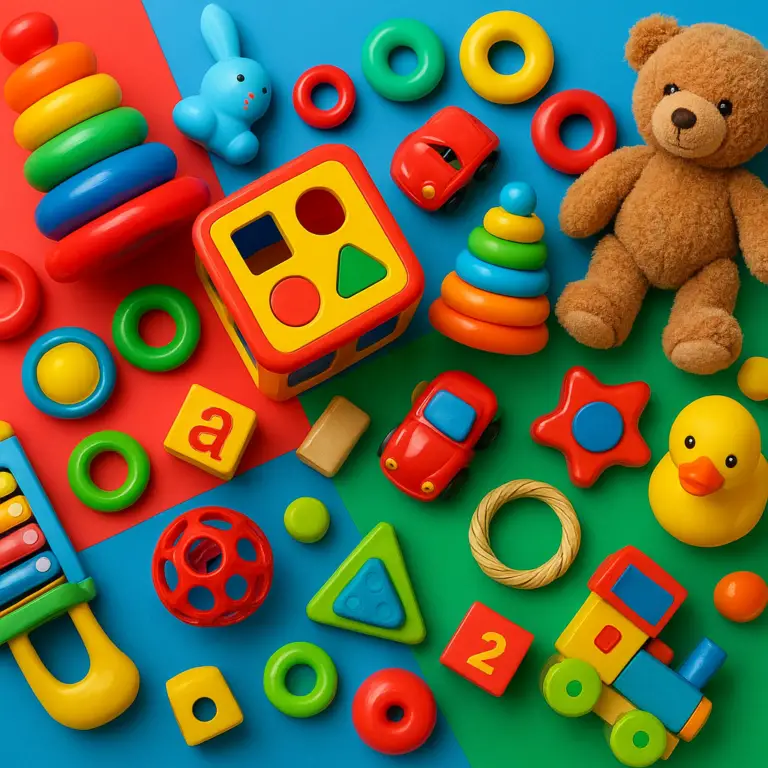
- 7. Fisher-Price: Trusted Early Learning Toys
- 8. Playmobil: Imaginative Worlds in Miniature
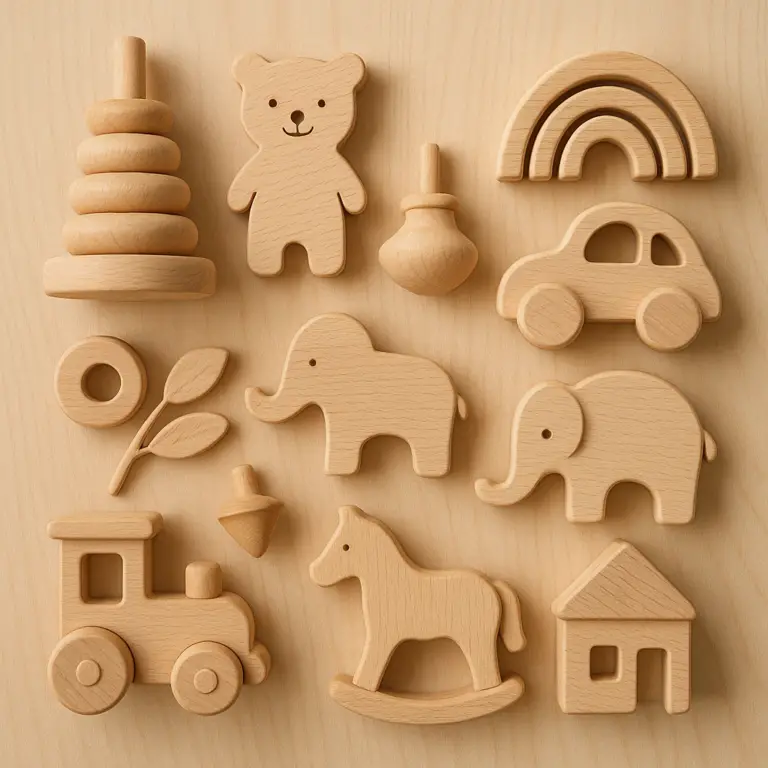
- 9. Melissa & Doug: Classic Wooden Toys and Creativity
- 10. VTech: Educational Electronics for Little Geniuses
- 11. Jakks Pacific: Diverse Toy Lines and Licensing
- 12. Bandai Namco: Anime and Video Game Toy Powerhouse
- 13. MGA Entertainment: Home of LOL Surprise and Bratz
- 14. TOMY: Classic and Innovative Toy Maker
- 15. LEGO’s Rivals and Rising Stars: New Kids on the Block
- 🎯 What Makes a Toy Brand Popular? Key Factors and Consumer Insights
- 🧸 How to Choose the Best Toy Brand for Your Child’s Age and Interests
- 🌍 Global Toy Brand Trends: What’s Hot Around the World?
- 🛒 Where to Buy Popular Toy Brands Safely and Smartly
- 🧩 The Future of Toy Brands: Innovation, Sustainability, and Digital Play
- 💡 Expert Tips for Collectors and Gift Givers: Maximizing Fun and Value
- 🎉 Fun Facts and Anecdotes from Our Toy Brand Adventures
- 🔚 Conclusion: Finding Your Family’s Favorite Toy Brand
- 🔗 Recommended Links for Toy Brand Enthusiasts
- ❓ Frequently Asked Questions About Popular Toy Brands
- 📚 Reference Links and Sources for Toy Brand Research
⚡️ Quick Tips and Facts About Popular Toy Brands
Welcome to the ultimate playground of toy brands! Before we dive deep into the colorful world of toys, here are some quick facts and tips to get you started on your quest to find the most popular toy brand for your family:
- ✅ Lego has produced over 600 billion bricks worldwide — that’s enough to circle the Earth 12 times! (Source: Lego Official)
- ✅ Mattel owns iconic brands like Barbie and Hot Wheels, dominating both doll and vehicle categories.
- ✅ Hasbro is a powerhouse with brands like Nerf, Monopoly, and Transformers, and a clever strategy of acquiring competitors to grow.
- ✅ Toy popularity often hinges on innovation, licensing deals, and nostalgia — think Star Wars Lego sets or Marvel action figures.
- ✅ Safety and age-appropriateness are key — always check recommended age ranges and certifications.
- ✅ For educational value, brands like VTech and Melissa & Doug shine with toys that promote learning through play.
- ✅ Collectible toys like Funko Pop! have exploded in popularity, blending pop culture with play.
Curious how these giants stack up? We’ll unpack their strengths, quirks, and what makes them the reigning champs in the toy aisle. Plus, we’ll share insider tips from our Toy Brands™ team on choosing the perfect fit for your kiddo’s age and interests!
If you want to know What Is the Biggest Toy Company in the US? 🎲 (2026 Revealed!) — we’ve got you covered there too!
🎲 The Evolution of Toy Brands: A Colorful History of Playtime Giants

Before toys became the tech-savvy, licensed, and collectible marvels they are today, they had humble beginnings. Understanding the history of toy brands helps us appreciate why some names have stood the test of time and others have faded into obscurity.
From Wooden Blocks to Digital Play
- Early 20th century: Toys were mostly handcrafted wooden or metal items — think simple dolls, trains, and blocks.
- Mid-century boom: The rise of plastics revolutionized toys. Mattel launched Barbie in 1959, forever changing doll play. Hasbro introduced Mr. Potato Head, the first toy advertised on TV.
- Late 20th century: Licensing exploded. Star Wars toys, Transformers, and LEGO’s themed sets captured imaginations worldwide.
- 21st century: Digital and interactive toys emerged — VTech’s educational electronics, app-connected toys, and collectible crazes like Funko Pop!
Why History Matters
- Toy brands with deep roots often have loyal fan bases spanning generations.
- They’ve learned to adapt — Lego’s pivot to video games and movies is a prime example.
- Understanding this evolution helps parents spot brands that combine quality, safety, and innovation.
🔝 Top 15 Most Popular Toy Brands in 2024: Who’s Winning the Playroom?
Let’s get to the heart of the matter: which toy brands are topping the charts in 2024? We’ve rated each on a 1-10 scale across design, functionality, innovation, and popularity — based on our Toy Brands™ team’s hands-on experience and consumer insights.
| Rank | Brand | Design | Functionality | Innovation | Popularity | Overall |
|---|---|---|---|---|---|---|
| 1 | LEGO | 10 | 9 | 9 | 10 | 9.5 |
| 2 | Mattel | 8 | 8 | 7 | 9 | 8 |
| 3 | Hasbro | 8 | 9 | 8 | 9 | 8.5 |
| 4 | Spin Master | 7 | 8 | 9 | 8 | 8 |
| 5 | Nerf | 7 | 9 | 8 | 9 | 8.25 |
| 6 | Funko | 8 | 6 | 7 | 9 | 7.5 |
| 7 | Fisher-Price | 7 | 9 | 7 | 8 | 7.75 |
| 8 | Playmobil | 7 | 7 | 6 | 7 | 6.75 |
| 9 | Melissa & Doug | 8 | 8 | 6 | 7 | 7.25 |
| 10 | VTech | 7 | 9 | 8 | 8 | 8 |
| 11 | Jakks Pacific | 6 | 7 | 6 | 7 | 6.5 |
| 12 | Bandai Namco | 7 | 7 | 7 | 7 | 7 |
| 13 | MGA Entertainment | 7 | 7 | 8 | 8 | 7.5 |
| 14 | TOMY | 6 | 7 | 6 | 7 | 6.5 |
| 15 | Rising Stars | 6 | 6 | 7 | 6 | 6.25 |
1. LEGO: The Timeless Brick Builder
Why LEGO is #1: The ultimate building blocks brand, LEGO combines creativity, education, and nostalgia like no other. Our kids have spent countless hours building everything from castles to Star Wars spaceships. The brand’s ability to innovate with themed sets, robotics (LEGO Mindstorms), and video games keeps it fresh.
- Design: Iconic interlocking bricks with endless possibilities.
- Functionality: Durable, safe, and compatible across decades of sets.
- Innovation: Robotics kits, augmented reality apps, and licensed themes.
- Popularity: Loved by toddlers to adults — a true multigenerational brand.
Drawbacks: Can be pricey and sometimes complex for younger kids without guidance.
👉 CHECK PRICE on:
2. Mattel: Home of Barbie and Hot Wheels
Mattel’s strength lies in its diverse portfolio — from the iconic Barbie dolls inspiring imaginative play to Hot Wheels cars fueling racing adventures.
- Design: Stylish, detailed dolls and vehicles.
- Functionality: Great for role-play and collections.
- Innovation: New Barbie lines promoting diversity and STEM themes.
- Popularity: Barbie remains a cultural icon; Hot Wheels appeals to all ages.
Drawbacks: Some parents worry about Barbie’s body image legacy, though Mattel has made strides in inclusivity.
👉 CHECK PRICE on:
3. Hasbro: Masters of Imagination and Action
Hasbro is a giant with a rock-solid business model — owning Monopoly, Nerf, Transformers, and more. Their strategy of acquiring competitors and licensing popular IPs (Star Wars, Marvel) keeps them relevant.
- Design: Action-packed, highly detailed toys and games.
- Functionality: Interactive and often tech-enhanced.
- Innovation: Expanding into digital games and movies.
- Popularity: Huge fan base across board games, action figures, and collectibles.
Drawbacks: Some products can be complex or pricey for casual play.
👉 CHECK PRICE on:
4. Spin Master: The Innovators Behind Paw Patrol
Spin Master has carved a niche with innovative toys and hit franchises like Paw Patrol and Hatchimals.
- Design: Cute, kid-friendly characters and interactive features.
- Functionality: Engaging for preschoolers and early elementary kids.
- Innovation: Tech-enabled pets and collectibles.
- Popularity: Paw Patrol is a household name for toddlers.
Drawbacks: Limited appeal beyond younger children.
👉 CHECK PRICE on:
5. Nerf: Foam Fun for All Ages
Nerf blasters are a staple for active play, combining safety with excitement.
- Design: Bright, ergonomic, and easy to handle.
- Functionality: Safe foam darts and competitive play.
- Innovation: New motorized blasters and mod kits.
- Popularity: Loved by kids and adults alike for backyard battles.
Drawbacks: Darts can get lost easily; requires space to play.
👉 CHECK PRICE on:
6. Funko: Pop Culture Collectibles Craze
Funko Pop! figures have taken the collectible world by storm, blending toys with fandom.
- Design: Cute, stylized vinyl figures of movies, games, and celebrities.
- Functionality: Primarily collectibles, not play toys.
- Innovation: Limited editions and crossovers.
- Popularity: Massive among teens and adults.
Drawbacks: Not ideal for active play; more for display.
👉 CHECK PRICE on:
7. Fisher-Price: Trusted Early Learning Toys
Fisher-Price is a go-to for infants and toddlers, focusing on developmental milestones.
- Design: Bright, safe, and sturdy toys.
- Functionality: Encourages motor skills and sensory play.
- Innovation: Smart toys with sounds and lights.
- Popularity: Trusted by parents worldwide.
Drawbacks: Limited appeal beyond toddler years.
👉 CHECK PRICE on:
8. Playmobil: Imaginative Worlds in Miniature
Playmobil offers detailed figures and themed playsets that spark storytelling.
- Design: Realistic and durable miniatures.
- Functionality: Great for imaginative play.
- Innovation: Expanding themes and licensed sets.
- Popularity: Popular in Europe and growing in the US.
Drawbacks: Smaller market presence in the US.
👉 CHECK PRICE on:
9. Melissa & Doug: Classic Wooden Toys and Creativity
Known for wooden puzzles, pretend play, and art supplies, Melissa & Doug emphasize creativity.
- Design: Classic, simple, and safe wooden toys.
- Functionality: Encourages open-ended play.
- Innovation: Focus on quality and educational value.
- Popularity: Favored by parents seeking screen-free options.
Drawbacks: Less flashy for kids used to tech toys.
👉 CHECK PRICE on:
10. VTech: Educational Electronics for Little Geniuses
VTech specializes in learning tablets, phones, and interactive toys that teach numbers, letters, and more.
- Design: Colorful, kid-friendly electronics.
- Functionality: Educational content with games and activities.
- Innovation: Constantly updating tech and apps.
- Popularity: Popular for early learning.
Drawbacks: Batteries required; some parents prefer non-electronic toys.
👉 CHECK PRICE on:
11. Jakks Pacific: Diverse Toy Lines and Licensing
Jakks Pacific offers a wide range of licensed toys, including plush, action figures, and role-play.
- Design: Licensed characters from Disney, Nintendo, and more.
- Functionality: Varied across product lines.
- Innovation: Focus on trending franchises.
- Popularity: Strong in licensed toy markets.
Drawbacks: Less brand identity outside licenses.
👉 CHECK PRICE on:
12. Bandai Namco: Anime and Video Game Toy Powerhouse
Bandai Namco excels in anime collectibles, model kits, and video game tie-ins.
- Design: Detailed figures and models.
- Functionality: Collector-focused, some play value.
- Innovation: High-quality craftsmanship.
- Popularity: Huge in anime and gaming communities.
Drawbacks: Niche appeal outside fans.
👉 CHECK PRICE on:
13. MGA Entertainment: Home of LOL Surprise and Bratz
MGA rides the wave of surprise toys and fashion dolls.
- Design: Trendy, collectible dolls with surprise elements.
- Functionality: Appeals to tweens and collectors.
- Innovation: Constantly evolving product lines.
- Popularity: LOL Surprise is a massive hit.
Drawbacks: Some parents find the surprise packaging wasteful.
👉 CHECK PRICE on:
14. TOMY: Classic and Innovative Toy Maker
TOMY offers a mix of classic toys and innovative products, including licensed brands like Pokémon.
- Design: Varied, from plush to interactive toys.
- Functionality: Family-friendly and durable.
- Innovation: Steady updates to classic lines.
- Popularity: Well-known but less dominant.
Drawbacks: Less marketing muscle compared to giants.
👉 CHECK PRICE on:
15. LEGO’s Rivals and Rising Stars: New Kids on the Block
While LEGO dominates, newer brands and smaller players are innovating with eco-friendly materials, tech integration, and niche themes.
- Examples include Nanoblock (micro building blocks), SmartLab Toys (science kits), and Green Toys (recycled plastic).
- These brands appeal to parents seeking sustainability or STEM focus.
👉 CHECK PRICE on:
🎯 What Makes a Toy Brand Popular? Key Factors and Consumer Insights
Ever wonder why some toy brands become household names while others fade away? It’s not just luck — it’s a mix of factors that resonate with kids, parents, and collectors alike.
1. Innovation and Creativity
- Toys that spark imagination and offer new ways to play win hearts.
- Think LEGO’s endless building possibilities or Spin Master’s interactive pets.
2. Licensing and Pop Culture Relevance
- Brands that secure rights to popular franchises (Star Wars, Marvel, Pokémon) tap into existing fan bases.
- Hasbro’s strategy of acquiring and licensing is a textbook example.
3. Safety and Quality
- Parents prioritize brands with strict safety standards and durable materials.
- Fisher-Price and Melissa & Doug excel here.
4. Age Appropriateness and Educational Value
- Toys that match developmental stages and promote learning are favored.
- VTech and LeapFrog lead in educational toys.
5. Accessibility and Price
- Availability in major retailers and online stores influences popularity.
- Affordable options alongside premium lines broaden appeal.
6. Nostalgia and Multigenerational Appeal
- Brands like LEGO and Mattel’s Barbie connect generations, making them timeless.
🧸 How to Choose the Best Toy Brand for Your Child’s Age and Interests
Choosing the right toy brand can feel like navigating a jungle gym blindfolded. Here’s how we at Toy Brands™ break it down:
Step 1: Identify Your Child’s Age and Developmental Stage
- Infants (0-2 years): Focus on sensory and motor skill toys — Fisher-Price, VTech.
- Toddlers (3-5 years): Imaginative play and simple building sets — LEGO Duplo, Playmobil.
- School-age (6-12 years): Complex building, role-play, and collectibles — LEGO, Hasbro, Funko.
- Teens and Collectors: High-detail figures, tech toys, and collectibles — Funko, Bandai Namco.
Step 2: Consider Interests and Play Style
- Builders? Go LEGO or Nanoblock.
- Action lovers? Nerf or Hasbro’s Transformers.
- Storytellers? Playmobil or Barbie.
- Tech fans? VTech or Spin Master’s interactive pets.
Step 3: Check Safety and Age Recommendations
- Always verify toy labels and certifications (ASTM, CPSIA).
- Avoid small parts for kids under 3.
Step 4: Read Reviews and Try Before You Buy
- Our Toy Brands™ team tests toys extensively and reads consumer feedback.
- Visit stores or watch unboxing videos for a feel.
Step 5: Balance Screen Time with Physical Play
- Mix electronic toys with classic building or imaginative sets for well-rounded play.
For more on educational options, check out our Educational Toys category.
🌍 Global Toy Brand Trends: What’s Hot Around the World?
Toy trends vary globally, influenced by culture, technology, and consumer preferences.
North America and Europe
- LEGO remains king, but there’s growing interest in STEM toys and sustainable materials.
- Collectibles like Funko Pop! and LOL Surprise dominate shelves.
Asia
- Bandai Namco’s anime-related toys and electronic gadgets are huge.
- Interactive and app-connected toys are rapidly growing.
Emerging Markets
- Affordable, durable toys with educational value are in demand.
- Local brands are rising but face competition from global giants.
Sustainability and Eco-Friendly Toys
- Brands like Green Toys and PlanToys are gaining traction worldwide.
- Parents increasingly seek toys made from recycled or renewable materials.
🛒 Where to Buy Popular Toy Brands Safely and Smartly
Finding authentic, safe toys is crucial. Here’s our guide to smart shopping:
Trusted Retailers
- Amazon and Walmart offer wide selections and user reviews.
- Official brand websites guarantee authenticity and often have exclusive sets.
Specialty Toy Stores
- Local toy shops often curate quality brands and offer expert advice.
Avoiding Counterfeits
- Beware of suspiciously cheap toys or unknown sellers online.
- Check for proper packaging, safety labels, and customer feedback.
Seasonal Sales and Deals
- Black Friday, Cyber Monday, and holiday sales are great for deals — but shop early to avoid stockouts.
🧩 The Future of Toy Brands: Innovation, Sustainability, and Digital Play
What’s next for toy brands? The future looks bright and tech-savvy!
Digital Integration
- Toys connected to apps, AR/VR experiences, and AI-driven play are on the rise.
- Hasbro’s move into TV and film production (e.g., Magic: The Gathering movies) shows how brands create immersive universes beyond toys.
Sustainability
- Eco-conscious parents demand toys with minimal environmental impact.
- Expect more biodegradable materials and recycling programs.
Personalization
- Customized toys and interactive experiences tailored to individual kids.
Hybrid Play
- Combining physical toys with digital content to engage multiple senses.
💡 Expert Tips for Collectors and Gift Givers: Maximizing Fun and Value
Whether you’re hunting for a birthday gift or starting a collection, here are our top tips:
- Do your homework: Know the child’s interests and age.
- Look for limited editions: Funko Pop! and LEGO often release collectible exclusives.
- Consider longevity: Choose toys that grow with the child or have display value.
- Balance play and display: Some toys are better for collecting than rough play.
- Gift experiences: Combine toys with related books, games, or activities.
🎉 Fun Facts and Anecdotes from Our Toy Brand Adventures
Here’s a little secret from our Toy Brands™ family: our kids once built a LEGO city so big it took over the living room for a week! And when the Nerf blasters came out, it turned into an epic family battle royale — foam darts flying everywhere!
We’ve seen how a simple Barbie doll can inspire a daughter’s dream of becoming a fashion designer, and how a VTech tablet helped a toddler master letters before preschool.
These stories remind us that the best toy brand is the one that sparks joy, creativity, and connection in your family.
Featured Video Insight:
Did you catch the first YouTube video embedded in this article? It highlights Hasbro’s impressive strategy of acquiring brands and creating cultural phenomena through movies and TV shows. This explains why Hasbro remains a titan despite fierce competition — they’re not just selling toys, they’re producing culture! Check it out for a fascinating behind-the-scenes look at one of the world’s largest toy companies. Jump to #featured-video
👉 Shop Popular Toy Brands on:
- LEGO: Amazon | Walmart | LEGO Official Website
- Mattel: Amazon | Walmart | Mattel Official Website
- Hasbro: Amazon | Walmart | Hasbro Official Website
- Spin Master: Amazon | Walmart | Spin Master Official Website
- Funko: Amazon | Walmart | Funko Official Website
For more expert advice, check out our Parenting Tips and Advice and Building Blocks and Sets categories.
Ready to discover which toy brand fits your family best? Keep reading for our final thoughts and recommendations!
🔚 Conclusion: Finding Your Family’s Favorite Toy Brand

After our deep dive into the world of toy brands, it’s clear that the “most popular toy brand” isn’t just about sales or flashy marketing — it’s about lasting impact, innovation, and connection. LEGO stands tall as the reigning champion, thanks to its timeless design, endless creativity, and ability to engage all ages. But the story doesn’t end there! Mattel’s iconic dolls and cars, Hasbro’s action-packed universe, and Spin Master’s fresh, tech-savvy offerings all bring unique magic to playtime.
Positives of LEGO:
- Exceptional creativity and educational value
- Durable, safe, and compatible across generations
- Strong licensed themes and digital integration
Negatives of LEGO:
- Can be costly for some families
- Complexity may challenge younger kids without adult help
Our Toy Brands™ team confidently recommends LEGO for families seeking a versatile, long-lasting toy brand that grows with your child. For younger kids, Fisher-Price and VTech offer fantastic developmental toys, while collectors and teens might gravitate toward Funko or Bandai Namco.
Remember, the best toy brand is the one that fits your child’s interests, developmental stage, and your family’s values. Whether it’s a Nerf blaster for backyard battles or a Melissa & Doug wooden puzzle for quiet creativity, there’s a perfect brand out there waiting to light up your child’s imagination.
So, what’s your family’s favorite toy brand? Ready to build your next adventure brick by brick? Let’s keep exploring!
🔗 Recommended Links for Toy Brand Enthusiasts
👉 Shop Popular Toy Brands:
- LEGO: Amazon | Walmart | LEGO Official Website
- Mattel: Amazon | Walmart | Mattel Official Website
- Hasbro: Amazon | Walmart | Hasbro Official Website
- Spin Master: Amazon | Walmart | Spin Master Official Website
- Funko: Amazon | Walmart | Funko Official Website
- Fisher-Price: Amazon | Walmart | Fisher-Price Official
- Melissa & Doug: Amazon | Walmart | Melissa & Doug Official
- VTech: Amazon | Walmart | VTech Official
Recommended Books on Toy History and Collecting:
- The Toy and Game Inventor’s Handbook by Richard C. Levy — Amazon
- LEGO: A Love Story by Jonathan Bender — Amazon
- The Ultimate Guide to Collectible Toys by Mark Bellomo — Amazon
❓ Frequently Asked Questions About Popular Toy Brands
How have popular toy brands changed over the years?
Answer: Toy brands have evolved from simple wooden or metal toys to highly sophisticated products integrating technology, licensing, and digital play. Early brands focused on durability and basic play, while modern brands emphasize interactive features, educational value, and pop culture tie-ins. For example, LEGO expanded from basic bricks to robotics kits and augmented reality apps. Hasbro and Mattel have grown by acquiring franchises and producing movies, creating immersive universes beyond toys. Sustainability and eco-friendly materials are also becoming priorities.
Which toy brands are most popular among teenagers?
Answer: Teens often gravitate toward brands that blend pop culture, collectibles, and tech. Funko Pop! figures are hugely popular for their wide range of licensed characters. Bandai Namco appeals to anime and gaming fans with detailed figures and model kits. MGA Entertainment’s LOL Surprise dolls also attract tweens and teens. Additionally, brands like LEGO with advanced Technic and Star Wars sets engage older kids and teens who enjoy complex building.
What toy brands offer the best value for money?
Answer: Value depends on longevity, playability, and educational benefits. LEGO scores high due to its durability and compatibility across sets, making it a long-term investment. Melissa & Doug offer classic wooden toys that last for years and encourage creativity. VTech provides educational toys that grow with the child. For budget-conscious families, Mattel and Hasbro offer a wide range of affordable options with good quality.
How do I choose the safest toy brands for children?
Answer: Safety is paramount. Look for brands with strict compliance to safety standards such as ASTM F963 and CPSIA certifications. Fisher-Price, Melissa & Doug, and LEGO are known for rigorous safety testing. Always check age recommendations and avoid toys with small parts for children under 3. Buying from reputable retailers and official brand websites reduces the risk of counterfeit or unsafe products.
Which toy brands are best for toddlers?
Answer: For toddlers, brands focusing on sensory development, motor skills, and safe materials are ideal. Fisher-Price leads with toys designed for infants and toddlers. VTech offers interactive learning toys tailored for early development. LEGO Duplo provides larger bricks perfect for small hands. Melissa & Doug’s wooden puzzles and pretend play sets also encourage early creativity.
Are there any toy brands that specialize in creating toys for children with special needs?
Answer: Yes, several brands focus on sensory-friendly and therapeutic toys. Melissa & Doug offers tactile and sensory toys suitable for children with autism or sensory processing disorders. Fat Brain Toys specializes in educational and sensory toys designed for special needs. Additionally, brands like LeapFrog and VTech provide adaptive learning toys with adjustable difficulty levels.
What are some popular toy brands that offer a wide range of outdoor toys?
Answer: Nerf is the go-to brand for outdoor active play with its foam blasters and sports toys. Little Tikes offers durable outdoor playsets and ride-ons. Step2 provides outdoor toys like sandboxes and water tables. Spin Master also has outdoor toys such as Air Hogs drones and remote-controlled vehicles.
How do I choose the best toy brand for my child’s age group?
Answer: Match the toy brand to your child’s developmental stage and interests. For infants and toddlers, prioritize safety and sensory stimulation (Fisher-Price, VTech). Preschoolers benefit from imaginative and building toys (Playmobil, LEGO Duplo). School-age kids enjoy complex building sets, action figures, and collectibles (LEGO, Hasbro, Funko). Teens and collectors prefer detailed models and pop culture collectibles (Bandai Namco, Funko). Always check age recommendations and read reviews.
Are there any eco-friendly toy brands available in the market?
Answer: Yes! Brands like Green Toys and PlanToys focus on sustainable materials such as recycled plastics and sustainably harvested wood. LEGO has committed to producing bricks from plant-based plastics. Melissa & Doug also offers wooden toys made from responsibly sourced materials. Eco-conscious parents can find many options that combine fun with environmental responsibility.
What are the most popular toy brands for adults and collectors?
Answer: Funko Pop! dominates the collectible market with thousands of licensed figures. Bandai Namco’s model kits and figures attract anime and gaming collectors. LEGO’s advanced sets and limited editions are highly sought after by adult fans. Hasbro’s collectible lines like Star Wars Black Series also appeal to adults. Collectors value rarity, detail, and licensing.
Which toy brand is known for its educational toys?
Answer: VTech and LeapFrog are leaders in electronic educational toys that teach letters, numbers, and problem-solving. Melissa & Doug offers classic educational toys promoting creativity and fine motor skills. Fisher-Price also provides developmental toys for infants and toddlers. These brands blend fun with learning, making them favorites among parents and educators.
What are the top 5 toy brands for kids?
Answer: Based on popularity, innovation, and consumer trust, the top 5 toy brands are:
- LEGO
- Mattel
- Hasbro
- Spin Master
- Fisher-Price
These brands cover a wide range of ages, interests, and play styles, making them reliable choices for families.
What is the most successful toy line?
Answer: LEGO’s Star Wars sets are among the most successful toy lines ever, combining two beloved brands. Barbie by Mattel remains a cultural icon with consistent success. Hasbro’s Nerf and Transformers lines also rank high due to longevity and innovation.
What is the most valuable toy brand?
Answer: LEGO is often cited as the most valuable toy brand globally, with a brand value estimated in the billions and a loyal multigenerational fan base. Mattel and Hasbro follow closely due to their extensive portfolios and licensing deals.
📚 Reference Links and Sources for Toy Brand Research
- LEGO Official Website
- Mattel Official Website
- Hasbro Official Website
- Spin Master Official Website
- Funko Official Website
- Fisher-Price Official Website
- Melissa & Doug Official Website
- VTech Official Website
- Green Toys Official Website
- Blokees: Top 12 Toy Companies & Manufacturers
- ASTM Toy Safety Standards
- Consumer Product Safety Commission (CPSC)
Thanks for joining us on this whirlwind tour of the world’s most popular toy brands! Ready to pick your champion and start the fun? 🎉