Support our educational content for free when you purchase through links on our site. Learn more
What Are the Most Popular Toy Brands? 🧸

LEGO, Mattel, Hasbro, Fisher-Price, Melissa & Doug, Hape, Pokémon, and Ravensburger are among the most popular toy brands, but the best choice depends on a child’s age, interests, safety needs, and preferred style of play. If you’re asking, “What are popular toys brands?”, start with brands that combine durability, replay value, developmental benefits, and reliable safety information.
We’ve tested and lived with enough toy clutter at Toy Brands™ to know that a famous logo does not guarantee a favorite. One child may build the same LEGO spaceship for weeks, while another ignores it completely and turns a cardboard box into a veterinary clinic.
Popularity also reflects more than advertising. The strongest toy brands create products children can revisit, share, collect, customize, or connect with stories, which is why classics such as LEGO, Barbie, Hot Wheels, Play-Doh, and Pokémon continue appearing on wish lists year after year.
Key Takeaways
- LEGO is the best all-around toy brand for construction, creativity, problem-solving, and long-term play.
- Mattel and Hasbro offer the broadest variety, including Barbie, Hot Wheels, Fisher-Price, Play-Doh, Nerf, Transformers, and family games.
- Hape, Melissa & Doug, and Ravensburger are strong educational choices for hands-on, open-ended learning.
- Pokémon, Funko, Squishmallows, and TY lead collectible toy trends, especially among older children and twens.
- Check the individual product, not just the brand name, for age guidance, small parts, magnets, batteries, materials, and recall information.
- The best toy is the one a child will use repeatedly, not necessarily the one with the biggest marketing campaign.
👉 Shop popular toy brands:
- LEGO building sets on Amazon | LEGO Official Website
- Barbie dolls and playsets on Amazon | Barbie Official Website
- Hot Wheels cars and tracks on Amazon | Hot Wheels Official Website
- Melissa & Doug pretend-play toys on Amazon | Melissa & Doug Official Website
- Hape wooden educational toys on Amazon | Hape Official Website
- Ravensburger puzzles and games on Amazon | Ravensburger Official Website
Table of Contents
- ⚡️ Quick Tips and Facts About Popular Toy Brands
- 🧸 What Makes a Toy Brand Popular?
- Brand Reputation, Play Value, and Parent Trust
- Licensed Characters Versus Original Toy Designs
- 📚 The History and Evolution of Leading Toy Brands
- Classic Toy Companies That Shaped Playtime
- How Technology and Sustainable Design Changed Toys
- 🏆 25 Most Popular Toy Brands for Kids and Families
- 1. LEGO: Building Sets for Creative Construction
- 2. Mattel: Barbie, Hot Wheels, Fisher-Price, and More
- 3. Hasbro: Play-Doh, Nerf, Transformers, and Board Games
- 4. Fisher-Price: Developmental Toys for Babies and Todlers
- 5. Barbie: Dolls, Careers, Fashion, and Storytelling
- 6. Hot Wheels: Toy Cars, Tracks, and Collectibles
- 7. Nerf: Blasters and Active Indoor-Outdoor Play
- 8. Play-Doh: Creative Modeling and Sensory Play
- 9. Melissa & Doug: Open-Ended Pretend Play
- 10. Hape: Wooden Educational Toys and Early Learning
- 11. VTech: Electronic Learning Toys for Young Children
- 12. LeapFrog: Interactive Learning and Educational Games
- 13. Fisher-Price Little People: Imaginative Toddler Play
- 14. Playmobil: Detailed Figures and Pretend-Play Worlds
- 15. Schleich: Realistic Animal Figures and Collectibles
- 16. Ravensburger: Puzzles, Games, and Brain-Boosting Play
- 17. Hasbro Gaming: Family Board Games and Card Games
- 18. Pokémon: Trading Cards, Figures, and Collectible Toys
- 19. Funko: Pop Culture Figures and Collectibles
- 20. Squishmallows: Plush Toys and Collectible Characters
- 21. TY: Beanie Bos, Beanie Babies, and Plush Collectibles
- 22. Jellycat: Soft Plush Toys for All Ages
- 23. Little Tikes: Outdoor Toys and Active Play Equipment
- 24. Magna-Tiles: Magnetic Construction and STEM Play
- 25. Tonies: Screen-Free Audio Stories and Music
- 🎯 Best Toy Brands by Age Group
- Baby Toys for Newborns and Infants
- Toddler Toy Brands for Ages 1 to 3
- Preschool Toys for Ages 3 to 5
- Popular Toys for Big Kids Ages 6 to 8
- Tween Toys, Collectibles, and Hobby Brands
- 🧠 Best Toy Brands by Play Type and Developmental Skill
- Building and Construction Toys
- Pretend Play and Role-Playing Toys
- STEM, Science, and Educational Toys
- Arts, Crafts, and Creative Toys
- Outdoor, Sports, and Active Toys
- Board Games, Puzzles, and Family Games
- Dolls, Action Figures, and Character Toys
- Plush Toys and Comfort Items
- Collectible Toys and Trading Products
- Screen-Free Audio and Interactive Learning Toys
- 🌱 Best Sustainable and Eco-Friendly Toy Brands
- Wooden Toy Brands and Renewable Materials
- Recycled Plastic and Responsible Packaging
- How to Spot Meaningful Sustainability Claims
- 🛡️ Child-Safe Materials, Toy Standards, and Recalls
- Non-Toxic Plastics, Paints, Wood, and Fabrics
- Age Labels, Choking Hazards, and Small Parts
- Checking Toy Recalls and Product Safety Alerts
- Toy Safety Tips for Babies, Todlers, and Older Kids
- 👩 🏫 Why Educators and Child-Development Experts Recommend Certain Toy Brands
- Open-Ended Play Versus Single-Use Entertainment
- Toys That Build Fine Motor and Problem-Solving Skills
- Social, Imaginative, and Cooperative Play
- 🌍 Trusted Toy Brands Around the World
- Popular American Toy Brands
- Leading European Toy Brands
- Japanese and Asian Toy Brands
- International Toy Companies With Global Appeal
- 🛒 How to Choose the Right Toy Brand
- Match the Toy to a Child’s Interests and Abilities
- Compare Durability, Play Longevity, and Value
- Read Reviews Without Getting Fooled by Hype
- Buying New, Secondhand, or Collectible Toys
- How to Avoid Counterfeit Toys and Unsafe Listings
- 🎁 Popular Toy Brands for Birthdays, Holidays, and Gifts
- Best Toy Brands for First Birthdays
- Best Gifts for Preschoolers
- Best Toys for School-Age Children
- Crowd-Pleasing Family Gifts
- Collectible and Limited-Edition Gift Ideas
- 🔥 Popular Toy Trends and Best-Selling Categories
- Building Sets and Creative Construction
- Collectibles, Blind Boxes, and Character Merchandise
- Nostalgia Toys and Retro Revivals
- Digital, Interactive, and Connected Toys
- Inclusive Dolls, Figures, and Representation
- ✅ Popular Toy Brands: Strengths and Limitations
- When Brand Recognition Is Worth It
- When a Smaller Toy Company May Better
- Common Problems With Trend-Driven Toys
- 💬 Frequently Asked Questions About Popular Toy Brands
- 🏁 Conclusion
- 🔗 Recommended Links
- ❓ FAQ
- 📖 Reference Links
Quick Tips and Facts About Popular Toy Brands
Searching for the best toy brands for all ages? Start with the child, not the logo. A famous name can signal stronger testing, replacement parts, and consistent design, but play value depends on fit: age, interests, developmental stage, space, and supervision.
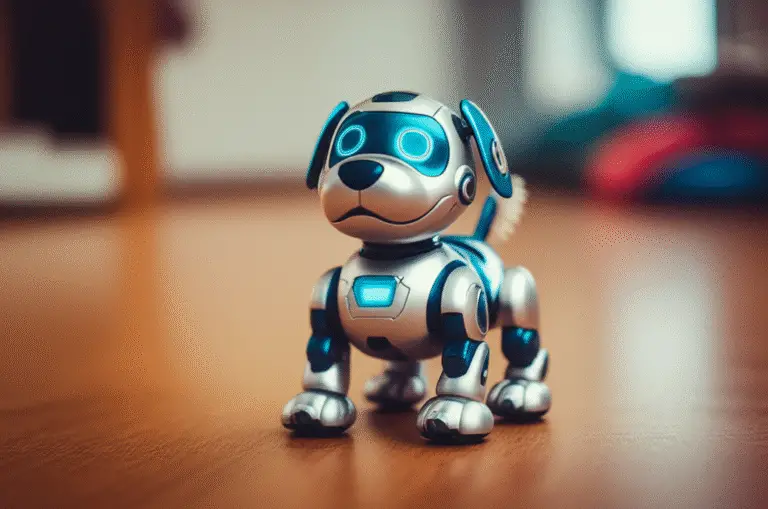
If your child loves gadgets, our guide to 18 Best Electronic Dog Toys for All Ages 🐶 is a useful companion. For a broader browse, explore our Electronic Toys, Educational Toys, and Building Blocks and Sets categories.
At-a-Glance Toy Brand Facts
| Question | Practical answer |
|---|---|
| Most versatile building brand | LEGO offers construction, storytelling, STEM, and collector sets. |
| Best-known classic doll brand | Barbie combines fashion, careers, role-play, and collecting. |
| Strong choice for open-ended pretend play | Melissa & Doug emphasizes hands-on, imaginative play. |
| Popular wooden educational brand | Hape makes wooden, preschool, and learning-focused toys. |
| Reliable family-game portfolio | Hasbro Gaming includes Monopoly, Clue, Guess Who?, and Connect 4. |
| Best for collectible character culture | Pokémon, Funko, Squishmallows, and TY are major names, but check small parts and trading-related age guidance. |
| Best first filter | Age label, safety information, child interest, durability, and whether the toy encourages more than one kind of play. |
Five Quick Buying Rules ✅
- Check the age range first. The U.S. Consumer Product Safety Commission warns that small parts can be choking hazards for young children.
- Choose open-ended play when possible. Blocks, play food, dolls, figures, art supplies, and pretend tools can support many stories rather than one button-pressing routine.
- Look beyond the box. Ask whether replacement pieces, batteries, storage, cleaning, and instructions will be manageable.
- Compare the brand with the actual product. A respected company can still make a toy that is noisy, fragile, overly screen-focused, or simply wrong for your child.
- Buy fewer, better-matched toys. Our own children usually return to a small group of favorites. The forgotten “must-have” toy? It often becomes a very expensive dust collector.
What Makes a Toy Brand Popular?
Popularity is a mixture of recognition, availability, child appeal, parent confidence, and repeat play. A brand becomes household-famous when children ask for it by name, parents can find it easily, retailers keep stocking it, and the product survives more than one birthday season.
Brand Reputation, Play Value, and Parent Trust
We evaluate popular toy brands using a practical Toy Brands™ scorecard rather than counting advertisements.
| Evaluation factor | What we look for | Why it matters |
|---|---|---|
| Design | Attractive appearance, sturdy construction, intuitive controls | Children should understand how to begin playing without a 20-minute parental engineering session. |
| Functionality | Does the toy do what it promises? | A “learning” toy should offer meaningful interaction, not merely flash lights. |
| Play longevity | Multiple ways to use it and growing challenge | A toy that works at age 3 and still interests a child at 5 earns its shelf space. |
| Durability | Materials, hinges, wheels, fasteners, and washable surfaces | Rough play is not a manufacturing defect; it is Tuesday. |
| Developmental value | Language, fine motor, spatial, social, or problem-solving opportunities | Play can be fun and educational without feeling like homework. |
| Safety transparency | Clear age guidance, warnings, materials, and recall information | Trust requires useful information, not just cheerful packaging. |
| Inclusivity | Range of skin tones, abilities, family structures, and interests | More children should see themselves represented in play. |
| Repairability and support | Replacement parts, customer service, warranty information | Lost bricks and missing doll shoes are not theoretical problems in our homes. |
| Value | Long-term use relative to quality and versatility | We do not list specific prices, but we do ask whether the toy earns repeat play. |
| Parent experience | Noise, cleanup, storage, batteries, and assembly | The adult living with the toy deserves a vote. |
A Toy Brands™ Rating Snapshot
These are brand-level averages, not laboratory scores for every individual product.
| Brand | Design | Functionality | Durability | Play longevity | Educational or developmental value | Parent convenience | Overall fit |
|---|---|---|---|---|---|---|---|
| LEGO | 10/10 | 10/10 | 10/10 | 10/10 | 9/10 | 7/10 | 9.3/10 |
| Melissa & Doug | 9/10 | 9/10 | 8/10 | 9/10 | 9/10 | 8/10 | 8.7/10 |
| Hape | 9/10 | 9/10 | 8/10 | 8/10 | 9/10 | 8/10 | 8.5/10 |
| Playmobil | 9/10 | 9/10 | 8/10 | 9/10 | 8/10 | 7/10 | 8.3/10 |
| Ravensburger | 9/10 | 9/10 | 8/10 | 8/10 | 9/10 | 8/10 | 8.5/10 |
| Fisher-Price | 8/10 | 8/10 | 8/10 | 8/10 | 8/10 | 8/10 | 8.0/10 |
| Mattel Barbie | 9/10 | 8/10 | 7/10 | 9/10 | 8/10 | 7/10 | 8.0/10 |
| Hasbro | 8/10 | 8/10 | 7/10 | 8/10 | 7/10 | 8/10 | 7.7/10 |
| VTech | 8/10 | 8/10 | 7/10 | 7/10 | 8/10 | 7/10 | 7.5/10 |
| Squishmallows | 9/10 | 7/10 | 7/10 | 8/10 | 6/10 | 9/10 | 7.7/10 |
How should you read this table? LEGO is not automatically the right choice for a child who wants a plush companion, and Squishmallows are not supposed to teach fractions. Ratings are useful only when matched to the intended job.
Licensed Characters Versus Original Toy Designs
Character brands such as Disney, Marvel, Pokémon, Bluey, PAW Patrol, and Star Wars can motivate children to play, retell stories, and connect toys with books or television. The trade-off is that licensing can make a product feel urgent and collectible, while the underlying toy may be ordinary.
✅ Choose licensed toys when:
- The character genuinely interests the child.
- The toy encourages pretend play, building, movement, or conversation.
- You can connect it with books, costumes, or cooperative games.
❌ Think twice when:
- The only appeal is a logo on a basic object.
- The child is pushed toward repeated collecting rather than using the toy.
- The product has unclear safety information or an unreliable seller.
The best character toy is not merely a miniature billboard. It gives the character somewhere interesting to go.
The History and Evolution of Leading Toy Brands

The most popular toy companies did not all begin in the same place. Some grew from wooden toys, some from dolls, some from board games, and others from construction systems or electronics.
Classic Toy Companies That Shaped Playtime
- LEGO began in Denmark and developed a construction system built around interlocking bricks.
- Mattel became known for Barbie, Hot Wheels, Fisher-Price, and other major toy lines.
- Hasbro grew from a family business into a global company associated with games, action figures, Play-Doh, and Nerf.
- Fisher-Price built its reputation around infant and preschool products.
- Playmobil created small figures and detailed play environments.
- Ravensburger became strongly associated with puzzles, games, and educational play.
- Melissa & Doug helped popularize wooden, hands-on, open-ended pretend play in many family homes.
- Hape expanded from wooden toys into a broad international educational range.
Brand history matters because it reveals what a company knows how to do well. A puzzle specialist may be a better choice for a family game than a fashion-doll company, while a construction brand may offer stronger spatial-play options than a plush specialist.
How Technology and Sustainable Design Changed Toys
Toy shelves now include:
- App-connected learning systems
- Programmable robots
- Audio players such as Tonies
- Electronic pets
- Augmented-reality games
- Magnetic construction tiles
- Recycled or bio-based materials
- Rechargeable batteries and USB charging
- Digital instructions and downloadable expansions
Technology can add feedback, accessibility, language support, and novelty, but it can also shorten play if the child is mainly watching. The American Academy of Pediatrics recommends thoughtful media habits and emphasizes that young children benefit from hands-on interaction and responsive adult involvement.
Our family test is simple: after the novelty fades, what remains? If the toy still invites building, pretending, sorting, moving, or solving, it has a stronger chance of lasting.
25 Most Popular Toy Brands for Kids and Families
This list includes major global brands, enduring classics, specialist companies, and fast-growing collectible names. We are not treating popularity as a synonym for perfection.
1. LEGO: Building Sets for Creative Construction
LEGO remains one of the strongest all-around toy brands because its pieces support construction, storytelling, engineering, display, and collaborative play.
| Strength | Limitation |
|---|---|
| Excellent fit and durability | Sets can be complex or costly to organize |
| Huge range of themes and age levels | Licensed themes may encourage collecting |
| Strong resale and hand-me-down potential | Small pieces require careful supervision |
| Encourages spatial thinking and persistence | Instructions can dominate open-ended play if adults do not add free-build time |
LEGO DUPLO serves younger builders with larger pieces, while LEGO Classic encourages free construction. LEGO Technic, LEGO Education, and themed sets add complexity for older children.
Our tip: Buy a basic brick assortment alongside themed sets. When the dragon, spaceship, or racing car has been built, the loose bricks keep the story alive.
2. Mattel: Barbie, Hot Wheels, Fisher-Price, and More
Mattel operates several of the most recognizable toy brands in the world, including Barbie, Hot Wheels, Fisher-Price, Matchbox, Polly Pocket, and UNO.
Mattel’s strengths include:
- Strong character recognition
- Broad age coverage
- Collectible and play-focused product lines
- Large retail availability
- Extensive partnerships and licensed properties
Its weakness is breadth: quality and play style vary considerably between product lines. Compare the individual toy’s materials, accessories, storage, and age range rather than relying on the Mattel name alone.
3. Hasbro: Play-Doh, Nerf, Transformers, and Board Games
Hasbro covers creative modeling, active play, action figures, dolls, and family games.
Notable lines include:
- Play-Doh
- Nerf
- Transformers
- Monopoly
- Clue
- Connect 4
- Guess Who?
- My Little Pony
Play-Doh is especially strong for sensory and fine-motor play, while Hasbro’s board games provide social interaction. Nerf products can encourage movement, but families should use eye protection where recommended and establish clear indoor rules.
4. Fisher-Price: Developmental Toys for Babies and Todlers
Fisher-Price is a familiar name infant and preschool play. Its products often include cause-and-effect buttons, pretend-play sets, stacking, music, movement, and early problem solving.
Look for:
- Large, easy-to-grip components
- Clear sound and volume controls
- Washable surfaces
- Simple cause-and-effect actions
- Age-appropriate sensory features
A musical toy can be wonderful in short bursts. It can also become the household’s unofficial alarm system, so parents should check volume and off switches before purchase.
5. Barbie: Dolls, Careers, Fashion, and Storytelling
Barbie has evolved from a fashion doll into a wide storytelling platform featuring careers, family roles, hobbies, body types, skin tones, mobility aids, and accessories.
Benefits include:
- Role-play and narrative development
- Practice with social language
- Fine-motor dressing and accessory play
- Opportunities to explore careers and identity
- Compatibility across many doll and play-set formats
Drawbacks may include small accessories, storage challenges, and a heavy emphasis on fashion in some collections. Pairing dolls with open-ended materials such as cardboard, blocks, art supplies, or play food can broaden the play world.
6. Hot Wheels: Toy Cars, Tracks, and Collectibles
Hot Wheels is a strong choice for children who enjoy speed, vehicles, ramps, collecting, and testing outcomes.
Hot Wheels play can involve:
- Cause and effect
- Basic physics
- Comparing speed and distance
- Designing ramps
- Cooperative racing
- Collecting and categorizing
Track systems can take up space and may require adult assembly. A few cars and a homemade cardboard ramp can offer surprisingly rich play without turning the living room into a permanent racetrack.
7. Nerf: Blasters and Active Indoor-Outdoor Play
Nerf is popular for active, competitive play. Blaster types vary widely, from simple foam-dart models to more advanced systems.
✅ Family safety checklist:
- Follow the package age recommendation.
- Never aim at faces or animals.
- Establish boundaries before play begins.
- Store darts separately from younger siblings.
- Use protective eyewear for organized games.
- Keep foam darts away from babies and pets.
Nerf is best when the game includes movement, teamwork, and rules rather than simply firing as fast as possible.
8. Play-Doh: Creative Modeling and Sensory Play
Play-Doh supports squeezing, rolling, flattening, cutting, stamping, and imaginative design.
It can help children practice:
- Hand strength
- Bilateral coordination
- Shape recognition
- Pretend cooking
- Storytelling
- Color mixing
Play-Doh is not edible, and children who still mouth objects need close supervision. Keep it sealed after play, use a washable mat, and inspect tools for cracks or detached pieces.
9. Melissa & Doug: Open-Ended Pretend Play
Melissa & Doug describes its products as “toys built for open-ended play” and promotes toys for “kids of every age, stage, and ability.” That focus shows up in pretend kitchens, play food, puzzles, wooden vehicles, dress-up, and early-learning products.
The brand’s strongest qualities are:
- Clear pretend-play themes
- Hands-on materials
- Familiar real-world scenarios
- Strong gift appeal
- Products that can work without screens or batteries
We have watched a wooden grocery set become a restaurant, doctor’s office, and spaceship snack bar. That is the magic of open-ended design: the box suggests one idea, but the child is not trapped inside it.
10. Hape: Wooden Educational Toys and Early Learning
Hape is known for wooden toys, early-learning products, musical instruments, puzzles, pretend play, and preschool construction.
Hape states that its products are “bestselling in over 100 countries and regions” and that the brand has “won 300+ toy awards worldwide.” Those are company claims, not independent market rankings, but they do indicate substantial international reach and recognition.
Strong Hape categories include:
- Wooden baby and toddler toys
- Shape sorters and stacking toys
- Pretend kitchens and food
- Musical instruments
- Puzzles
- Preschool science and construction
Check individual products for material details, cleaning instructions, and age guidance. “Wooden” does not automatically mean indestructible; a toy with hinges, thin pieces, or moving parts still deserves normal care.
11. VTech: Electronic Learning Toys for Young Children
VTech makes electronic books, infant toys, preschool systems, watches, cameras, and interactive learning products.
Potential benefits:
- Audio prompts and feedback
- Early vocabulary practice
- Letters, numbers, music, and matching
- Independent exploration
- Adjustable levels on some products
Potential drawbacks:
- Noise and flashing lights
- Battery dependence
- Less open-ended play
- Some toys can reward button pressing more than thinking
Parents should check volume controls, privacy information for connected products, and whether the toy can function without an internet connection.
12. LeapFrog: Interactive Learning and Educational Games
LeapFrog focuses on interactive learning, early literacy, numeracy, language, and educational systems.
LeapFrog can suit children who enjoy structured challenges and immediate feedback. It is less suitable when a family wants quiet, screen-free, open-ended play.
For children who struggle with frustration, look for:
- Adjustable difficulty
- Short activity loops
- Clear instructions
- Offline use
- Physical interaction rather than passive viewing
Our rule: electronic learning works best as one tool in a mixed play diet, not as the entire playroom menu.
13. Fisher-Price Little People: Imaginative Toddler Play
Little People uses chunky figures, vehicles, animals, buildings, and everyday settings for toddler-friendly pretend play.
It works well because:
- Figures are easy for small hands to grip.
- Sets encourage simple storytelling.
- Pieces are generally larger than traditional small-figure systems.
- Familiar routines help toddlers understand social roles.
Always check the exact product for small accessories and age guidance. Product lines change, and “toddler-friendly” is not a substitute for reading the package.
14. Playmobil: Detailed Figures and Pretend-Play Worlds
Playmobil is known for detailed figures, themed environments, vehicles, animals, and accessories.
It appeals to children who enjoy:
- World-building
- Historical settings
- Fantasy adventures
- Rescue scenarios
- Animals and family stories
- Collecting connected play sets
The tiny accessories are also the brand’s greatest challenge. A Playmobil world can produce wonderful sustained storytelling, but it can be a poor fit for a household with a crawling baby and a talent for finding the one missing sword.
15. Schleich: Realistic Animal Figures and Collectibles
Schleich makes detailed animal, fantasy, farm, and dinosaur figures.
The figures support:
- Animal identification
- Comparative play
- Sorting and classification
- Storytelling
- Small-world habitats
- Nature conversations
They are particularly useful when paired with books, art materials, blocks, or natural objects. Families should remember that detailed figures are often designed for older preschoolers and children, not mouthing infants.
16. Ravensburger: Puzzles, Games, and Brain-Boosting Play
Ravensburger offers jigsaw puzzles, family games, craft kits, and children’s activity products.
Puzzle benefits may include:
- Visual discrimination
- Persistence
- Fine-motor control
- Part-to-whole reasoning
- Quiet concentration
Choose piece counts based on experience rather than ambition. A child who finishes a manageable puzzle independently often gains more confidence than one who faces an overwhelming box and quietly relocates the pieces under the sofa.
17. Hasbro Gaming: Family Board Games and Card Games
Hasbro Gaming includes familiar games across different ages and skill levels.
| Game type | Skills practiced | Best family consideration |
|---|---|---|
| Matching games | Memory and visual scanning | Keep rounds short for younger players |
| Strategy games | Planning and flexible thinking | Explain rules with a sample turn |
| Word games | Vocabulary and communication | Adjust rules for reading ability |
| Chance-based games | Turn-taking and emotional regulation | Model graceful losing |
| Cooperative games | Teamwork and shared goals | Great for children who dislike direct competition |
A family game is not successful merely because everyone survives the rules explanation. The real test is whether someone asks to play again.
18. Pokémon: Trading Cards, Figures, and Collectible Toys
Pokémon spans trading cards, video games, plush, figures, books, and accessories.
Benefits include:
- Reading and categorization
- Strategic thinking
- Social exchange
- Character storytelling
- Collecting and organization
Challenges include:
- Small parts and cards
- Trading disputes
- Marketing pressure
- Uneven understanding of value
- Impulsive purchasing
Parents can make collecting healthier by setting a clear budget, teaching fair trading, and emphasizing play over rarity.
19. Funko: Pop Culture Figures and Collectibles
Funko is best known for stylized Pop! figures and licensed collectibles.
Funko is primarily a display and collection brand, although children may incorporate figures into storytelling. It suits older children, twens, teens, and adults more than toddlers because many products include small parts and are intended for collectors.
20. Squishmallows: Plush Toys and Collectible Characters
Squishmallows became popular through soft, rounded plush characters with distinctive names, designs, and collections.
Strengths:
- Comfort and sensory appeal
- Soft imaginative play
- Collectibility
- Broad character variety
- Easy gift appeal
Limitations:
- Storage can become a mountain range.
- Some versions are more collectible than playable.
- Plush toys require regular cleaning, especially favorites that travel everywhere.
Follow CPSC toy safety guidance and inspect seams, eyes, and small accessories.
21. TY: Beanie Bos, Beanie Babies, and Plush Collectibles
TY offers plush characters with bright designs and collectible appeal. Beanie Bos, in particular, attract children who enjoy expressive eyes, names, and themed collections.
TY plush works best as:
- A comfort object
- A storytelling character
- A travel companion
- A collection with simple organization rules
Avoid turning every plush into a financial promise. Collectible markets can change, and children should understand that sentimental value is not the same as resale value.
22. Jellycat: Soft Plush Toys for All Ages
Jellycat is known for distinctive, soft plush characters, including animals, food-shaped designs, and whimsical creatures.
Parents often choose Jellycat for:
- Comfort
- Baby gifts
- Sensory softness
- Nursery decoration
- Character-based storytelling
Read care instructions carefully. Some plush products are not machine washable, and an adored plush should not meet a mystery puddle without a cleaning plan.
23. Little Tikes: Outdoor Toys and Active Play Equipment
Little Tikes makes ride-ons, playhouses, slides, climbers, role-play toys, and outdoor equipment.
Benefits include:
- Gross-motor practice
- Active movement
- Social play
- Outdoor routines
- Pretend scenarios
Outdoor equipment requires careful installation, supervision, and inspection. The CPSC playground safety guidance recommends attention to protective surfacing, equipment condition, and age-appropriate use.
24. Magna-Tiles: Magnetic Construction and STEM Play
Magna-Tiles uses magnetic tiles for 2D patterns, 3D structures, tunnels, towers, and imaginative worlds.
Children can explore:
- Shape composition
- Balance
- Symetry
- Structural stability
- Cause and effect
- Early engineering language
Magnetic toys deserve special care. The CPSC magnetic toy safety information explains the serious dangers of swallowed high-powered loose magnets. Never use damaged magnetic pieces, and keep magnets away from children who mouth objects.
25. Tonies: Screen-Free Audio Stories and Music
Tonies combines physical character figures with audio stories, songs, and educational content.
Potential benefits:
- Screen-free listening
- Independent story access
- Calm routines
- Language exposure
- Imaginative play
Before buying, check content availability, setup requirements, volume, battery life, and whether your child prefers physical books. Audio is a wonderful addition, not a replacement for conversation and shared reading.
Best Toy Brands by Age Group
Age labels are a safety starting point, not a complete developmental assessment. Two children of the same age may have very different motor skills, attention spans, sensory preferences, and play interests.
Baby Toys for Newborns and Infants
Look for:
- One-piece rattles
- Textured teethers
- Soft books
- High-contrast visual toys
- Tummy-time toys
- Large graspable rings
- Activity gyms with securely attached components
Good brand starting points include Fisher-Price, Hape, Manhattan Toy, Lamaze, and Sophie la girafe. Always inspect toys for loose parts, damaged seams, peeling paint, and accessible batteries.
Toddler Toy Brands for Ages 1 to 3
Todlers often benefit from:
- Stacking cups
- Shape sorters
- Push-and-pull toys
- Chunky puzzles
- Large blocks
- Pretend food
- Simple musical instruments
- Water and sand tools
Melissa & Doug, Hape, Fisher-Price, Little People, LEGO DUPLO, and Green Toys are useful places to begin. Choose products that tolerate repetition; toddlers consider “again!” a perfectly reasonable design brief.
Preschool Toys for Ages 3 to 5
Preschoolers often enjoy:
- Dress-up and role-play
- Play kitchens
- Animal figures
- Building systems
- Craft kits
- Beginner board games
- Puzzles
- Simple science activities
Strong options include LEGO, Playmobil, Schleich, Ravensburger, Hape, Melissa & Doug, Crayola, and Learning Resources.
Popular Toys for Big Kids Ages 6 to 8
Look for:
- More complex building sets
- Strategy games
- Science kits
- Art and craft projects
- Beginner coding toys
- Outdoor games
- Collectible figures
- Chapter-book-related play
LEGO, Nintendo, Ravensburger, Snap Circuits, Thames & Kosmos, Pokémon, and Hasbro Gaming may appeal to this group.
Tween Toys, Collectibles, and Hobby Brands
Twens often prefer products that reflect identity and social interests:
- LEGO display sets
- Pokémon cards
- Funko collectibles
- Squishmallows
- Model kits
- Drawing tablets
- Robotics kits
- Board games with deeper strategy
- Creative fashion and craft projects
Respect the child’s interests even when they seem wonderfully strange. A tween who carefully organizes a card collection may be practicing budgeting, classification, negotiation, and patience.
Best Toy Brands by Play Type and Developmental Skill
The “best” brand depends on the kind of play you want to encourage.
Building and Construction Toys
Recommended brands:
- LEGO and LEGO DUPLO
- Magna-Tiles
- K’NEX
- Plus-Plus
- Mega Bloks
- Conetix
- Brio
- Hape
Construction toys can support spatial reasoning, planning, persistence, and early engineering. Browse our Building Blocks and Sets collection for more ideas.
Pretend Play and Role-Playing Toys
Strong choices include:
- Melissa & Doug
- Hape
- Playmobil
- Barbie
- Fisher-Price Little People
- Green Toys
- KidKraft
- Our Generation
Pretend play becomes richer when children have flexible props. A cardboard box can be a bakery, spaceship, animal hospital, or submarine. Do not underestimate the cardboard box; it has defeated many sophisticated play sets.
STEM, Science, and Educational Toys
Popular STEM brands include:
- Learning Resources
- Thames & Kosmos
- Snap Circuits
- LEGO Education
- Osmo
- KiwiCo
- Science4you
- Smartivity
- ThinkFun
For evidence-based guidance, the National Science Teaching Association offers resources on science learning and inquiry. The strongest STEM toys allow children to predict, test, adjust, and explain, rather than follow instructions mechanically.
Arts, Crafts, and Creative Toys
Consider:
- Crayola
- Faber-Castell
- Melissa & Doug
- Play-Doh
- Creativity for Kids
- Klutz
- Klutz LEGO craft books
- Djeco
Creative products should offer manageable success with room for personal choices. If every finished object must look exactly like the package, the activity may be closer to assembly than creativity.
Outdoor, Sports, and Active Toys
Popular brands include:
- Little Tikes
- Step2
- Radio Flyer
- Franklin Sports
- Nerf
- Razor
- Micro Kickboard
- Wiffle Ball
Check the American Academy of Pediatrics advice on sports and physical activity, and match equipment to the child’s size and skill.
Board Games, Puzzles, and Family Games
Recommended brands:
- Ravensburger
- Hasbro Gaming
- ThinkFun
- Blue Orange Games
- Gamewright
- HABA
- Days of Wonder
- Exploding Kittens
Game choice should reflect attention span, reading ability, tolerance for competition, and number of players. A cooperative game may be the smarter first choice for a child who treats losing like an international incident.
Dolls, Action Figures, and Character Toys
Popular brands include:
- Barbie
- American Girl
- Our Generation
- Disney
- Pokémon
- Transformers
- Marvel Legends
- Playmobil
- Schleich
Look for articulation, durability, accessory safety, representation, and compatibility with existing toys.
Plush Toys and Comfort Items
Well-known brands include:
- Jellycat
- Squishmallows
- TY
- Build-A-Bear Workshop
- Gund
- Aurora World
- Manhattan Toy
For babies, avoid plush toys in sleep spaces. The American Academy of Pediatrics safe-sleep guidance recommends keeping soft objects and loose bedding out of an infant’s sleep area.
Collectible Toys and Trading Products
Popular brands:
- Pokémon
- Funko
- LEGO Minifigures
- Sonny Angel
- Calico Criters
- Hatchimals
- Squishmallows
- TY
Explore our Collectible Toys category, but establish a family approach to trading, duplicates, spending, and storage before the collection starts breeding overnight.
Screen-Free Audio and Interactive Learning Toys
Good options include:
- Tonies
- Yoto
- LeapFrog
- VTech
- Osmo
- Storypod
Compare privacy, connectivity, volume, content costs, charging, and offline use. Our Educational Toys category includes more learning-focused ideas.
Best Sustainable and Eco-Friendly Toy Brands
Sustainable toy shopping involves more than choosing wood over plastic. Consider durability, repair, longevity, packaging, material transparency, and what happens at the end of the toy’s life.
Wooden Toy Brands and Renewable Materials
Brands often associated with wooden or responsibly designed toys include:
- Hape
- PlanToys
- Melissa & Doug
- Grimm’s
- Tender Leaf Toys
- Janod
- Vilac
- BeginAgain
Wood is not automatically sustainable. Ask:
- Is the wood source identified?
- Are finishes and paints disclosed?
- Can the toy be repaired?
- Is the product built to last?
- Is packaging excessive?
- Does the company publish meaningful environmental information?
Recycled Plastic and Responsible Packaging
Some brands use recycled plastic, cardboard packaging, or bio-based materials in portions of their ranges. Claims vary by product and market, so read the individual listing rather than assuming every item shares the same materials.
Useful verification resources include:
- FTC Green Guides
- EPA Sustainable Materials Management
- Forest Stewardship Council certification information
How to Spot Meaningful Sustainability Claims
✅ Look for:
- Specific percentages and materials
- Product-level information
- Independent certifications
- Repair or replacement support
- Durable construction
- Clear recycling instructions
❌ Be cautious of:
- “Eco-friendly” without evidence
- Green packaging with no material disclosure
- Claims that confuse recyclable packaging with a sustainable product
- Products designed primarily for rapid collecting and disposal
The most sustainable toy is often the one children use repeatedly, share with siblings, hand down, repair, or donate.
Child-Safe Materials, Toy Standards, and Recalls
Safety should never be an afterthought. The brand name helps, but the exact product, production batch, age label, and condition matter more.
Non-Toxic Plastics, Paints, Wood, and Fabrics
When available, check:
- Material descriptions
- Paint and finish information
- Battery compartment design
- Fabric care instructions
- ASTM F963 compliance statements for U.S. products
- Country-specific safety marks and regulations
The U.S. Consumer Product Safety Commission toy safety page explains common hazards and safety practices. For European products, consult European Commission toy safety information.
Age Labels, Choking Hazards, and Small Parts
Age guidance reflects more than intellectual difficulty. It may account for:
- Choking risk
- Sharp edges
- Magnets
- Long cords
- Sound levels
- Balance and riding skill
- Battery access
- Required supervision
A six-year-old may be intellectually ready for a complex kit, while a younger sibling can still be at risk from its smallest component. Store advanced toys separately when necessary.
Checking Toy Recalls and Product Safety Alerts
Before buying secondhand or accepting a hand-me-down:
- Find the manufacturer and exact product name.
- Record the model, item, or batch number.
- Search the CPSC recalls database.
- Check the manufacturer’s safety page.
- Inspect the physical toy for damage.
- Follow the recall remedy rather than improvising a repair.
For Canadian shoppers, use Health Canada recalls and safety alerts. For the United Kingdom, check GOV.UK product recalls.
Toy Safety Tips for Babies, Todlers, and Older Kids
- Babies: avoid small parts, loose magnets, long cords, and plush in sleep spaces.
- Todlers: supervise water, ride-on, and pretend-food play; inspect toys for broken pieces.
- Preschoolers: explain safe use of scissors, craft tools, and small accessories.
- School-age children: discuss projectile safety, batteries, magnets, and online features.
- All ages: remove damaged toys promptly and keep instructions accessible.
Why Educators and Child-Development Experts Recommend Certain Toy Brands
Educators rarely recommend a logo alone. They tend to value toys that encourage children to make choices, communicate, solve problems, repeat attempts, and connect ideas.
Open-Ended Play Versus Single-Use Entertainment
Open-ended toys can be used in several ways:
- Blocks become houses, bridges, or robots.
- Animal figures become a science lesson or a jungle story.
- Play food becomes a restaurant, grocery store, or math activity.
- Dolls become characters in family, school, or adventure narratives.
Melissa & Doug’s description of toys that “power up their creativity” and support “hands-on learning” aligns with this approach. The phrase is promotional, but the underlying principle is sound: flexible materials generally create more opportunities for child-directed play than toys with one fixed outcome.
Toys That Build Fine Motor and Problem-Solving Skills
Fine-motor opportunities include:
- Connecting LEGO bricks
- Turning puzzle pieces
- Dressing dolls
- Using Play-Doh tools
- Threading beads
- Operating simple latches
- Drawing, cutting, and folding
Problem solving may involve:
- Predicting whether a tower will stand
- Finding a puzzle strategy
- Adjusting a marble run
- Planning a pretend-game sequence
- Sorting cards by attributes
- Testing a ramp angle
The adult’s role is often to ask a good question, then wait. “What could you try next?” usually teaches more than taking over.
Social, Imaginative, and Cooperative Play
Social play helps children practice:
- Turn-taking
- Negotiation
- Perspective-taking
- Language
- Emotional regulation
- Rule-making
- Repairing disagreements
Board games and pretend play can create these opportunities naturally, but adults may need to model them. We have seen a cooperative game transform a tense afternoon because the children were solving a shared problem rather than competing over a winner.
Trusted Toy Brands Around the World
Toy popularity differs by country, retail access, culture, and media exposure. A brand that dominates one market may be less familiar elsewhere.
Popular American Toy Brands
- Mattel
- Hasbro
- Fisher-Price
- Little Tikes
- Melissa & Doug
- Crayola
- Radio Flyer
- American Girl
- Tyco
- Funko
Leading European Toy Brands
- LEGO, Denmark
- Playmobil, Germany
- Ravensburger, Germany
- Hape, associated with international operations and a strong European presence
- BRIO, Sweden
- Janod, France
- Djeco, France
- Maileg, Denmark
- Schleich, Germany
- Tonies, Germany
Hape reports that it is “bestselling in over 100 countries and regions” and has won “300+ toy awards worldwide.” Because these figures come from the brand’s own website, treat them as self-reported corporate information, not an independent global sales audit.
Japanese and Asian Toy Brands
- Bandai
- Takara Tomy
- Sanrio
- Nintendo
- Pokémon
- Sylvanian Families, known as Calico Criters in some markets
- MegaHouse
- Epoch
These companies are especially influential in character toys, collectibles, games, hobby products, and electronic entertainment.
International Toy Companies With Global Appeal
Global brands tend to succeed when they offer:
- Recognizable characters
- Consistent product systems
- Easy-to-understand play
- Localized packaging and content
- Replacement or expansion products
- Strong retail distribution
Still, local brands can offer better cultural relevance, language support, and design suited to regional play traditions.
How to Choose the Right Toy Brand
Here is our step-by-step method for families who want fewer regrets and more actual play.
Match the Toy to a Child’s Interests and Abilities
- Observe what the child already chooses.
- Identify the play pattern: building, pretending, collecting, moving, drawing, solving, or comforting.
- Check the age and skill requirements.
- Decide whether independent or shared play is the goal.
- Consider sensory preferences such as noise, texture, light, and movement.
A quiet child may adore a detailed construction set; another may need a large-movement toy after school. The brand matters less than the match.
Compare Durability, Play Longevity, and Value
Ask:
- Can the toy survive normal use?
- Does it have small parts likely to disappear?
- Can siblings share it?
- Will the child outgrow it quickly?
- Are replacement parts available?
- Does it support multiple stories or challenges?
- Is cleaning realistic for your home?
A modest-looking wooden puzzle used every week may be a better purchase than a spectacular toy used twice.
Read Reviews Without Getting Fooled by Hype
Look for review patterns, not one dramatic comment.
Useful review signals:
- Repeated reports of broken components
- Consistent praise for durability
- Comments from verified purchasers
- Photos showing real scale
- Information about assembly, sound, cleanup, and batteries
- Reviews written after several weeks of use
Review warnings:
- Many vague five-star comments
- Complaints about counterfeit products
- Reviews combining several unrelated versions
- Claims that conflict with the manufacturer’s specifications
- Ratings dominated by shipping issues rather than product performance
For safety claims, verify with official sources such as the CPSC recall database, not only retailer reviews.
Buying New, Secondhand, or Collectible Toys
New toys offer the clearest safety and return information.
Secondhand toys can be excellent for:
- LEGO
- Wooden blocks
- Puzzles with complete pieces
- Dolls and clothing
- Board games
- Pretend-play furniture
Avoid secondhand products with:
- Unknown recall status
- Damaged batteries or wiring
- Broken magnets
- Peling paint
- Missing safety equipment
- Cracked plastic
- Unclear infant-use history
Collectible toys require a separate mindset. Condition, authenticity, packaging, rarity, and market demand may matter, but none guarantees future value.
How to Avoid Counterfeit Toys and Unsafe Listings
- Buy from the manufacturer or an established retailer.
- Check spelling, logos, packaging, and seller identity.
- Be suspicious of unusually low offers.
- Compare product photos with the official brand page.
- Read return and warranty information.
- Avoid toys with missing manufacturer details.
- Never assume a marketplace listing has been independently safety-tested.
A real-looking box is not proof of a real product. Counterfeit toys can use unsafe materials, omit warnings, or include badly made batteries and magnets.
Popular Toy Brands for Birthdays, Holidays, and Gifts
Gift success depends on the child’s interests and the family’s tolerance for noise, clutter, assembly, and batteries. A gift can be loved by the child and still make the parent stare into the middle distance.
Best Toy Brands for First Birthdays
Consider:
- Hape
- Fisher-Price
- Manhattan Toy
- Melissa & Doug
- Green Toys
- LEGO DUPLO, when age-appropriate
- PlanToys
Choose large, graspable, washable, and sturdy products. Avoid tiny accessories and toys intended for older children.
Best Gifts for Preschoolers
Popular choices include:
- Melissa & Doug pretend-play sets
- Hape kitchens and puzzles
- LEGO DUPLO
- Playmobil 1.2.3
- Schleich figures
- Crayola art kits
- Ravensburger beginner puzzles
- Tonies audio systems
Ask parents about duplicate gifts, available space, and allergies before buying craft or sensory products.
Best Toys for School-Age Children
Try:
- LEGO sets
- Ravensburger puzzles
- Hasbro Gaming
- Snap Circuits
- Pokémon starter products
- Hot Wheels track systems
- Science kits
- Art and drawing kits
- Outdoor sports equipment
Choose challenge level carefully. “Advanced” is not always impressive if the child cannot start without adult rescue.
Crowd-Pleasing Family Gifts
Good shared gifts include:
- Cooperative board games
- Large construction sets
- Marble runs
- Family puzzles
- Pretend-play accessories
- Outdoor games
- Audio-story systems
- Craft stations
Shared gifts often create more value when adults participate initially and teach children how to continue independently.
Collectible and Limited-Edition Gift Ideas
Suitable brands include:
- Pokémon
- Funko
- Squishmallows
- LEGO minifigures
- TY
- Calico Criters
- Sonny Angel
- Build-A-Bear Workshop
Set expectations clearly: a collectible is primarily for enjoyment unless the family deliberately treats it as a hobby with budgets, storage, and authenticity checks.
Popular Toy Trends and Best-Selling Categories
Toy trends reveal what children are talking about, watching, collecting, and sharing. They do not necessarily reveal which products offer the most lasting play.
Building Sets and Creative Construction
Construction remains strong because it offers:
- A visible sense of progress
- Flexible difficulty
- Display value
- Solo or group play
- Engineering and storytelling
- Compatibility with previous collections
LEGO, Magna-Tiles, Conetix, K’NEX, and Plus-Plus represent different construction styles.
Collectibles, Blind Boxes, and Character Merchandise
Blind boxes and surprise products add anticipation, but they can also encourage repeated purchases and duplicates.
Parents can reduce pressure by:
- Setting a collection limit
- Trading duplicates fairly
- Buying individual favorites when possible
- Separating rarity from personal value
- Discussing advertising and impulse buying
Nostalgia Toys and Retro Revivals
Brands frequently refresh older products:
- Tamagotchi
- Polly Pocket
- Furby
- My Little Pony
- Care Bears
- Lite-Brite
- Etch A Sketch
- Classic board games
Nostalgia can help parents connect with children, but check whether the updated version preserves the play quality or merely borows the name.
Digital, Interactive, and Connected Toys
Connected toys can offer:
- Personalized feedback
- Audio content
- Language options
- Progress tracking
- App-based expansion
- Accessibility features
They also introduce questions about:
- Data privacy
- Wi-Fi dependence
- Software support
- Updates
- Advertising
- Battery replacement
- Screen habits
Read the manufacturer’s privacy policy and use parental controls where available. Our Electronic Toys category includes more options to compare.
Inclusive Dolls, Figures, and Representation
Many brands now offer greater variety in:
- Skin tone
- Hair texture
- Body shape
- Mobility aids
- Hearing devices
- Glasses
- Family roles
- Careers
- Cultural settings
Representation is not a decorative extra. It can support belonging and broaden children’s ideas about who participates in different activities and professions.
Popular Toy Brands: Strengths and Limitations
When Brand Recognition Is Worth It
A major brand may offer:
- Better documentation
- Consistent safety labeling
- Customer support
- Replacement parts
- Compatibility across product lines
- Easier returns
- Greater resale or hand-me-down potential
For construction systems, compatibility and long-term support can be especially valuable.
When a Smaller Toy Company May Better
Smaller brands may offer:
- Distinctive designs
- Local production
- Specialized educational approaches
- Less media-driven marketing
- Handmade or artisan construction
- Niche interests underserved by large companies
Look for transparent safety information, clear business details, realistic claims, and independent customer feedback.
Common Problems With Trend-Driven Toys
Watch for:
- Short-lived novelty
- Excessive packaging
- Collection pressure
- Hard-to-find accessories
- Loud sound effects
- Fragile electronics
- Limited replay value
- Pieces that are impossible to store
- Products designed for display rather than play
A popular toy can still be a poor fit. The question that settles the debate is wonderfully practical: Will your child choose it again next week?
Frequently Asked Questions About Popular Toy Brands
Which toy brands are known for high-quality and durable products?
LEGO, BRIO, Playmobil, Ravensburger, Hape, Melissa & Doug, and many products from Mattel and Hasbro have strong reputations, but quality varies by product line. Look for sturdy construction, clear safety information, replacement-part support, and repeated long-term review praise.
What are some classic toy brands that have stood the test of time?
LEGO, Barbie, Fisher-Price, Hot Wheels, Play-Doh, Nerf, Monopoly, Playmobil, Crayola, and Pokémon remain highly recognizable across generations. Their staying power comes from combinations of character appeal, repeatable play systems, cultural relevance, and broad availability.
Where can I find reviews and comparisons of different toy brands?
Use a mix of:
- Official brand specifications
- Retailer reviews from verified purchasers
- Independent consumer-safety information
- Professional parenting publications
- Toy award organizations
- CPSC recall notices
- Hands-on comparisons from trusted reviewers
Treat individual reviews as anecdotes and look for consistent patterns.
Which toy brands are popular among older kids and teenagers?
LEGO, Pokémon, Funko, Nintendo, Bandai, Ravensburger, Hasbro Gaming, K’NEX, Snap Circuits, and hobby brands such as Gunpla are popular choices. Interests vary widely, so ask whether the child prefers gaming, collecting, building, strategy, art, or outdoor activity.
What are the best toy brands for outdoor play?
Little Tikes, Step2, Radio Flyer, Franklin Sports, Wiffle Ball, Nerf, Razor, and Micro Kickboard are widely recognized options. Match equipment to the child’s age and ability, install it correctly, inspect it regularly, and use protective gear when appropriate.
Which toy brands offer sustainable and eco-friendly toys?
PlanToys, Hape, Green Toys, Grimm’s, Tender Leaf Toys, and selected products from LEGO, Mattel, and other large brands include sustainability-focused ranges or material initiatives. Verify product-level claims and look for durability, repairability, responsible packaging, and clear material information.
What are some popular toy brands that focus on STEM learning?
LEGO Education, Learning Resources, Thames & Kosmos, Snap Circuits, KiwiCo, Smartivity, Osmo, ThinkFun, and Magna-Tiles support different STEM skills. The strongest products encourage children to test ideas, solve problems, construct, measure, and explain outcomes.
Which toy brands are known for educational value?
Hape, Melissa & Doug, Ravensburger, Learning Resources, LEGO Education, VTech, LeapFrog, PlanToys, and ThinkFun are commonly associated with educational play. Check whether the specific product promotes active thinking and exploration rather than simply displaying educational words on the package.
What are the top-rated toy brands for infants and toddlers?
Fisher-Price, Hape, Manhattan Toy, Melissa & Doug, Green Toys, PlanToys, Lamaze, and LEGO DUPLO offer age-specific options. Always check the exact age label, inspect for small parts, and keep soft objects out of infant sleep spaces.
What are the different toy companies?
Major toy companies include Mattel, Hasbro, LEGO Group, Spin Master, MGA Entertainment, Bandai Namco, Ravensburger, Jazwares, Moose Toys, and Funko. Some own multiple brands, while others specialize in one category such as puzzles, construction, plush, or collectibles.
Which are the famous children’s toy companies?
The most recognizable names include LEGO, Mattel, Hasbro, Fisher-Price, Spin Master, Melissa & Doug, Hape, Playmobil, Ravensburger, Bandai, and Nintendo. Fame does not guarantee a perfect product, so compare the individual toy’s age range, safety, and play value.
What are the biggest toy companies in the United States?
Mattel and Hasbro are among the most prominent U.S.-based toy companies, while Spin Master, MGA Entertainment, Jazwares, Funko, and Radio Flyer are also important industry names. Company size and brand popularity can change, so confirm current corporate information through annual reports and official company pages.
Are expensive toy brands always better?
No. Brand reputation can improve consistency and support, but a lower-cost puzzle, block set, or pretend-play prop may provide more use than a highly marketed novelty toy. Choose based on durability, versatility, safety, and the child’s genuine interest.
What should parents do if a popular toy is recalled?
Stop using it, keep the product and identifying information, check the official recall notice, and follow the manufacturer’s or regulator’s remedy. Do not give a recalled toy to another family unless the recall has been properly resolved.