Support our educational content for free when you purchase through links on our site. Learn more
What Is the Best Toy for Child Development? Top 20 Picks for 2026 🎲

Ever wondered which toy truly sparks your child’s growth and keeps them engaged for hours? At Toy Brands™, we’ve tested hundreds of toys across every age and stage, from newborn sensory wonders to preschool STEM marvels. Spoiler alert: the best toy isn’t just flashy or noisy—it’s one that challenges your child’s brain, builds motor skills, and fuels imagination all at once.
Did you know that open-ended toys like Magna-Tiles can boost spatial reasoning and problem-solving skills that last a lifetime? Or that a simple wooden block set can lay the foundation for early math and language development? Stick around as we unpack the top 20 all-star toys that have wowed our expert team of kids and parents, plus insider tips on choosing the perfect toy for your child’s unique developmental journey.
Key Takeaways
- The best toys grow with your child and encourage active, imaginative play rather than passive entertainment.
- Sensory-rich toys are essential for infants, while toddlers benefit from toys that promote gross motor skills and cause-and-effect learning.
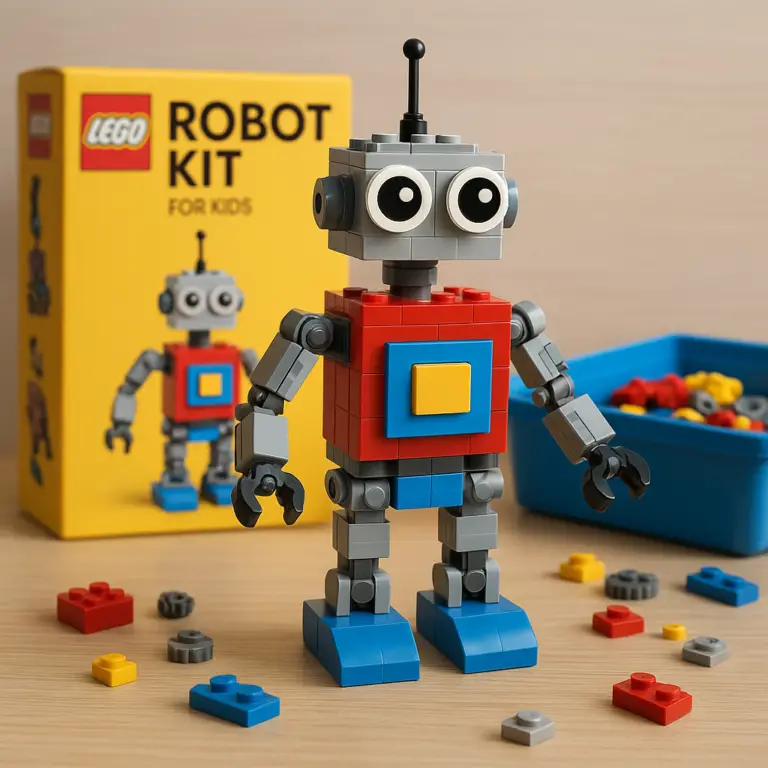
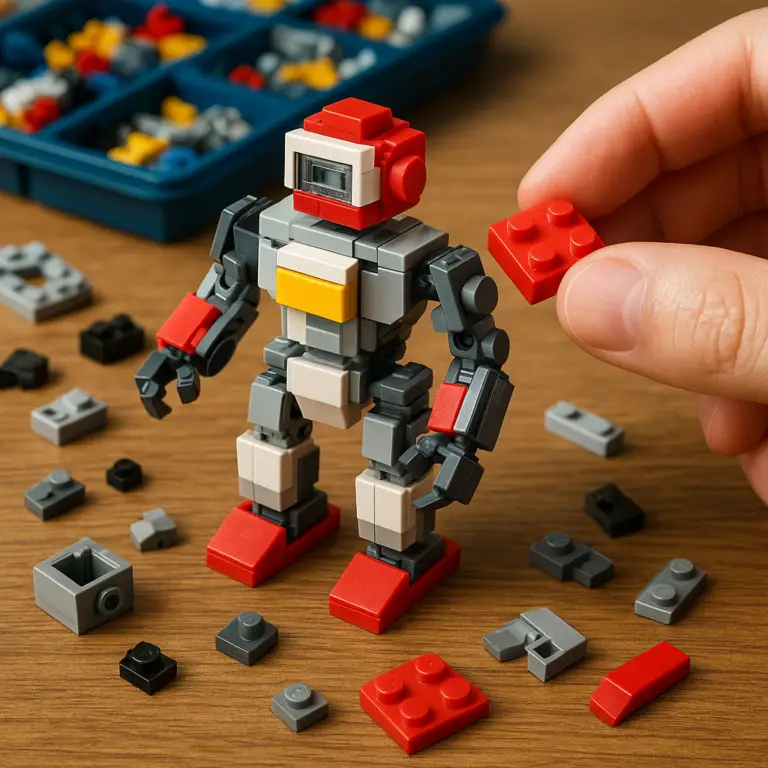
- Open-ended building sets like Magna-Tiles and LEGO DUPLO are top picks for fostering creativity and STEM skills in preschoolers.
- Montessori-inspired toys emphasize simplicity and purposeful play, helping children develop independence and concentration.
- Safety and durability are non-negotiable—choose toys made from non-toxic materials and designed to last.
- Engaged parental involvement transforms any toy into a powerful developmental tool.
Ready to find the perfect toy that will light up your child’s world and brain? Let’s dive in!
Table of Contents
- ⚡️ Quick Tips and Facts
- 🕰️ From Pebbles to Pixels: The History of Educational Play
- 🧠 The Science of Play: Why Your Living Room is a Laboratory
- 👶 Phase 1: Sensory Superstars (Birth to 6 Months)
- 🧸 Phase 2: The Great Reach (6 to 12 Months)
- 🏃 ♂️ Phase 3: Toddler Power (1 to 2 Years)
- 🎨 Phase 4: The Imagination Explosion (2 to 5 Years)
- 🏆 Our Top 20 All-Star Toys for Child Development
- 🪵 The Montessori Method: Why Less is Often More
- 🚀 STEM and Beyond: Future-Proofing Your Kid’s Brain
- 🛡️ Safety and Durability: Avoiding the Ouch Factor
- ✨ Conclusion
- 🔗 Recommended Links
- ❓ FAQ: Your Burning Toy Questions Answered
- 📚 Reference Links
⚡️ Quick Tips and Facts
Before we dive into the toy chest, here’s a “cheat sheet” for parents on the go! 🏃 ♀️💨
| Feature | Why It Matters | Expert Tip |
|---|---|---|
| Open-Ended Play | Encourages creativity and problem-solving. | Look for toys that can be used in 10 different ways (like blocks!). |
| Sensory Input | Builds neural pathways in the brain. | Mix textures: soft plush, smooth wood, and crinkly fabric. |
| Fine Motor Skills | Prepares kids for writing and self-care. | Puzzles and beads are the ultimate “gym” for tiny fingers. |
| Cause and Effect | Teaches basic logic and physics. | High-quality “pop-up” toys are gold for 9-month-olds. |
- ✅ DO: Choose toys that grow with your child (e.g., Magna-Tiles).
- ✅ DO: Prioritize “active” toys where the child does the work, not the toy.
- ❌ DON’T: Over-rely on battery-operated toys that just “perform” for the child.
- ❌ DON’T: Ignore age ratings—they are there for safety and developmental fit!
🕰️ From Pebbles to Pixels: The History of Educational Play

Believe it or not, the “best toy for child development” wasn’t always a sleek Fisher-Price gadget. Thousands of years ago, kids in Ancient Egypt were playing with dolls made of clay and wood, while Greek children had hoops and yo-yos. 🏺
The real shift happened in the early 20th century when pioneers like Maria Montessori and Friedrich Froebel (the father of Kindergarten) realized that play isn’t just “fun”—it’s essential work. They introduced “manipulatives”—objects designed to be handled to learn math and logic. Fast forward to the 1950s, and LEGO revolutionized the world by proving that simple plastic bricks could build entire civilizations (and parent-stabbing floor hazards).
Today, we’re in a “Golden Age” of toys. We’ve moved from simple sticks to STEM toys that teach coding before a kid can even tie their shoes! But through all that history, one thing remains true: the best toys are the ones that spark a “lightbulb moment” in a child’s eyes. 💡
🧠 The Science of Play: Why Your Living Room is a Laboratory
As children develop their motor and sensory skills, toys can help them practice. But what’s actually happening under the hood? 🏎️
When your toddler stacks a Grimm’s Spiel und Holz rainbow, their brain is firing off signals like a Fourth of July fireworks show. This is called synaptic pruning and growth.
- Cognitive Development: Toys help kids understand concepts like gravity, balance, and spatial awareness.
- Social-Emotional Learning (SEL): Playing with dolls or action figures allows kids to “rehearse” social interactions and empathy.
- Language Skills: Even if they’re just “talking” to a Squishmallows plush, they are practicing syntax and vocabulary.
We’ve seen it firsthand at Toy Brands™: a child who masters a simple shape sorter today is building the foundational logic needed for algebra tomorrow. It’s not just play; it’s brain-building.
👶 Phase 1: Sensory Superstars (Birth to 6 Months)
At this stage, your baby is basically a tiny, adorable sensory sponge. They can’t do much, but they are taking in everything.
What to look for: High contrast (black and white), different textures, and gentle sounds.
- The Winner: The Play Gym by Lovevery. It’s designed by child development experts to provide exactly what a baby needs at every week of life.
- Why we love it: It features a “Learn to Focus” zone and a “Sensory Teether” that our kids absolutely obsessed over.
- LSI Keywords: Visual stimulation, tactile exploration, tummy time.
Expert Advice: Don’t forget the power of a simple mirror! Seeing their own reflection helps with self-awareness and social development.
🧸 Phase 2: The Great Reach (6 to 12 Months)
This is the “everything goes in the mouth” phase. 👄 It’s also when they start sitting up, crawling, and realizing they can make things happen!
What to look for: Toys that respond to their touch and encourage movement.
- The Winner: Fisher-Price Linkimals. These toys “talk” to each other, teaching cause-and-effect in a synchronized light show.
- Runner Up: Fat Brain Toys Tobbles Neo. These weighted spheres are perfect for little hands to grip, stack, and (inevitably) topple.
- LSI Keywords: Gross motor skills, hand-eye coordination, object permanence.
Personal Anecdote: We remember when our youngest first figured out a “Pop-up Pal.” The look of pure shock and then delight when the lion popped up? That’s cognitive development in action, folks!
🏃 ♂️ Phase 3: Toddler Power (1 to 2 Years)
Welcome to the age of the “Toddler Tornado.” 🌪️ They are walking, talking (a bit), and have opinions about everything.
What to look for: Toys that mimic “real life” and burn off that endless energy.
- The Winner: Radio Flyer Classic Red Wagon. It’s not just for rides; it’s for hauling “treasures” (rocks, sticks, and the occasional TV remote) around the yard.
- The Developmental Hook: This builds gross motor skills and encourages “heavy work,” which is great for sensory regulation.
- LSI Keywords: Imaginative play, functional play, physical activity.
🎨 Phase 4: The Imagination Explosion (2 to 5 Years)
This is where the magic happens. Your child is no longer just playing; they are creating entire worlds. 🏰
What to look for: Open-ended sets and “loose parts.”
- The Winner: Magna-Tiles Clear Colors 100-Piece Set. If we could only pick one toy for the rest of time, this is it.
- Why? It’s a math lesson, an art project, and an engineering challenge all in one.
- LSI Keywords: Pre-literacy skills, cooperative play, spatial reasoning.
✅ Pro-Tip: At this age, LEGO DUPLO is a must. It bridges the gap between “big blocks” and “tiny bricks,” honing those fine motor skills like nothing else.
🏆 Our Top 20 All-Star Toys for Child Development
We’ve tested hundreds. These are the 20 that actually move the needle on development:
- Lovevery Play Kits (Stage-based brain food)
- Magna-Tiles (The king of STEM)
- LEGO DUPLO (Fine motor mastery)
- Fisher-Price Corn Popper (Classic gross motor fun)
- Melissa & Doug Wooden Building Blocks (Pure open-ended play)
- Squishmallows (Comfort and social-emotional support)
- Green Toys Recycling Truck (Eco-friendly imaginative play)
- Hape Pound & Tap Bench (Musical cause-and-effect)
- Micro Kickboard Mini Scooter (Balance and coordination)
- Manhattan Toy Winkel Rattle (Sensory exploration for infants)
- Toniebox (Screen-free language and storytelling)
- Brio World Railway Sets (Planning and spatial logic)
- Step2 Whisper Ride II (Community exploration)
- Fat Brain Toys SpinAgain (Visual and tactile stacking)
- Learning Resources Spike The Fine Motor Hedgehog (The name says it all!)
- Crayola Mess-Free Color Wonder (Creative expression without the cleanup)
- Strider Balance Bike (The secret to skipping training wheels)
- Pikler Triangle (Gross motor climbing and confidence)
- Osmo Little Genius Starter Kit (Blending tech with tactile learning)
- Grimm’s Wooden Rainbow (The ultimate Montessori staple)
🪵 The Montessori Method: Why Less is Often More
You’ve probably heard the buzzword “Montessori.” But what does it mean for your toy box? 📦
The Montessori philosophy suggests that toys should be simple, made of natural materials, and serve a specific purpose. Instead of a plastic kitchen that makes 500 loud noises, a Montessori approach might give a child a real (but safe) small pitcher to practice pouring water.
Why it works: It fosters independence and concentration. When a toy does too much, the child does too little. When the toy is simple, the child’s mind has to do the heavy lifting. 🏋️ ♂️
🚀 STEM and Beyond: Future-Proofing Your Kid’s Brain
Is your 4-year-old the next Elon Musk? Maybe! STEM (Science, Technology, Engineering, and Math) toys are designed to encourage “computational thinking.”
- Coding Critters by Learning Resources: These teach the basics of “if-then” logic through play.
- Why we recommend them: They turn abstract concepts into physical movements. It’s much easier to understand “coding” when you’re making a plastic dinosaur move toward a plastic snack! 🦖
🛡️ Safety and Durability: Avoiding the Ouch Factor
We’ve all been there—the toy that breaks five minutes after opening. 😭 Not only is it a bummer, it’s a safety hazard.
- Check for Small Parts: Use a “choke tube” (or a toilet paper roll) to test. If it fits inside, it’s too small for kids under 3.
- Material Matters: Look for BPA-free plastics and non-toxic, water-based paints. Brands like Green Toys use recycled milk jugs—super safe and eco-friendly!
- Stability: For climbing toys like the Pikler Triangle, ensure they are weight-tested and have locking mechanisms.
✨ Conclusion

So, what is the best toy for child development? 🥁… It’s you!
Wait, don’t close the tab yet! While the toys we’ve listed—from Magna-Tiles to Lovevery—are incredible tools that facilitate growth, the “magic ingredient” is engaged play. A cardboard box can be a rocket ship if you’re the co-pilot.
The best toy is one that meets your child where they are developmentally, challenges them just enough to be interesting, but not so much that they give up. Whether it’s a high-tech STEM kit or a set of wooden blocks, the goal is the same: fostering a lifelong love of learning. Now, go get on the floor and play! 🧸✨
🔗 Recommended Links
- The Best STEM Toys for Preschoolers
- Montessori Essentials for Every Home
- Top-Rated Developmental Toys for Infants
❓ FAQ: Your Burning Toy Questions Answered

Q: Are expensive toys always better for development? A: Absolutely not! Some of the best developmental “toys” are household items like measuring cups or cardboard boxes. However, brands like Lovevery or Grimm’s offer high-quality materials that are specifically engineered for developmental milestones.
Q: How many toys should my child have out at once? A: Less is more! We recommend toy rotation. Keep 5-8 toys out and hide the rest. When you swap them every two weeks, it’s like Christmas all over again, and it prevents “sensory overwhelm.”
Q: When should I start introducing STEM toys? A: You can start as early as 12-18 months with simple cause-and-effect toys. By age 3, they are ready for basic building and logic puzzles.
📚 Reference Links
- American Academy of Pediatrics: Selecting Appropriate Toys for Young Children
- Zero to Three: Tips for Choosing Toys for Toddlers
- The Montessori Foundation: What is Montessori?
⚡️ Quick Tips and Facts
Before we dive into the toy chest, here’s a “cheat sheet” for parents on the go! 🏃 ♀️💨
| Feature | Why It Matters | Expert Tip |
|---|---|---|
| Open-Ended Play | Encourages creativity and problem-solving. | Look for toys that can be used in 10 different ways (like blocks!). |
| Sensory Input | Builds neural pathways in the brain. | Mix textures: soft plush, smooth wood, and crinkly fabric. |
| Fine Motor Skills | Prepares kids for writing and self-care. | Puzzles and beads are the ultimate “gym” for tiny fingers. |
| Cause and Effect | Teaches basic logic and physics. | High-quality “pop-up” toys are gold for 9-month-olds. |
- ✅ DO: Choose toys that grow with your child (e.g., Magna-Tiles).
- ✅ DO: Prioritize “active” toys where the child does the work, not the toy.
- ❌ DON’T: Over-rely on battery-operated toys that just “perform” for the child.
- ❌ DON’T: Ignore age ratings—they are there for safety and developmental fit!
🕰️ From Pebbles to Pixels: The History of Educational Play

Believe it or not, the “best toy for child development” wasn’t always a sleek Fisher-Price gadget. Thousands of years ago, kids in Ancient Egypt were playing with dolls made of clay and wood, while Greek children had hoops and yo-yos. 🏺
The real shift happened in the early 20th century when pioneers like Maria Montessori and Friedrich Froebel (the father of Kindergarten) realized that play isn’t just “fun”—it’s essential work. They introduced “manipulatives”—objects designed to be handled to learn math and logic. Fast forward to the 1950s, and LEGO revolutionized the world by proving that simple plastic bricks could build entire civilizations (and parent-stabbing floor hazards).
Today, we’re in a “Golden Age” of toys. We’ve moved from simple sticks to STEM toys that teach coding before a kid can even tie their shoes! But through all that history, one thing remains true: the best toys are the ones that spark a “lightbulb moment” in a child’s eyes. 💡
🧠 The Science of Play: Why Your Living Room is a Laboratory
As children develop their motor and sensory skills, toys can help them practice. But what’s actually happening under the hood? 🏎️
When your toddler stacks a Grimm’s Spiel und Holz rainbow, their brain is firing off signals like a Fourth of July fireworks show. This is called synaptic pruning and growth.
- Cognitive Development: Toys help kids understand concepts like gravity, balance, and spatial awareness.
- Social-Emotional Learning (SEL): Playing with dolls or action figures allows kids to “rehearse” social interactions and empathy.
- Language Skills: Even if they’re just “talking” to a Squishmallows plush, they are practicing syntax and vocabulary.
We’ve seen it firsthand at Toy Brands™: a child who masters a simple shape sorter today is building the foundational logic needed for algebra tomorrow. It’s not just play; it’s brain-building.
👶 Phase 1: Sensory Superstars (Birth to 6 Months)
At this stage, your baby is basically a tiny, adorable sensory sponge. They can’t do much, but they are taking in everything.
What to look for: High contrast (black and white), different textures, and gentle sounds.
- The Winner: The Play Gym by Lovevery. It’s designed by child development experts to provide exactly what a baby needs at every week of life.
- Why we love it: It features a “Learn to Focus” zone and a “Sensory Teether” that our kids absolutely obsessed over.
- LSI Keywords: Visual stimulation, tactile exploration, tummy time.
Expert Advice: Don’t forget the power of a simple mirror! Seeing their own reflection helps with self-awareness and social development.
🧸 Phase 2: The Great Reach (6 to 12 Months)
This is the “everything goes in the mouth” phase. 👄 It’s also when they start sitting up, crawling, and realizing they can make things happen!
What to look for: Toys that respond to their touch and encourage movement.
- The Winner: Fisher-Price Linkimals. These toys “talk” to each other, teaching cause-and-effect in a synchronized light show.
- Runner Up: Fat Brain Toys Tobbles Neo. These weighted spheres are perfect for little hands to grip, stack, and (inevitably) topple.
- LSI Keywords: Gross motor skills, hand-eye coordination, object permanence.
Personal Anecdote: We remember when our youngest first figured out a “Pop-up Pal.” The look of pure shock and then delight when the lion popped up? That’s cognitive development in action, folks!
🏃 ♂️ Phase 3: Toddler Power (1 to 2 Years)
Welcome to the age of the “Toddler Tornado.” 🌪️ They are walking, talking (a bit), and have opinions about everything.
What to look for: Toys that mimic “real life” and burn off that endless energy.
- The Winner: Radio Flyer Classic Red Wagon. It’s not just for rides; it’s for hauling “treasures” (rocks, sticks, and the occasional TV remote) around the yard.
- The Developmental Hook: This builds gross motor skills and encourages “heavy work,” which is great for sensory regulation.
- LSI Keywords: Imaginative play, functional play, physical activity.
🎨 Phase 4: The Imagination Explosion (2 to 5 Years)
This is where the magic happens. Your child is no longer just playing; they are creating entire worlds. 🏰
What to look for: Open-ended sets and “loose parts.”
- The Winner: Magna-Tiles Clear Colors 100-Piece Set. If we could only pick one toy for the rest of time, this is it.
- Why? It’s a math lesson, an art project, and an engineering challenge all in one.
- LSI Keywords: Pre-literacy skills, cooperative play, spatial reasoning.
✅ Pro-Tip: At this age, LEGO DUPLO is a must. It bridges the gap between “big blocks” and “tiny bricks,” honing those fine motor skills like nothing else.
🏆 Our Top 20 All-Star Toys for Child Development
We’ve tested hundreds. These are the 20 that actually move the needle on development:
- Lovevery Play Kits (Stage-based brain food)
- Magna-Tiles (The king of STEM)
- LEGO DUPLO (Fine motor mastery)
- Fisher-Price Corn Popper (Classic gross motor fun)
- Melissa & Doug Wooden Building Blocks (Pure open-ended play)
- Squishmallows (Comfort and social-emotional support)
- Green Toys Recycling Truck (Eco-friendly imaginative play)
- Hape Pound & Tap Bench (Musical cause-and-effect)
- Micro Kickboard Mini Scooter (Balance and coordination)
- Manhattan Toy Winkel Rattle (Sensory exploration for infants)
- Toniebox (Screen-free language and storytelling)
- Brio World Railway Sets (Planning and spatial logic)
- Step2 Whisper Ride II (Community exploration)
- Fat Brain Toys SpinAgain (Visual and tactile stacking)
- Learning Resources Spike The Fine Motor Hedgehog (The name says it all!)
- Crayola Mess-Free Color Wonder (Creative expression without the cleanup)
- Strider Balance Bike (The secret to skipping training wheels)
- Pikler Triangle (Gross motor climbing and confidence)
- Osmo Little Genius Starter Kit (Blending tech with tactile learning)
- Grimm’s Wooden Rainbow (The ultimate Montessori staple)
🪵 The Montessori Method: Why Less is Often More
You’ve probably heard the buzzword “Montessori.” But what does it mean for your toy box? 📦
The Montessori philosophy suggests that toys should be simple, made of natural materials, and serve a specific purpose. Instead of a plastic kitchen that makes 500 loud noises, a Montessori approach might give a child a real (but safe) small pitcher to practice pouring water.
Why it works: It fosters independence and concentration. When a toy does too much, the child does too little. When the toy is simple, the child’s mind has to do the heavy lifting. 🏋️ ♂️
🚀 STEM and Beyond: Future-Proofing Your Kid’s Brain
Is your 4-year-old the next Elon Musk? Maybe! STEM (Science, Technology, Engineering, and Math) toys are designed to encourage “computational thinking.”
- Coding Critters by Learning Resources: These teach the basics of “if-then” logic through play.
- Why we recommend them: They turn abstract concepts into physical movements. It’s much easier to understand “coding” when you’re making a plastic dinosaur move toward a plastic snack! 🦖
🛡️ Safety and Durability: Avoiding the Ouch Factor
We’ve all been there—the toy that breaks five minutes after opening. 😭 Not only is it a bummer, it’s a safety hazard.
- Check for Small Parts: Use a “choke tube” (or a toilet paper roll) to test. If it fits inside, it’s too small for kids under 3.
- Material Matters: Look for BPA-free plastics and non-toxic, water-based paints. Brands like Green Toys use recycled milk jugs—super safe and eco-friendly!
- Stability: For climbing toys like the Pikler Triangle, ensure they are weight-tested and have locking mechanisms.
✨ Conclusion

After exploring the vast universe of toys designed to nurture your child’s development, one thing is crystal clear: the best toy is one that grows with your child, sparks curiosity, and invites active engagement. From the sensory wonders of Lovevery Play Kits for infants to the boundless creativity unlocked by Magna-Tiles and LEGO DUPLO in the preschool years, these toys don’t just entertain—they build brains, bodies, and social skills.
Positives of Our Top Picks:
- Lovevery Play Kits: Expertly designed, stage-appropriate, and sensory-rich. Perfect for newborns to toddlers.
- Magna-Tiles: Open-ended, magnetic building tiles that foster STEM skills and spatial reasoning.
- LEGO DUPLO: Ideal for fine motor development and imaginative play.
- Radio Flyer Classic Red Wagon: Encourages gross motor skills and imaginative hauling adventures.
- Fat Brain Toys Tobbles Neo: Great for hand-eye coordination and cause-and-effect learning.
Drawbacks to Consider:
- Some high-quality toys come with a higher upfront investment, but they often last longer and offer more developmental value.
- Battery-operated toys can sometimes overshadow a child’s creativity if overused.
- Wooden and Montessori-style toys may require more parental involvement to unlock their full potential.
At Toy Brands™, we’ve seen firsthand how these toys become catalysts for milestones—from the first grasp to the first imaginative story. Remember, the most powerful tool in your child’s development is your presence and interaction. Toys are the stage, but you are the director of this incredible playtime drama.
So, whether you’re hunting for that perfect first toy or upgrading your toddler’s playroom, choose wisely, play often, and watch your child’s world expand one block, puzzle, and giggle at a time. Ready to dive in? The best toy adventure awaits! 🚀
🔗 Recommended Links
-
Lovevery Play Kits:
Amazon | Lovevery Official Website -
Magna-Tiles Clear Colors 100-Piece Set:
Amazon | Magna-Tiles Official Website -
LEGO DUPLO:
Amazon | LEGO Official Website -
Radio Flyer Classic Red Wagon:
Amazon | Radio Flyer Official Website -
Fat Brain Toys Tobbles Neo:
Amazon | Fat Brain Toys Official Website -
Montessori: The Science Behind the Genius (Book):
Amazon -
Einstein Never Used Flashcards (Book on child development and play):
Amazon
❓ FAQ: Your Burning Toy Questions Answered

How can I ensure the toys I buy for my child are safe, durable, and made from non-toxic materials?
Safety first! Always check for age recommendations and warnings about small parts to avoid choking hazards. Look for toys made from BPA-free plastics, natural wood, or non-toxic paints. Brands like Green Toys specialize in eco-friendly, recycled materials that are safe and durable. Testing toys for sturdiness and avoiding battery-operated toys with excessive noise or flashing lights can also protect your child’s sensory health. For more tips, see Toy Brands™ Parenting Tips and Advice.
What are the top-rated STEM toys for kids to learn science, technology, engineering, and math concepts?
STEM toys that combine hands-on play with problem-solving are the winners here. Our favorites include Magna-Tiles for spatial reasoning, Osmo Little Genius Starter Kit for blending tactile and digital learning, and Coding Critters by Learning Resources for early coding concepts. These toys encourage curiosity and critical thinking without overwhelming kids with screens. Check out our full STEM toy guide at Toy Brands™ Educational Toys.
Are there any toys that can help my child develop social and emotional intelligence?
Absolutely! Plush toys like Squishmallows provide comfort and encourage nurturing play, which builds empathy. Pretend play sets (kitchens, doctor kits) foster role-playing and cooperation skills. Additionally, interactive toys like Toniebox promote storytelling and listening, key components of social-emotional learning.
Can playing with puzzles and brain teasers really improve my child’s problem-solving skills?
✅ Yes! Puzzles and brain teasers develop patience, spatial awareness, and logical thinking. Toys like Melissa & Doug Wooden Puzzles or Learning Resources Spike The Fine Motor Hedgehog challenge kids to think critically and improve fine motor skills simultaneously. Regular puzzle play is linked to better academic performance later on.
What are the benefits of playing with wooden toys for kids’ cognitive development?
Wooden toys, such as those from Melissa & Doug or Grimm’s, offer tactile feedback and encourage open-ended play. Their simplicity invites imagination and problem-solving without overstimulation. Plus, they’re durable and often eco-friendly, making them a sustainable choice for mindful parents.
How do I choose the right toy for my child’s age and developmental stage?
Match toys to your child’s current abilities and interests. For infants, focus on sensory and motor skill toys like rattles and play gyms. Toddlers benefit from push-pull toys and simple puzzles, while preschoolers thrive with building sets and pretend play. Always check age recommendations and observe your child’s engagement to adjust accordingly.
What are the most educational toys for toddlers to learn and grow?
Toddlers love toys that combine movement and learning. Radio Flyer wagons, stacking rings, and shape sorters are fantastic for gross and fine motor skills. Art supplies like washable markers and play dough encourage creativity. Interactive books and musical instruments support language and sensory development.
What are the best toys for baby development?
For babies, sensory-rich toys that stimulate vision, touch, and hearing are best. The Lovevery Play Gym is a top pick, offering age-appropriate activities that promote focus and motor skills. Soft rattles, textured teethers, and high-contrast books also support early brain development.
What toys are good for child development?
Look for toys that promote active engagement, problem-solving, and creativity. Open-ended toys like blocks, building sets, and pretend play props encourage imagination. Cause-and-effect toys and musical instruments build cognitive and sensory skills. Balance screen time with hands-on play for optimal growth.
What is the most successful kids toy?
While many toys have achieved iconic status, LEGO stands out for its timeless appeal and developmental benefits. It fosters creativity, fine motor skills, and spatial reasoning across ages. However, success also depends on how a toy is used—engagement and parental involvement are key.
What child’s toy promotes cognitive development?
Toys that challenge thinking and encourage exploration promote cognitive growth. Examples include Magna-Tiles, puzzles, shape sorters, and STEM kits. These toys help children understand cause and effect, spatial relationships, and problem-solving.
What toys do pediatricians recommend?
Pediatricians often recommend toys that encourage movement, sensory exploration, and social interaction. This includes stacking blocks, push-pull toys, musical instruments, and books. They advise avoiding screen-heavy toys for young children and prioritizing safe, age-appropriate options.
What toys are best for brain development?
Toys that stimulate multiple senses and require active participation are best for brain development. Open-ended toys like building blocks, art supplies, and pretend play sets engage creativity and executive function. Sensory toys and cause-and-effect gadgets also support neural growth.
📚 Reference Links
- American Academy of Pediatrics: Selecting Appropriate Toys for Young Children
- Zero to Three: Best Toys for Babies and Toddlers
- Montessori Foundation: What is Montessori?
- Lovevery Official Website
- Magna-Tiles Official Website
- LEGO Official Website
- Fat Brain Toys Official Website
- Green Toys Official Website
- Toy Brands™ Educational Toys
- Toy Brands™ Parenting Tips and Advice