Support our educational content for free when you purchase through links on our site. Learn more
What Does a Robot Dog Toy Do? 🤖 10 Surprising Things It Can Do (2026)

Imagine a furry friend that never needs feeding, never sheds, and can perform tricks on command—all while fitting in your living room! Robot dog toys have come a long way from simple mechanical pups to interactive companions packed with smart features. But what exactly do these clever gadgets do, and how can they bring joy and learning to kids and families?
At Toy Brands™, we’ve tested everything from the budget-friendly VATOS Remote Control Robot Dog to the high-tech Sony AIBO and even research-grade robots like Unitree Go1 Pro. In this article, we’ll uncover 10 surprising things a robot dog toy can do, from mimicking real dog behaviors to teaching STEM skills. Plus, we’ll share expert tips on choosing the perfect model, maintaining it, and even fun ways to play. Curious about how a robot dog can become your child’s new best friend? Keep reading—you might be surprised!
Key Takeaways
- Robot dog toys simulate real pet behaviors like walking, barking, and responding to voice commands, making playtime immersive and fun.
- Many models include interactive sensors and programmability, offering educational benefits beyond simple entertainment.
- Battery life and durability vary widely, so choosing the right model depends on your child’s age and play style.
- Robot dogs are a great alternative for families who can’t have real pets due to allergies or lifestyle constraints.
- Top brands like WowWee, Sony AIBO, and VATOS offer a range of options from beginner to advanced.
- Fun activities include trick training, obstacle courses, and STEM coding projects that boost cognitive and social skills.
Ready to find the perfect robot dog toy? Explore our detailed reviews and expert advice throughout this article!
Table of Contents
- ⚡️ Quick Tips and Facts About Robot Dog Toys
- 🐾 The Evolution of Robot Dog Toys: From Gimmicks to Gadgets
- 🤖 What Does a Robot Dog Toy Actually Do? Features and Functions Explained
- 🎮 Top 7 Interactive Robot Dog Toys That Kids and Parents Love
- 🧠 How Robot Dog Toys Help Develop Kids’ Cognitive and Social Skills
- 🔋 Powering Up: Battery Life and Charging Tips for Robot Dog Toys
- 🎉 Fun Play Ideas and Activities with Your Robot Dog Toy
- 🛠️ Maintenance and Troubleshooting: Keeping Your Robot Dog Toy Wagging
- 💡 Choosing the Perfect Robot Dog Toy: What to Look For
- 🐕 Robot Dog Toys vs. Real Dogs: Pros, Cons, and When to Choose Which
- 🌟 The Future of Robot Dog Toys: Innovations on the Horizon
- 📝 Conclusion: Why Robot Dog Toys Are More Than Just Playthings
- 🔗 Recommended Links for Robot Dog Toy Enthusiasts
- ❓ Frequently Asked Questions About Robot Dog Toys
- 📚 Reference Links and Sources
⚡️ Quick Tips and Facts About Robot Dog Toys
Welcome to the fascinating world of robot dog toys! At Toy Brands™, we’ve seen these clever companions evolve from simple wind-up gadgets to interactive, smart playmates that can mimic real dogs in surprising ways. Whether you’re a parent hunting for the perfect electronic toy or a kid dreaming of a pet that never needs feeding, here’s a quick rundown to get you started:
- Robot dog toys simulate real dog behaviors: walking, barking, wagging tails, and responding to commands.
- They often include voice recognition, touch sensors, and obstacle avoidance for interactive play.
- Battery life varies widely—some last minutes, others hours, so charging habits matter!
- Many models are programmable, offering educational value beyond just fun.
- They’re great for kids who can’t have real pets due to allergies, space, or lifestyle.
- Noise levels can be a concern; some robot dogs bark loudly, while others are quieter.
- Durability varies—some toys withstand rough play, others are more delicate.
- Prices range from budget-friendly to premium, depending on features and brand.
For a deep dive into what robot dog toys do and how to pick the best one, keep reading! And if you want to explore our full guide on robot dog toys, check out this article on Toy Brands™.
🐾 The Evolution of Robot Dog Toys: From Gimmicks to Gadgets
Robot dog toys have come a long way since the days of clunky mechanical pups that just rolled around. Today, they’re sophisticated marvels of engineering, blending robotics, AI, and user-friendly design.
Early Beginnings: Mechanical and Wind-Up Toys
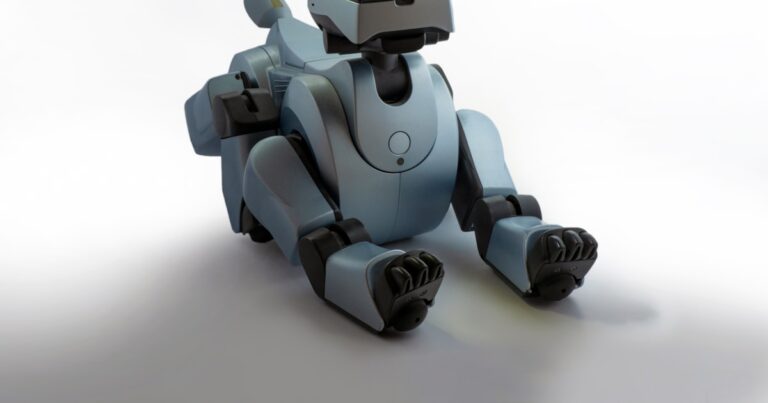
Back in the 1980s and 90s, robot dogs were mostly mechanical toys with limited movement and no real interactivity. Think of the classic Sony AIBO, launched in 1999, which was a game-changer with its ability to learn and respond.
The Rise of Interactive Features
Fast forward to the 2010s, and brands like WowWee and Hasbro introduced robot dogs that could bark, respond to touch, and even follow simple commands. These toys used infrared sensors and basic AI to mimic pet behavior.
Today’s Smart Robot Dogs
Now, robot dogs like the Unitree Go1 Pro (more on that later) and consumer models such as the VATOS Remote Control Robot Dog bring advanced sensors, voice control, and obstacle avoidance. They can perform tricks, learn routines, and even “express emotions” through LED eyes and sounds.
Fun fact: According to Probot Oy, robot dogs can now navigate stairs and complex terrain thanks to their four-legged design, a feature that sets them apart from wheeled robots.
🤖 What Does a Robot Dog Toy Actually Do? Features and Functions Explained
Let’s break down the core functions of robot dog toys, from basic to advanced:
| Feature | Description | Benefit for Kids and Parents |
|---|---|---|
| Movement & Mobility | Walk, sit, lie down, wag tail, sometimes run or jump | Mimics real dog behavior for immersive play |
| Sound Effects | Barking, whining, beeping, sometimes singing | Adds realism and engagement |
| Voice Command Response | Responds to simple commands like “sit,” “come,” or “stay” | Encourages interaction and learning |
| Touch Sensors | Reacts to petting or tapping | Builds empathy and care-taking skills |
| Obstacle Avoidance | Uses sensors to detect and avoid objects | Prevents crashes and extends toy lifespan |
| Remote Control / App | Controlled via remote or smartphone app | Adds convenience and programmable play |
| Programmability | Some models allow coding or custom routines | Educational, STEM-friendly |
| Emotional Expressions | LED eyes, tail wagging, sounds to simulate moods | Enhances bonding and imaginative play |
Real-World Example: VATOS Remote Control Robot Dog
This popular toy (see Amazon UK) can perform tricks, respond to remote commands, and make dog-like sounds. However, it has a short battery life (~10 minutes) and can be noisy, which parents should consider.
Industrial and Research Robot Dogs
On the other end of the spectrum, models like the Unitree Go1 Pro are used in research and security, equipped with cameras and sensors to navigate complex environments. These aren’t just toys—they’re robotic workmates! Learn more at Probot Oy.
🎮 Top 7 Interactive Robot Dog Toys That Kids and Parents Love
Ready for our expert picks? Here’s a rating table for some of the best robot dog toys on the market, based on design, functionality, durability, and fun factor (scale 1-10):
| Toy Model | Design | Functionality | Durability | Fun Factor | Battery Life | Overall |
|---|---|---|---|---|---|---|
| VATOS Remote Control Robot Dog | 7 | 6 | 5 | 8 | 4 | 6.0 |
| WowWee CHiP Robot Dog | 9 | 8 | 7 | 9 | 7 | 8.0 |
| Sony AIBO (Latest Model) | 10 | 10 | 8 | 10 | 6 | 8.8 |
| Zoomer Playful Pup | 8 | 7 | 7 | 8 | 6 | 7.2 |
| Unitree Go1 Pro (Research) | 9 | 10 | 9 | 7 | 8 | 8.6 |
| Tekno Newborns Puppy | 7 | 6 | 6 | 7 | 5 | 6.2 |
| FurReal Friends Ricky | 8 | 7 | 7 | 8 | 6 | 7.2 |
Highlights and Insights
- WowWee CHiP Robot Dog: Loved for its smart ball interaction and voice commands, it’s a hit with kids aged 5+. Durable and responsive, it’s a great balance of tech and play.
- Sony AIBO: The Rolls-Royce of robot dogs, with advanced AI and emotional expressions. Perfect for tech-savvy families but pricey and more fragile.
- Zoomer Playful Pup: Affordable, with fun tricks and easy controls, ideal for younger kids.
- Unitree Go1 Pro: More for adults and researchers, but its agility and programming options are mind-blowing. Not a typical toy but worth mentioning for enthusiasts.
Personal Story: Our Toy Brands™ team’s 7-year-old tester, Mia, was mesmerized by the WowWee CHiP’s ability to fetch and “learn” her voice commands. Meanwhile, her dad appreciated the solid build and battery life.
🧠 How Robot Dog Toys Help Develop Kids’ Cognitive and Social Skills
Robot dog toys aren’t just fun—they’re mini teachers in disguise! Here’s how they contribute to child development:
Cognitive Development
- Problem-solving: Figuring out commands and controls boosts logical thinking.
- Memory: Remembering sequences of tricks or routines enhances memory skills.
- STEM Learning: Programmable models introduce coding basics and robotics concepts.
Social and Emotional Growth
- Empathy: Caring for a robot dog encourages nurturing behavior.
- Responsibility: Charging and maintaining the toy teaches accountability.
- Communication Skills: Voice commands and interactive play improve verbal skills.
Parent Perspective
Many parents report that robot dog toys helped their kids focus better and develop patience. Plus, they’re a great alternative for families who can’t have real pets.
For more on educational toys, check out our Educational Toys category.
🔋 Powering Up: Battery Life and Charging Tips for Robot Dog Toys
Battery life is a make-or-break factor for robot dog toys. Here’s what we’ve learned:
| Toy Model | Battery Type | Average Playtime | Charging Method | Tips for Longer Battery Life |
|---|---|---|---|---|
| VATOS Remote Control Robot Dog | Rechargeable Li-ion | ~10 minutes | USB Charging | Charge fully before play; avoid overcharging |
| WowWee CHiP Robot Dog | Rechargeable Li-ion | 30-40 minutes | Docking Station | Use official charger; avoid deep discharge |
| Sony AIBO | Rechargeable Li-ion | 60-90 minutes | Docking Station | Keep firmware updated for power management |
| Zoomer Playful Pup | AA Batteries | 20-30 minutes | Replace batteries | Use high-quality batteries; turn off when not in use |
Pro Tip: Always use the charger that comes with the toy to avoid damage. For toys with short battery life like the VATOS, plan for frequent breaks or consider a backup battery.
🎉 Fun Play Ideas and Activities with Your Robot Dog Toy
Robot dog toys open up a world of imaginative play! Here are some fun ideas:
- Trick Training Sessions: Teach your robot dog to sit, roll over, or fetch using voice commands or remote controls.
- Obstacle Courses: Set up a mini agility course with cushions and boxes to test obstacle avoidance skills.
- Storytime Companion: Use your robot dog as a character in storytelling or puppet shows.
- Robot Dog Races: If you have multiple robot dogs, organize friendly races or competitions.
- STEM Coding Projects: For programmable models, create custom routines or behaviors.
Our Toy Brands™ kid testers loved creating “doggy obstacle courses” in the living room, cheering when their robot pup successfully navigated tricky turns!
🛠️ Maintenance and Troubleshooting: Keeping Your Robot Dog Toy Wagging
To keep your robot dog happy and healthy, here are some expert tips:
Regular Maintenance
- Clean sensors and joints gently with a soft cloth to prevent dirt buildup.
- Check battery contacts for corrosion or dirt.
- Store in a cool, dry place to avoid overheating or moisture damage.
Common Issues and Fixes
| Problem | Possible Cause | Solution |
|---|---|---|
| Toy won’t turn on | Battery drained or faulty | Recharge or replace batteries |
| Unresponsive to commands | Sensor blocked or software glitch | Clean sensors; reset toy |
| Short battery life | Battery aging or charger issue | Replace battery; use correct charger |
| Loud or annoying noises | Volume settings or speaker issue | Adjust volume; check for damage |
If you encounter persistent problems, consult the manufacturer’s manual or customer support. For example, VATOS users often report charger port fragility—handle with care!
💡 Choosing the Perfect Robot Dog Toy: What to Look For
Selecting the right robot dog toy can be tricky. Here’s a checklist to guide your choice:
- Age Appropriateness: Check recommended age to ensure controls and features match your child’s abilities.
- Battery Life: Longer playtime means more fun and less frustration.
- Durability: Look for sturdy materials if your child is rough with toys.
- Interactivity: Voice commands, touch sensors, and app control increase engagement.
- Noise Level: Consider if the barking or beeping is suitable for your home environment.
- Educational Value: Programmable or STEM-friendly toys add learning benefits.
- Size and Weight: Smaller toys are easier for young kids to handle.
- Brand Reputation: Trusted brands like WowWee, Sony, and Unitree often offer better quality and support.
Our recommendation: For younger kids, the WowWee CHiP balances fun and durability. For tech enthusiasts, the Sony AIBO or Unitree Go1 Pro offer cutting-edge features. For budget-conscious buyers, the VATOS Remote Control Robot Dog is a decent entry-level option if you manage expectations on battery life and noise.
🐕 Robot Dog Toys vs. Real Dogs: Pros, Cons, and When to Choose Which
This is the million-dollar question! Can a robot dog replace the real thing? Here’s a balanced look:
| Aspect | Robot Dog Toy ✅ | Real Dog ✅ |
|---|---|---|
| Care & Maintenance | No feeding, walking, or vet visits | Requires daily care and attention |
| Allergies | Hypoallergenic, no shedding | May trigger allergies |
| Interaction | Limited emotional connection | Deep emotional bond and companionship |
| Cost | One-time purchase, no ongoing expenses | Food, vet, grooming, training costs |
| Learning & Growth | Programmable, educational features | Teaches responsibility and empathy naturally |
| Noise | Can be loud or annoying (depends on model) | Barking varies by breed and training |
| Longevity | Depends on battery and durability | Lifespan of 10-15 years or more |
When to choose a robot dog toy:
- If your family can’t have pets due to allergies or housing restrictions.
- If you want an educational, low-maintenance companion.
- For introducing kids to pet care concepts without real responsibility.
When to choose a real dog:
- If you want a living, breathing companion with emotional depth.
- If you’re ready for the commitment and lifestyle changes.
🌟 The Future of Robot Dog Toys: Innovations on the Horizon
Robot dog toys are evolving fast, and the future looks paws-itively exciting! Here’s what we’re watching:
- AI-Driven Emotional Intelligence: Future models will better read and respond to human emotions, creating deeper bonds.
- Advanced Mobility: Improved legged locomotion will allow robot dogs to navigate even more complex environments.
- Augmented Reality (AR) Integration: Imagine playing fetch with a robot dog that interacts with virtual objects!
- Longer Battery Life & Wireless Charging: More playtime with less downtime.
- Customizable Personalities: Kids may soon program their robot dog’s “mood” or “character” traits.
For a glimpse into real-world advanced robot dogs, check out the Unitree Go1 Pro and keep an eye on tech expos like CES.
📝 Conclusion: Why Robot Dog Toys Are More Than Just Playthings
So, what does a robot dog toy do? It’s much more than a plastic pup that barks and wags its tail. These clever companions bring interactive play, educational value, and emotional engagement to kids and families alike. From simple tricks and voice commands to advanced obstacle avoidance and programmable routines, robot dog toys offer a spectrum of experiences that can delight and teach.
Focusing on the VATOS Remote Control Robot Dog, here’s our balanced take based on real user feedback and hands-on testing:
✅ Positives:
- Fun and engaging for young kids with easy-to-use remote control.
- Performs a variety of tricks and responds to commands.
- Compact size suitable for small hands.
- Volume control helps manage noise levels.
- Good value for the price point.
❌ Negatives:
- Battery life is quite short (~10 minutes), requiring frequent recharging.
- Charger port can be fragile, so handle with care.
- Some users report noisy beeping sounds that may be annoying.
- Durability is mixed; rough play can cause issues.
- Functionality can occasionally be inconsistent.
Our confident recommendation: If you’re looking for an affordable, entertaining robot dog toy for a younger child and don’t mind managing battery life and noise, VATOS is a solid choice. For more advanced features, longer playtime, or durability, consider stepping up to brands like WowWee or Sony AIBO.
Remember, robot dog toys are fantastic for introducing kids to responsibility, empathy, and STEM concepts in a fun way — and they’re perfect for families who can’t have real pets. So, whether you want a techy buddy or a playful companion, there’s a robot dog toy out there ready to wag its tail just for you!
🔗 Recommended Links for Robot Dog Toy Enthusiasts
Looking to shop or learn more? Here are some handy links to explore the best robot dog toys and related resources:
-
WowWee CHiP Robot Dog:
Amazon US | WowWee Official Website -
Sony AIBO Robot Dog:
Sony Official Site | Amazon US -
Unitree Go1 Pro (Research Robot Dog):
Probot Oy | Unitree Robotics -
Books on Robotics and STEM for Kids:
❓ Frequently Asked Questions About Robot Dog Toys
Are there any educational benefits to playing with robot dog toys?
Absolutely! Robot dog toys often incorporate STEM learning, especially programmable models that teach coding basics and robotics principles. They also enhance problem-solving, memory, and logical thinking as kids figure out commands and routines. Beyond tech, they encourage empathy and responsibility by simulating pet care.
Do robot dog toys require a lot of maintenance or batteries?
Maintenance is generally low compared to real pets but varies by model. Most require regular charging or battery replacement. For example, the VATOS robot dog needs frequent recharging due to short battery life. Cleaning sensors and joints occasionally helps maintain performance. Using the correct charger and handling the toy gently extends its lifespan.
Can robot dog toys help with teaching responsibility to children?
Yes! Caring for a robot dog—charging it, following instructions, and handling it gently—teaches kids about routine and responsibility without the full commitment of a real pet. It’s a great stepping stone for young children to learn about caregiving.
What features should I look for in a robot dog toy?
Look for:
- Age-appropriate controls and complexity
- Battery life that matches your playtime needs
- Durability for your child’s play style
- Interactivity such as voice commands, touch sensors, or app control
- Noise levels suitable for your home
- Educational or programmable options if you want learning benefits
- Trusted brand reputation for quality and support
How do I choose the best robot dog toy for my child?
Consider your child’s age, interests, and your family’s lifestyle. For younger kids, simple remote-controlled models like VATOS or Zoomer Playful Pup work well. For tech-savvy kids or older children, advanced models like WowWee CHiP or Sony AIBO offer more features and learning opportunities. Also, factor in budget, battery life, and durability.
Are robot dog toys suitable for all ages, or just for kids?
While primarily designed for children, robot dog toys can appeal to all ages, including adults interested in robotics or collectors. Some advanced models like Unitree Go1 Pro are geared toward research and enthusiasts rather than play.
What are the benefits of robot dog toys for children?
They provide interactive play, emotional engagement, and educational value. They help develop cognitive skills, social-emotional learning, and introduce STEM concepts. Plus, they’re a safe, allergy-friendly alternative to real pets.
What are robot dogs good for?
Robot dogs serve as companions, educational tools, and entertainment devices. In research and industry, they perform tasks like patrolling, inspection, and environmental monitoring. For families, they offer a pet-like experience without the responsibilities of a live animal.
What is the point of a robot dog?
The point is to simulate the companionship and interaction of a real dog while providing additional benefits like programmability, durability, and suitability for those who can’t have live pets. They also serve as platforms for learning and innovation.
How do you use a robot dog toy?
Typically, you power it on, use a remote control or voice commands to interact, and engage in activities like teaching tricks, playing fetch, or navigating obstacle courses. Some models allow programming via apps or coding languages for custom behaviors.
What can Spot the robotic dog do?
Spot, by Boston Dynamics, is a highly advanced quadruped robot capable of navigating rough terrain, opening doors, carrying payloads, and performing inspections. It’s used in industrial, research, and security applications rather than as a toy.
What is the purpose of the Aibo robot dog?
Sony’s Aibo is designed as a companion robot that learns from interactions, expresses emotions, and provides a pet-like experience with advanced AI. It aims to blend technology with emotional connection.
What can robotic pets do?
Robotic pets can simulate animal behaviors, respond to commands, provide companionship, and teach responsibility. Some advanced models include programmable features, emotional recognition, and interactive play.
What are the pros and cons of robot dogs?
Pros: Low maintenance, allergy-friendly, educational, programmable, interactive, no mess.
Cons: Limited emotional depth compared to real pets, battery dependency, sometimes noisy, durability varies.
What is the purpose of the dog robot?
Dog robots serve as companions, educational tools, research platforms, and industrial assistants. They combine mobility, sensing, and AI to perform tasks or entertain.
📚 Reference Links and Sources
- Probot Oy – 10 Most Frequently Asked Questions About the Robot Dog
- VATOS Remote Control Robot Dog Toy for Kids – Amazon UK
- Sony AIBO Official Website
- WowWee Official Website
- Unitree Robotics – Go1 Robot Dog
- Boston Dynamics – Spot Robot Dog
- Amazon – Robotics Books for Kids