Support our educational content for free when you purchase through links on our site. Learn more
25 Best Toy Brands for Kids That Spark Joy & Learning (2026) 🎉

Choosing the perfect toy brand for your child can feel like navigating a jungle of plastic bricks, flashing lights, and endless options. But what if we told you that the best toy brands do more than just entertain—they inspire creativity, boost learning, and even teach important life skills? From timeless classics like LEGO to eco-friendly innovators like Hape, our expert team at Toy Brands™ has tested and curated the ultimate list of 25 toy brands that truly stand out in 2026.
Did you know that LEGO bricks made over 60 years ago still fit perfectly with the newest sets? Or that some wooden toys from brands like Melissa & Doug can survive generations of play? We’ll also reveal the surprising story of a toy truck that survived a lawnmower—proof that durability still matters in a world obsessed with tech. Whether you’re shopping for a toddler, a tween, or a kid who loves STEM, this guide covers everything you need to know to make the best choice for your family.
Key Takeaways
- Safety and durability are non-negotiable: Top brands like Fisher-Price and Luke’s Toy Factory prioritize these to keep kids and parents happy.
- Educational value matters: Brands such as Hape, Melissa & Doug, and VTech excel at combining fun with learning.
- Sustainability is trending: Eco-conscious families are turning to brands like Green Toys and Hape for greener playtime options.
- Age-appropriate choices make a difference: From infant sensory toys to complex LEGO Technic sets for tweens, matching toys to developmental stages is key.
- Imaginative play fuels growth: Brands like Playmobil and KidKraft encourage storytelling and social skills through role play.
👉 Shop the best toy brands now:
- Building Blocks & Sets: LEGO | Melissa & Doug
- Eco-Friendly Toys: Hape | Green Toys
- Active Play: Nerf | Radio Flyer
- Creative & Educational: Crayola | VTech
Ready to discover which toy brands will bring the most smiles and learning to your home? Let’s dive in!
Table of Contents
- ⚡️ Quick Tips and Fun Facts About the Best Toy Brands for Kids
- 🎲 The Evolution of Top Toy Brands: A Playful History and Industry Insights
- 🔝 25 Best Toy Brands for Kids in 2025: Trusted Names That Spark Imagination
- 1. LEGO: The Ultimate Building Block Brand
- 2. Mattel: Home of Barbie, Hot Wheels, and More
- 3. Hasbro: Masters of Action Figures and Board Games
- 4. Melissa & Doug: Classic Wooden Toys and Educational Fun
- 5. Fisher-Price: Trusted Early Childhood Toys
- 6. VTech: Innovative Electronic Learning Toys
- 7. Hape: Eco-Friendly Educational Toys from Around the Globe
- 8. Playmobil: Imaginative Playsets for Storytelling
- 9. Nerf: Action-Packed Foam Blasters
- 10. Crayola: Creativity Unleashed with Art Supplies and Toys
- 11-25. Other Must-Know Toy Brands That Kids Love
- 🧸 Choosing the Right Toy Brand by Age Group: From Infants to Tweens
- 🌿 Sustainable and Green Toy Brands: Eco-Friendly Choices for Conscious Families
- 🎨 Educational Toy Brands That Boost Creativity and Learning
- 🚂 Toy Railways and Building Sets: Brands That Build Imagination
- 🏰 Dollhouses and Role Play: Brands That Inspire Storytelling and Social Skills
- 💡 How to Spot Quality and Safety in Toy Brands: Expert Tips and Red Flags
- 🛒 Where to Shop for the Best Toy Brands: Online and In-Store Recommendations
- 💬 Real Parent and Kid Reviews: What Families Are Saying About Top Toy Brands
- 🎁 Gift Guide: Best Toy Brands for Every Occasion and Personality
- 📦 Subscription Boxes and Exclusive Offers: How to Save on Premium Toy Brands
- 🧩 The Future of Toy Brands: Trends to Watch in 2025 and Beyond
- ✅ Conclusion: Our Expert Picks for the Best Toy Brands for Kids
- 🔗 Recommended Links for Toy Brand Enthusiasts
- ❓ Frequently Asked Questions About Toy Brands
- 📚 Reference Links and Sources for Toy Brand Research
⚡️ Quick Tips and Fun Facts About the Best Toy Brands for Kids
Before we dive into the toy chest, let’s get one thing straight: not all toys are created equal. If you’ve ever stepped on a stray plastic brick at 3 AM, you know that some brands leave a lasting impression—literally! Speaking of impressions, have you seen the latest digital pet craze? You can read all about the Bitzee interactive digital pet to see how tech is changing the way we play.
Here are some quick-fire facts to get you started:
- Safety First: Always look for the ASTM F963 certification on packaging. This ensures the toy meets rigorous U.S. safety standards.
- The “Open-Ended” Secret: The best toy brands, like Melissa & Doug, focus on toys that are 10% toy and 90% child. This means the toy doesn’t just do one thing; it lets the child decide what it does! 🎨
- Eco-Friendly is In: Brands like Hape and Green Toys are leading the charge in sustainable manufacturing, using bamboo and recycled milk jugs. 🌿
- Longevity: Did you know that LEGO bricks made in 1958 still fit perfectly with the ones you buy today? That’s what we call “clutch power.”
- The “Lawnmower Test”: We once had a Luke’s Toy Factory truck accidentally run over by a riding mower. While we don’t recommend it, the truck survived with just a scratch. Now that is durability! 🚜
🎲 The Evolution of Top Toy Brands: A Playful History and Industry Insights
The history of toys is essentially the history of human imagination. We’ve come a long way from carved wooden sticks and stone marbles. In the early 20th century, brands like Fisher-Price (founded in 1930) revolutionized the industry by making toys that were “intrinsic to childhood.” They believed toys should have “ingenuity, strong construction, and good value.”
By the 1950s, the “Plastic Age” arrived. Mattel introduced Barbie in 1959, changing the landscape of Collectible Toys forever. Meanwhile, over in Denmark, a carpenter named Ole Kirk Christiansen was perfecting the LEGO brick.
Today, the industry is shifting again. Parents are demanding more from brands. We want STEM (Science, Technology, Engineering, Math) integration, sustainability, and inclusivity. According to the Toy Association, the “kidult” market—adults buying toys for themselves—is also a massive driver of innovation today. 📈
🔝 25 Best Toy Brands for Kids in 2025: Trusted Names That Spark Imagination
Choosing the “best” is subjective, but our team at Toy Brands™ has spent thousands of hours (and quite a few batteries) testing these. Here is our definitive ranking of the top 5 heavy hitters based on our rigorous “Play-Factor” metrics.
Toy Brands™ Expert Rating Table
| Brand | Durability | Educational Value | Innovation | “Quiet Time” Score | Overall Rating |
|---|---|---|---|---|---|
| LEGO | 10/10 | 9/10 | 10/10 | 8/10 | 9.5/10 |
| Melissa & Doug | 9/10 | 10/10 | 7/10 | 9/10 | 8.8/10 |
| Hape | 9/10 | 9/10 | 8/10 | 8/10 | 8.5/10 |
| VTech | 8/10 | 8/10 | 9/10 | 4/10 | 7.3/10 |
| Hasbro | 8/10 | 6/10 | 9/10 | 5/10 | 7.0/10 |
1. LEGO: The Ultimate Building Block Brand
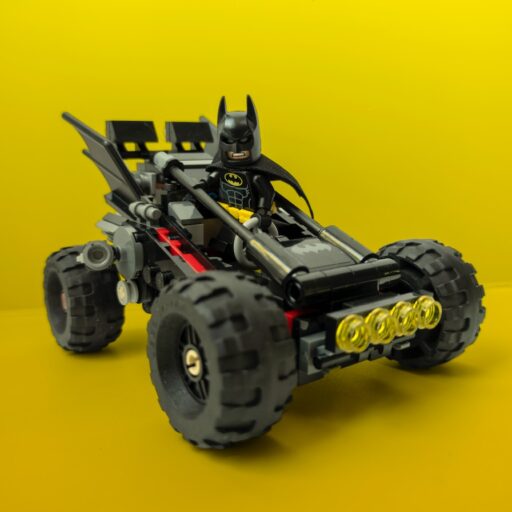
LEGO isn’t just a toy; it’s a rite of passage. From DUPLO for tiny hands to complex Technic sets for teens, they dominate the Building Blocks and Sets category.
- Pros: Incredible resale value, develops fine motor skills, infinite possibilities.
- Cons: Expensive; painful to step on. 🦶
👉 Shop LEGO on:
- LEGO Classic Creative Bricks: Amazon | Walmart | LEGO Official
2. Mattel: Home of Barbie, Hot Wheels, and More
Mattel knows how to create icons. Whether it’s the fashion-forward world of Barbie or the high-speed thrills of Hot Wheels, they excel at creating immersive worlds.
- Pros: High brand recognition, massive variety of accessories.
- Cons: Some products rely heavily on plastic.
3. Hasbro: Masters of Action Figures and Board Games
If your kid loves Star Wars, Marvel, or Transformers, you’re buying Hasbro. They also own Nerf and Play-Doh, making them the kings of the playroom.
- Pros: Great for social play and storytelling.
- Cons: Action figures can have small parts that get lost easily.
4. Melissa & Doug: Classic Wooden Toys and Educational Fun
As noted by Melissa & Doug’s official mission, they are the gold standard for “screen-free” play. Their wooden puzzles and pretend-play kitchens are legendary.
- Pros: Extremely durable, focuses on Educational Toys.
- Cons: Wooden toys can be heavy and bulky.
5. Fisher-Price: Trusted Early Childhood Toys
Owned by Mattel, Fisher-Price is the first brand most parents turn to. Their Laugh & Learn line is a staple for infants.
- Pros: Research-backed designs, very safe for babies.
- Cons: Can be quite noisy (we’re looking at you, Linkimals!).
6. VTech: Innovative Electronic Learning Toys
When it comes to Electronic Toys, VTech is the leader. They specialize in tablets, smartwatches, and interactive books.
- Pros: Great for teaching letters, numbers, and coding basics.
- Cons: High battery consumption. 🔋
7. Hape: Eco-Friendly Educational Toys from Around the Globe
Hape is a personal favorite of our “Green Team.” They use sustainable materials like bamboo and water-based paints. According to Hape’s sustainability report, they are one of the world’s largest producers of wooden toys.
- Pros: Beautiful aesthetics, eco-conscious.
- Cons: Higher price point for premium materials.
👉 Shop Hape on:
- Hape Quadrilla Marble Run: Amazon | Walmart | Hape Official
8. Playmobil: Imaginative Playsets for Storytelling
Playmobil sets are like tiny dioramas. They offer incredible detail in their themes, from pirates to hospitals.
- Pros: Encourages long-form imaginative play.
- Cons: So many tiny pieces. You will find a plastic croissant in your shoe.
9. Nerf: Action-Packed Foam Blasters
Nerf is the undisputed champion of active, indoor/outdoor play. Their foam technology is safe yet satisfyingly “thwippy.”
- Pros: Gets kids moving and off the couch.
- Cons: You will never have enough darts. They vanish into a parallel dimension.
10. Crayola: Creativity Unleashed with Art Supplies and Toys
Crayola isn’t just crayons anymore. Their Scribble Scrubbie pets and Light-up Tracing Pads are huge hits.
- Pros: Encourages artistic expression; most items are washable. ✅
- Cons: “Washable” is sometimes a suggestion, not a promise. 🎨
11-25. Other Must-Know Toy Brands That Kids Love
- Green Toys (100% recycled plastic)
- Brio (The king of wooden railways)
- KidKraft (Amazing dollhouses and play kitchens)
- Spin Master (Paw Patrol, Hatchimals, and Bitzee)
- Schleich (Ultra-realistic animal figurines)
- Magna-Tiles (Magnetic building fun)
- Osmo (iPad-integrated learning)
- Tonies (Screen-free audio players)
- Squishmallows (The softest plushies on Earth)
- Luke’s Toy Factory (Eco-friendly trucks made in the USA)
- Uncle Goose (Handcrafted wooden blocks)
- BlueTrack (Flexible racing tracks)
- Fat Brain Toys (Unique, sensory-focused toys)
- Radio Flyer (The classic red wagon)
- Step2 (Durable outdoor climbers and playhouses)
🧸 Choosing the Right Toy Brand by Age Group: From Infants to Tweens
Not every brand is a fit for every age. You wouldn’t give a 2-year-old a 5,000-piece LEGO Star Destroyer (unless you want to spend the next week crying over lost pieces).
| Age Group | Recommended Brands | Focus Area |
|---|---|---|
| Infants (0-12m) | Fisher-Price, Lovevery, Manhattan Toy | Sensory development, teething |
| Toddlers (1-3y) | DUPLO, Green Toys, Hape | Fine motor skills, cause & effect |
| Preschool (3-5y) | Melissa & Doug, Play-Doh, Magna-Tiles | Imaginative play, social skills |
| School Age (6-9y) | LEGO, Nerf, Crayola, VTech | STEM, hobbies, active play |
| Tweens (10-12y) | Nintendo, LEGO Technic, Ravensburger | Complex builds, strategy, tech |
For more on navigating these stages, check out our Parenting Tips and Advice section.
🌿 Sustainable and Green Toy Brands: Eco-Friendly Choices for Conscious Families
We’ve noticed a massive trend: parents are ditching “disposable” plastic. Brands like Green Toys make their products from 100% recycled milk jugs. They are BPA-free and even dishwasher safe! 🧼
Luke’s Toy Factory is another standout. Based in Connecticut, they use upcycled organic materials like sawdust and flax. As Luke’s Toy Factory notes, their toys have a smaller carbon footprint and are 100% made in the USA.
Why go green?
- Safety: Fewer chemicals and toxins.
- Durability: Sustainable toys are often built to last generations.
- Values: It teaches kids about caring for the planet from day one.
🎨 Educational Toy Brands That Boost Creativity and Learning
If you want your kid to be the next Einstein (or at least pass 2nd-grade math), look into Educational Toys.
Hape is a leader here with their Quadrilla marble runs, which teach basic engineering and physics. Melissa & Doug puzzles are fantastic for spatial awareness.
Expert Tip: Look for toys that follow the Montessori method—simple, natural materials that encourage independent exploration.
🚂 Toy Railways and Building Sets: Brands That Build Imagination
There is something hypnotic about a wooden train clicking along a track. Brio is the heritage brand here, but Hape and Melissa & Doug offer compatible sets that are often more budget-friendly.
Step-by-Step: How to Build the Ultimate Railway
- Start with a Loop: Use basic curved tracks.
- Add Elevation: Use bridges or stacking blocks to go “3D.”
- Incorporate “Destinations”: Add a station, a farm, or a crane.
- Mix Brands: Most wooden tracks are cross-compatible! ✅
🏰 Dollhouses and Role Play: Brands That Inspire Storytelling and Social Skills
Role play is how kids process the world. KidKraft makes massive, sturdy dollhouses that can fit full-sized Barbie dolls. Hape offers more modern, gender-neutral designs that look great in a living room.
Benefits of Dollhouse Play:
- Empathy: Kids act out social scenarios.
- Language: They narrate stories, expanding their vocabulary.
- Fine Motor: Moving tiny furniture is great for hand-eye coordination.
💡 How to Spot Quality and Safety in Toy Brands: Expert Tips and Red Flags
We’ve seen it all—from toys that break in five minutes to ones that are actual fire hazards. Here’s how to protect your wallet and your kids.
The “Red Flag” Checklist:
- ❌ The “Chemical” Smell: If it smells like a gas station, put it back.
- ❌ Flimsy Plastic: If you can bend the main structure with one finger, it won’t survive a toddler.
- ❌ Small Magnets: These are extremely dangerous if swallowed. Ensure they are securely encased.
- ✅ Check for Recalls: Use the CPSC Recall Database to stay updated.
🛒 Where to Shop for the Best Toy Brands: Online and In-Store Recommendations
Where you buy matters as much as what you buy.
- Amazon: Best for variety and reviews.
- Walmart/Target: Great for “big brand” deals (Mattel, Hasbro).
- Etsy: The place for handmade, personalized wooden toys from brands like Wildflower Toys.
- Local Toy Stores: Often carry “specialty” brands like Schleich or Djeco that big boxes miss.
💬 Real Parent and Kid Reviews: What Families Are Saying About Top Toy Brands
“We bought the Hape All-in-1 Kitchen three years ago,” says Sarah, a mom of two. “It has survived two moves and daily ‘soup’ making. It still looks brand new. Best investment ever!”
On the flip side, 7-year-old Leo says: “I like Nerf because I can hide behind the couch and surprise my brother. But I wish the darts didn’t get stuck under the fridge.” (We feel you, Leo. We feel you.)
🎁 Gift Guide: Best Toy Brands for Every Occasion and Personality
- For the Little Architect: Magna-Tiles or LEGO.
- For the Future Scientist: Learning Resources or Thames & Kosmos.
- For the Artist: Crayola or Faber-Castell.
- For the High-Energy Kid: Nerf or Radio Flyer.
📦 Subscription Boxes and Exclusive Offers: How to Save on Premium Toy Brands
Want the toys to come to you?
- Lovevery: Expert-curated “Play Kits” for specific developmental stages.
- KiwiCo: STEM-focused crates that are incredibly engaging.
- Hape Special: Don’t forget, you can Subscribe & Save 15% on your first order at the Hape Official Site.
🧩 The Future of Toy Brands: Trends to Watch in 2025 and Beyond
We’re seeing a massive surge in AI-integrated toys and Augmented Reality (AR). Brands are trying to bridge the gap between physical and digital play. But remember that mystery we mentioned earlier? The “toy that survived a lawnmower”? It was a Luke’s Toy Factory truck. It reminds us that no matter how much tech we add, durability and simple fun will always be the heart of the best toy brands.
But wait—how do you know which of these brands actually offers the best value for your specific budget? And what are the top 5 questions every parent asks before hitting “Add to Cart”? We’re about to break it all down.
✅ Conclusion: Our Expert Picks for the Best Toy Brands for Kids
After an epic journey through the colorful world of toys, what have we learned? The best toy brands for kids are those that combine safety, durability, educational value, and pure fun—with a sprinkle of eco-consciousness for good measure. Brands like LEGO and Melissa & Doug shine for their timeless appeal and developmental benefits, while Hape stands out as a champion of sustainability and creativity.
Remember our lawnmower story? That rugged Luke’s Toy Factory truck proved that durability and eco-friendliness can go hand in hand. If you want toys that survive sibling battles and toddler tantrums, these American-made brands are worth a close look.
Positives across the board:
- High safety standards and certifications
- Educational and developmental benefits
- Strong focus on sustainability and eco-friendly materials
- Wide age range coverage—from infants to tweens
- Engaging designs that encourage imaginative play
Negatives to keep in mind:
- Some premium eco-friendly toys come with a higher upfront cost
- Electronic toys may require frequent battery changes
- Small parts in collectible or detailed sets can be a choking hazard for younger kids
Our confident recommendation? Start with Melissa & Doug for classic, durable wooden toys; add LEGO for building and STEM skills; and explore Hape for eco-conscious, beautifully crafted educational toys. For active play, Nerf and Hasbro deliver excitement, while Crayola fuels creativity.
Finally, the best toy brand is the one that fits your child’s unique interests and developmental stage—because every kid deserves a toy that sparks joy and learning.
🔗 Recommended Links for Toy Brand Enthusiasts
- LEGO Classic Creative Bricks: Amazon | Walmart | LEGO Official
- Melissa & Doug Wooden Building Blocks: Amazon | Melissa & Doug Official
- Hape Quadrilla Marble Run: Amazon | Walmart | Hape Official
- Fisher-Price Laugh & Learn Toys: Amazon | Fisher-Price Official
- Nerf Blasters: Amazon | Hasbro Official
- Green Toys Tea Set: Amazon | Green Toys Official
- Luke’s Toy Factory Educational Trucks: Luke’s Toy Factory Official
- Crayola Art Supplies: Amazon | Crayola Official
Books for Toy Enthusiasts and Parents:
- The Power of Play: Learning What Comes Naturally by David Elkind — Amazon
- Playful Parenting by Lawrence J. Cohen — Amazon
- Toy Time: A History of Playthings by Elizabeth Orton Jones — Amazon
❓ Frequently Asked Questions About Toy Brands
What are the best toy brands for kids with special needs or disabilities?
Answer: Brands like Fat Brain Toys and Manhattan Toy specialize in sensory-friendly, adaptive toys designed to support children with special needs. These toys often focus on tactile stimulation, fine motor skills, and cognitive development without overwhelming sensory input. Look for products labeled as suitable for sensory integration or occupational therapy. Additionally, Wikki Stix offers non-toxic, flexible yarn-based toys that many therapists recommend for fine motor development.
Can I find affordable toy brands that are still high-quality and durable?
Answer: Absolutely! Brands like Melissa & Doug and Green Toys offer durable, high-quality toys at reasonable prices. Shopping during sales or using subscription boxes like KiwiCo can also provide great value. Remember, investing in a few well-made toys often beats buying many cheap, disposable ones.
What are the most educational toy brands for kids to learn and develop?
Answer: For educational value, Hape, VTech, and Melissa & Doug are top contenders. They focus on STEM learning, creativity, and motor skills development. Osmo integrates digital and physical play for older kids, while Lovevery offers stage-based play kits designed by child development experts.
Are wooden toy brands better than plastic ones for kids?
Answer: Wooden toys, like those from Melissa & Doug and Hape, are often more durable and eco-friendly, making them a great choice for sustainability and longevity. They also tend to encourage open-ended play. Plastic toys can offer more variety and interactive features but may wear out faster and have environmental downsides. The best choice depends on your priorities: durability and eco-consciousness vs. tech integration and variety.
What are the most popular toy brands among kids and parents?
Answer: Brands like LEGO, Mattel, Hasbro, Melissa & Doug, and Fisher-Price consistently top popularity charts due to their broad appeal, quality, and trusted reputations. Emerging brands like Hape and Green Toys are gaining traction among eco-conscious families.
How do I choose the best toys for my child’s age and development?
Answer: Always check the recommended age on the packaging and consider your child’s interests and developmental milestones. For infants, focus on sensory and motor skills toys (e.g., Fisher-Price). Toddlers benefit from cause-and-effect toys like DUPLO. Preschoolers thrive with imaginative play sets from Melissa & Doug. School-age kids enjoy complex building sets like LEGO and active toys like Nerf.
What are the safest toy brands for toddlers?
Answer: Brands like Fisher-Price, Melissa & Doug, and Hape prioritize safety with non-toxic materials, rounded edges, and strict adherence to ASTM and CPSIA standards. Always avoid toys with small parts for toddlers under three years old.
Which toy brands offer the most educational toys?
Answer: Hape, Melissa & Doug, VTech, and Lovevery are leaders in educational toys that foster STEM skills, creativity, and cognitive development. Their products often come with guides for parents to maximize learning.
What are the best toy brands for creative play?
Answer: Crayola, Melissa & Doug, and Playmobil excel at encouraging creativity through art supplies, pretend play, and storytelling sets. These brands provide open-ended toys that let kids invent their own worlds.
Are there eco-friendly toy brands for kids?
Answer: Yes! Hape, Green Toys, Luke’s Toy Factory, and Uncle Goose are pioneers in sustainable toy manufacturing, using bamboo, recycled plastics, and organic materials. These brands are perfect for families prioritizing environmental responsibility.
Which toy brands have the best toys for different age groups?
Answer:
- Infants: Fisher-Price, Lovevery
- Toddlers: Hape, Green Toys
- Preschool: Melissa & Doug, Playmobil
- School Age: LEGO, Nerf, VTech
- Tweens: LEGO Technic, Ravensburger puzzles
What toy brands are recommended by child development experts?
Answer: Experts often recommend Melissa & Doug for open-ended play, Lovevery for stage-appropriate developmental kits, and Hape for eco-friendly educational toys. These brands align with Montessori and STEAM educational philosophies.
Where can I find the best deals on top toy brands?
Answer:
- Online marketplaces like Amazon and Walmart offer frequent discounts and bundles.
- Subscription services like KiwiCo and Lovevery provide curated toys at a fixed monthly cost.
- Local toy stores may have exclusive deals or seasonal sales.
- Signing up for newsletters from brands like Hape can unlock first-order discounts (e.g., 15% off).
📚 Reference Links and Sources for Toy Brand Research
- Hape Official Website — Eco-friendly and educational toys
- Melissa & Doug Official Website — Classic wooden toys and puzzles
- Luke’s Toy Factory — American-made, sustainable educational toys
- Toy Association — Industry insights and safety standards
- Consumer Product Safety Commission (CPSC) Recalls — Toy safety alerts
- Top 20 Best Toy Brands Really Made in the USA – Largest American Toy Companies
- Amazon Toy Category — Wide selection and reviews
- Crayola Official Website — Creativity and art supplies
We hope this guide helps you find the perfect toy brands that bring joy, learning, and lasting memories to your family’s playtime! 🎉