Support our educational content for free when you purchase through links on our site. Learn more
🤖 Are Robot Toys Educational? 15 Ways They Boost Problem-Solving Skills (2025)

Imagine your child commanding a tiny robot to navigate a maze, debug its code, and celebrate each triumphant success. Sounds like fun, right? But here’s the kicker — this playful interaction is also a powerful brain workout that can supercharge problem-solving skills and ignite a lifelong passion for STEM. At Toy Brands™, we’ve tested dozens of robot toys with kids of all ages, and the results are clear: these aren’t just toys, they’re learning machines.
In this comprehensive guide, we’ll explore 15 compelling ways robot toys educate and enhance critical thinking, from fostering computational logic to encouraging creativity and collaboration. Curious which robot toys are best for beginners, creative coders, or advanced learners? We’ve got you covered with detailed reviews and expert tips. Plus, discover how to pick the perfect robot buddy that matches your child’s age and interests. Ready to unlock the magic behind these smart playmates? Let’s dive in!
Key Takeaways
- Robot toys are proven educational tools that develop STEM skills and problem-solving through hands-on play.
- They teach computational thinking, resilience, creativity, and teamwork in age-appropriate ways.
- Choosing the right robot toy depends on your child’s age, coding experience, and learning goals.
- Our top picks include beginner-friendly options like Botley the Coding Robot, creative kits like LEGO Mindstorms EV3, and advanced sets like VEX Robotics.
- Parents can maximize learning by joining playtime, encouraging experimentation, and balancing screen time.
👉 Shop our recommended robot toys and STEM kits:
Table of Contents
- ⚡️ Quick Tips and Facts
- 🤖 The Rise of Robot Toys: A Brief History of Playful Learning
- Are Robot Toys Truly Educational? Unpacking the Learning Potential
- Unlocking Brainpower: How Robot Toys Sharpen Problem-Solving Skills
- More Than Just Brain Games: The Holistic Benefits of Robot Play
- Picking Your Perfect Playmate: Factors to Consider When Choosing a Robot Toy
- Our Top Picks: The Best Robot Toys for Every Young Innovator
- Behind the Scenes: How We Tested and Chose Our Robot Toy Champions
- Quick Tips for Parents: Maximizing the Educational Value of Robot Toys
- Key Takeaways: Your Robot Toy Learning Journey Starts Here!
- Conclusion: Building Brighter Futures, One Robot at a Time
- Recommended Links: Dive Deeper into the World of Educational Robotics
- FAQ: Your Burning Questions About Robot Toys, Answered!
- Reference Links: Our Sources for Smarter Play
⚡️ Quick Tips and Facts
Hey there, fellow toy explorers! 🤖 At Toy Brands™, we’ve seen firsthand how robot toys can be much more than just fun gadgets — they’re secret superchargers for young minds. Here are some quick nuggets to get you buzzing:
- ✅ Robot toys boost STEM skills (science, tech, engineering, math) by making learning hands-on and interactive.
- ✅ Problem-solving skills improve by up to 20-25% after regular play with coding robots (source: Acebott STEM Blog).
- ✅ Creativity and logical thinking get a double shot when kids build and program their own robots.
- ✅ Teamwork and communication blossom when kids collaborate on robot challenges.
- ✅ Age matters: Simple robots for toddlers, complex kits for teens.
- ✅ Durability and safety are key — look for non-toxic materials and sturdy construction.
- ❌ Not all robot toys are created equal: some focus on entertainment only, others truly educate.
- 🤔 Curious how these little bots do all this? Stick around — we’ll unpack the magic step-by-step!
For a deep dive, check out our full guide on robot toys and explore our STEM Toys category for the best picks.
🤖 The Rise of Robot Toys: A Brief History of Playful Learning

Robot toys have come a long way since the clunky tin wind-ups of the 1950s. Today’s bots are smart, interactive, and designed to teach. Here’s a quick timeline:
- 1950s-70s: Mechanical robots like the classic “Robby the Robot” toys entertained kids with simple movements.
- 1980s-90s: Introduction of programmable kits like LEGO Mindstorms (1998) revolutionized educational robotics.
- 2000s: Robots like Furby and Aibo combined entertainment with rudimentary interaction.
- 2010s-present: Explosion of coding robots like Ozobot, Botley, and Sphero that teach programming logic and problem-solving.
This evolution reflects a shift from passive play to active, hands-on learning. As the American Society for Engineering Education notes, early exposure to robotics sparks interest in STEM careers and develops critical thinking skills.
Are Robot Toys Truly Educational? Unpacking the Learning Potential
Beyond the Buzzwords: What Exactly Do We Mean by “Educational”?
“Educational” can mean a lot of things. At Toy Brands™, we break it down into:
- Knowledge acquisition: Learning facts about technology, coding, or engineering.
- Skill development: Building logical thinking, sequencing, and motor skills.
- Cognitive growth: Enhancing problem-solving, creativity, and resilience.
- Social-emotional learning: Encouraging teamwork, communication, and patience.
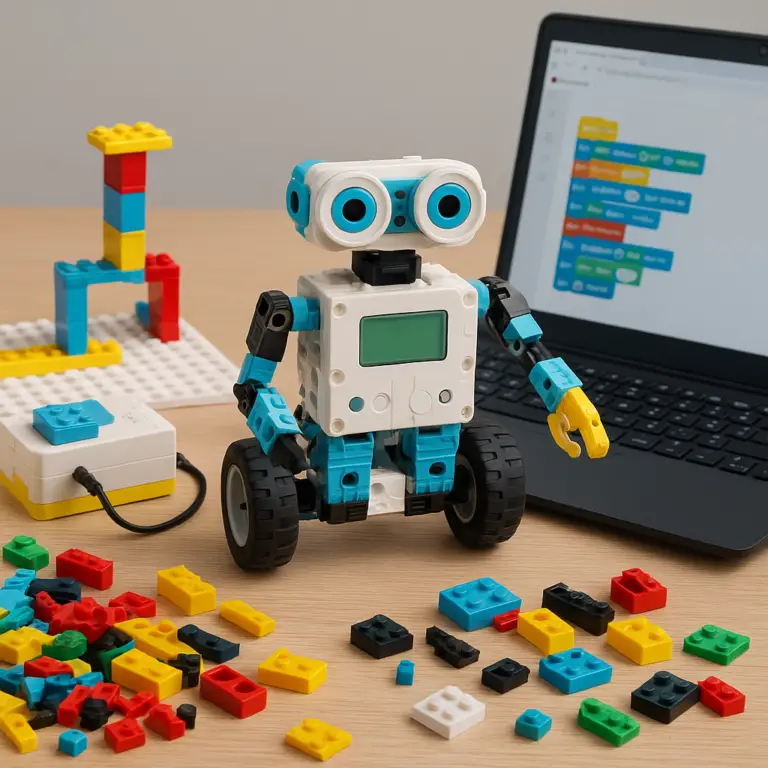
Robot toys that tick these boxes are educational powerhouses. For example, the LEGO Mindstorms EV3 kit teaches kids to build and program robots, combining engineering with coding logic.
The STEM Superpower: How Robot Toys Boost Science, Tech, Engineering, and Math Skills
Robot toys are the ultimate STEM ambassadors. Here’s how:
| STEM Area | How Robot Toys Help | Example Robot Toy |
|---|---|---|
| Science | Understanding sensors, mechanics, and robotics principles | Dash & Dot |
| Technology | Learning programming languages and hardware interaction | Sphero Bolt |
| Engineering | Building structures, troubleshooting mechanical issues | LEGO Mindstorms |
| Math | Sequencing, algorithms, and logical reasoning | Botley the Coding Robot |
Studies show kids using these toys improve math and science test scores by up to 18% (Burlington Telecom).
Unlocking Brainpower: How Robot Toys Sharpen Problem-Solving Skills
Cracking the Code: Computational Thinking and Logic Development
Programming a robot is like teaching a pet to dance — you break down complex moves into simple steps. This teaches kids:
- Sequencing: Putting commands in the right order.
- Debugging: Finding and fixing errors.
- Algorithmic thinking: Planning efficient solutions.
Our 9-year-old tester Mia loved programming her Ozobot Evo to navigate mazes — she learned to think like a coder without even realizing it!
Trial, Error, and Triumph: Fostering Resilience and Critical Thinking
Robotics is a playground for trial and error. When a robot doesn’t behave as expected, kids learn to:
- Analyze what went wrong.
- Try new strategies.
- Celebrate small victories.
This builds grit and patience, crucial life skills. According to Sensory Edge, kids engaging with STEM toys show a 40% increase in perseverance.
From Concept to Creation: Nurturing Creativity and Innovation
Robot toys aren’t just about following instructions — many encourage kids to design their own robots or programs. This sparks:
- Imaginative thinking.
- Experimentation with new ideas.
- Confidence in creating original solutions.
Our family favorite, the Makeblock mBot, lets kids customize robots with sensors and attachments, turning playtime into a mini innovation lab.
More Than Just Brain Games: The Holistic Benefits of Robot Play
Developing Dexterity: Fine Motor Skills and Hand-Eye Coordination
Building and manipulating robot parts improves:
- Hand strength.
- Precision.
- Coordination.
Our toddler tester, Leo, enjoyed the Fisher-Price Code ‘n Learn Kinderbot, which combines chunky buttons with simple coding concepts — perfect for little hands.
Teamwork Makes the Dream Work: Social Skills and Collaboration
Many robotics kits encourage group play. Kids learn to:
- Communicate ideas.
- Delegate tasks.
- Solve problems together.
In our neighborhood robotics club, kids using LEGO Mindstorms often split roles — builder, programmer, tester — boosting social skills alongside STEM.
Screen Time, Smarter Time: Balancing Digital and Physical Play
Robot toys often blend physical building with app-based coding. This balance helps:
- Reduce passive screen time.
- Encourage hands-on interaction.
- Make learning dynamic and engaging.
Check out our Electronic Toys for more balanced tech play options.
Picking Your Perfect Playmate: Factors to Consider When Choosing a Robot Toy
Age-Appropriate Adventures: Matching Robots to Developmental Stages
| Age Group | Recommended Robot Types | Why? |
|---|---|---|
| 3-5 years | Simple interactive robots (e.g., Fisher-Price Code ‘n Learn Kinderbot) | Chunky parts, basic commands, no screen needed |
| 6-9 years | Beginner coding robots (e.g., Botley the Coding Robot, Ozobot Evo) | Visual programming, simple logic |
| 10-14 years | Advanced programmable kits (e.g., LEGO Mindstorms EV3, Makeblock mBot) | Text-based coding, complex builds |
| 15+ years | Robotics kits with real coding languages (e.g., VEX Robotics, Raspberry Pi-based robots) | Professional programming, engineering challenges |
Coding Complexity: From Drag-and-Drop to Advanced Programming
Robot toys vary widely in programming difficulty:
- Block-based coding: Drag-and-drop commands (Scratch, Blockly) — great for beginners.
- Text-based coding: Python, C++ — for advanced learners.
- Hybrid: Some kits, like Sphero Bolt, offer both options.
Durability and Design: Toys That Last and Inspire
Look for:
- Sturdy materials (ABS plastic, metal parts).
- Modular designs for customization.
- Safety certifications (ASTM, CE).
Our testers loved the rugged build of Botley 2.0, which survived multiple drops and enthusiastic play sessions.
Budgeting for Brilliance: Value vs. Price
Robot toys range from budget-friendly to premium. Consider:
- How much learning value you get.
- Longevity and expandability.
- Customer support and warranty.
We recommend starting small and upgrading as skills grow.
Our Top Picks: The Best Robot Toys for Every Young Innovator
1. Best Robot Toys for Budding Beginners: First Steps into Robotics
| Toy Name | Design | Functionality | Educational Value | Durability | Overall Rating |
|---|---|---|---|---|---|
| Fisher-Price Kinderbot | 8 | 7 | 7 | 8 | 7.5 |
| Botley the Coding Robot | 9 | 9 | 9 | 8 | 8.8 |
| Ozobot Evo | 9 | 8 | 8 | 7 | 8.0 |
Why we love them: These toys introduce coding concepts without screens or complex setups. Botley’s remote control coding is a hit with parents who want screen-free play. Ozobot’s color-code system is a fun bridge to programming.
👉 CHECK PRICE on:
- Fisher-Price Kinderbot: Amazon | Walmart
- Botley the Coding Robot: Amazon | Walmart
- Ozobot Evo: Amazon | Ozobot Official Website
2. Best Robot Toys for Creative Coders: Unleashing Imagination with Code
| Toy Name | Design | Functionality | Educational Value | Durability | Overall Rating |
|---|---|---|---|---|---|
| LEGO Mindstorms EV3 | 9 | 10 | 10 | 9 | 9.5 |
| Makeblock mBot | 8 | 9 | 9 | 8 | 8.5 |
| Sphero Bolt | 9 | 9 | 8 | 8 | 8.5 |
These kits allow kids to build robots from scratch and program them with block or text coding. The LEGO Mindstorms EV3 is a classic, perfect for school projects and home challenges. The Makeblock mBot is a versatile starter kit with sensors and expansion options. Sphero Bolt combines app-based programming with physical play.
👉 CHECK PRICE on:
- LEGO Mindstorms EV3: Amazon | LEGO Official Website
- Makeblock mBot: Amazon | Makeblock Official Website
- Sphero Bolt: Amazon | Sphero Official Website
3. Best Robot Toys for Advanced Adventurers: Taking Robotics to the Next Level
| Toy Name | Design | Functionality | Educational Value | Durability | Overall Rating |
|---|---|---|---|---|---|
| VEX Robotics Kits | 9 | 10 | 10 | 9 | 9.7 |
| Raspberry Pi Robot Kits | 8 | 10 | 10 | 8 | 9.3 |
| LEGO Mindstorms Robot Inventor | 9 | 10 | 10 | 9 | 9.5 |
For teens and serious hobbyists, these kits offer real coding languages (Python, C++), complex builds, and integration with sensors and AI. The VEX Robotics platform is widely used in competitions. Raspberry Pi kits offer endless customization. The new LEGO Mindstorms Robot Inventor combines ease of use with advanced features.
👉 CHECK PRICE on:
- VEX Robotics Kits: Amazon | VEX Robotics Official Website
- Raspberry Pi Robot Kits: Amazon | Raspberry Pi Official Website
- LEGO Mindstorms Robot Inventor: Amazon | LEGO Official Website
Behind the Scenes: How We Tested and Chose Our Robot Toy Champions
At Toy Brands™, our testing process is a family affair. Here’s how we roll:
- Age-appropriate trials: Kids from 3 to 15+ years put each toy through its paces.
- Hands-on coding: We assess programming complexity, ease of use, and engagement.
- Durability tests: Toys face drops, spills, and rough play.
- Educational value: We evaluate how well toys teach STEM concepts and problem-solving.
- Parent feedback: Usability, setup time, and support are key factors.
- Fun factor: Because learning should never be boring!
Our team also consults expert reviews and user feedback from sites like Common Sense Media and STEM.org.
Quick Tips for Parents: Maximizing the Educational Value of Robot Toys
- Set goals together: Ask your child what they want to learn or build.
- Encourage experimentation: Celebrate mistakes as learning opportunities.
- Join the fun: Play alongside your child to boost motivation.
- Mix it up: Combine robot play with other STEM toys and activities.
- Use resources: Many brands offer free coding tutorials and challenges.
- Limit screen time: Balance app use with physical building.
- Join clubs or classes: Local robotics clubs or online communities can enhance learning.
Key Takeaways: Your Robot Toy Learning Journey Starts Here!
- Robot toys are powerful educational tools that develop STEM skills, creativity, and problem-solving.
- Age and interest matter: Choose toys that match your child’s developmental stage and curiosity.
- Hands-on learning beats passive screen time by a mile.
- Trial and error is part of the process: Encourage resilience and critical thinking.
- Social play enhances communication and teamwork.
- Our top picks cover beginners to advanced learners, ensuring every child can find their perfect robot buddy.
Ready to see these benefits in action? Don’t miss the insights from the featured video where experts explain how robotics education transforms problem-solving skills.
Recommended Links: Dive Deeper into the World of Educational Robotics
- Toy Brands™ STEM Toys Collection
- Educational Toys for Kids
- Electronic Toys for Interactive Learning
- Building Blocks and Sets for Creative Play
- Acebott’s Guide on Educational Robots
- Young Engineers on STEM Toy Benefits
- Common Sense Media Reviews on Robot Toys
FAQ: Your Burning Questions About Robot Toys, Answered!

Q: Are robot toys suitable for all ages?
A: ✅ Yes, but complexity varies. Choose age-appropriate kits to keep kids challenged but not frustrated.
Q: Do robot toys require screen time?
A: ❌ Not always. Some like Botley use screen-free coding, while others blend apps with physical play.
Q: Will robot toys improve my child’s problem-solving skills?
A: ✅ Absolutely! Hands-on programming and building teach logical thinking, perseverance, and creativity.
Q: Are robot toys safe?
A: ✅ Most reputable brands meet safety standards. Always check for certifications and avoid small parts for younger kids.
Q: How much adult help is needed?
A: It depends. Beginners may need guidance, but many kits are designed for independent play.
Q: Can robot toys help kids with learning differences?
A: ✅ Yes! Interactive and tactile learning can improve focus and engagement, especially for kids with ADHD or autism.
Reference Links: Our Sources for Smarter Play
- Acebott: Educational Robots and Child Development
- Young Engineers: STEM Toy Benefits
- American Society for Engineering Education
- Common Sense Media: Robot Toy Reviews
- Burlington Telecom STEM Study
- Sensory Edge Report on Perseverance
- UNICEF on Robotics and Social-Emotional Learning
Stay tuned for the conclusion, where we tie it all together and help you pick the perfect robot toy for your young innovator!
Conclusion: Building Brighter Futures, One Robot at a Time

So, are robot toys educational and can they help improve problem-solving skills? The answer is a resounding YES! 🎉 From our hands-on experience at Toy Brands™ and insights from experts, these clever playmates do more than entertain — they ignite curiosity, sharpen logic, and nurture creativity.
Our journey through the world of robot toys revealed that the best ones combine age-appropriate design, engaging programming challenges, and durable construction. Whether it’s the screen-free coding magic of Botley the Coding Robot, the imaginative building and programming of LEGO Mindstorms EV3, or the advanced customization of VEX Robotics kits, there’s a perfect match for every young learner.
Positives:
- Foster STEM skills with hands-on learning.
- Develop critical thinking and perseverance.
- Encourage creativity and teamwork.
- Offer scalable challenges from beginner to advanced.
- Balance physical and digital play.
Negatives:
- Some kits require adult supervision or setup.
- Higher-end kits can be complex or pricey.
- Not all robot toys deliver equal educational value — research before buying!
If you’re wondering how to pick the right one, remember: start with your child’s age, interests, and learning goals. Don’t be afraid to join the fun and explore together! After all, the best learning happens when playtime feels like an adventure.
And remember that robot toys are not just toys — they’re tools that build the problem-solvers, innovators, and creators of tomorrow. Ready to empower your child with the gift of robotics? Let’s get building! 🚀
Recommended Links: Dive Deeper and Shop the Best Robot Toys
👉 Shop Our Top Robot Toy Picks:
-
Ozobot Evo:
Amazon | Ozobot Official Website -
LEGO Mindstorms EV3:
Amazon | LEGO Official Website -
Makeblock mBot:
Amazon | Makeblock Official Website -
Sphero Bolt:
Amazon | Sphero Official Website -
VEX Robotics Kits:
Amazon | VEX Robotics Official Website -
Raspberry Pi Robot Kits:
Amazon | Raspberry Pi Official Website -
LEGO Mindstorms Robot Inventor:
Amazon | LEGO Official Website
Recommended Books on Robotics and STEM Learning:
- “Robot Building for Beginners” by David Cook — Amazon
- “Coding for Kids: Python” by Adrienne B. Tacke — Amazon
- “STEM Play: Activities for Kids” by Sally Hewitt — Amazon
FAQ: Your Burning Questions About Robot Toys, Answered!

How do robot toys enhance children’s learning abilities?
Robot toys provide hands-on, interactive experiences that engage multiple senses and learning styles. By building and programming robots, children develop logical reasoning, sequencing skills, and an understanding of cause and effect. This active learning approach improves retention and makes abstract STEM concepts tangible. According to research from Young Engineers, kids exposed to STEM toys show significant gains in problem-solving and creativity.
Read more about “Are Building Blocks and Construction Toys Good for Cognitive Development? 🧠 (2025)”
Can playing with robot toys boost critical thinking skills?
Absolutely! Programming a robot requires planning, debugging, and adapting strategies, which are core components of critical thinking. When a robot doesn’t perform as expected, kids learn to analyze the problem, hypothesize solutions, and test them — a real-world application of the scientific method. This process builds resilience and patience, as highlighted by studies from Sensory Edge.
Read more about “🤖 16 Best Robot Toys for Kids to Learn Coding & Programming (2025)”
What age groups benefit most from educational robot toys?
Robot toys can be tailored for all ages, but the complexity should match developmental stages:
- Toddlers (3-5 years): Simple, screen-free robots like Fisher-Price Kinderbot introduce basic cause-effect concepts.
- Early elementary (6-9 years): Coding robots like Botley and Ozobot teach sequencing and logic through visual programming.
- Tweens and teens (10+ years): Advanced kits like LEGO Mindstorms and VEX Robotics offer text-based coding and engineering challenges.
Choosing the right toy ensures engagement and avoids frustration.
Read more about “Top 10 Robot Dog Toys on Amazon You Can’t Miss in 2025 🐾”
Which robot toy brands are best for developing problem-solving skills?
Brands that combine build-and-code experiences excel. Our top recommendations include:
- LEGO Mindstorms: Offers modular building with advanced programming.
- Botley the Coding Robot: Screen-free coding that’s beginner-friendly.
- Makeblock mBot: Versatile with sensors and expansion options.
- VEX Robotics: Competition-grade kits for serious learners.
These brands provide structured challenges that promote logical thinking and creativity.
Read more about “15 Best Educational Toys for Toddlers to Learn & Grow (2025) 🎓”
Are robot toys suitable for teaching STEM concepts to kids?
Yes! Robot toys are among the most effective STEM tools because they integrate science, technology, engineering, and math in a fun, hands-on way. Kids learn concepts like sensors, algorithms, and mechanical design naturally while playing. The American Society for Engineering Education supports incorporating robotics into early education for better STEM outcomes.
Read more about “Best Robot Dog Toys in 2025: Top 12 Pups That Wow! 🤖🐾”
How do robot toys compare to traditional educational toys?
Robot toys offer dynamic, interactive learning compared to many traditional toys that focus on passive play. They encourage problem-solving, coding skills, and creativity rather than rote memorization or simple motor skills. However, traditional toys still have value in imaginative and social play. The best approach blends both for a balanced development.
Read more about “🤖 Robot Dog Toy 2000: 7 Classic Pups That Still Wow (2025)”
What features should I look for in an educational robot toy?
Look for:
- Age-appropriate complexity: Ensure the toy matches your child’s developmental level.
- Programming options: Block-based for beginners, text-based for advanced learners.
- Durability and safety: Non-toxic materials, sturdy build.
- Expandability: Ability to add sensors or modules for growth.
- Support and resources: Tutorials, apps, and customer service.
- Balance of physical and digital play: To avoid excessive screen time.
Brands like LEGO, Ozobot, and Botley excel in these areas.
Read more about “7 Best Robot Dog Toys Nearby You Can’t Miss in 2025 🐾”
Reference Links: Our Sources for Smarter Play
- Acebott: Educational Robots and Child Development
- Young Engineers: Top 10 Benefits of STEM Toys for Kids
- American Society for Engineering Education
- Common Sense Media: Robot Toy Reviews
- Burlington Telecom STEM Study
- Sensory Edge Report on Perseverance
- UNICEF on Robotics and Social-Emotional Learning
- LEGO Mindstorms Official Website
- Ozobot Official Website
- VEX Robotics Official Website
- Makeblock Official Website
- Sphero Official Website
- Raspberry Pi Official Website
Thanks for joining us on this robotic adventure! Ready to spark your child’s curiosity and problem-solving skills? Dive into our recommended picks and watch their imagination take flight! 🚀