Support our educational content for free when you purchase through links on our site. Learn more
Are Educational Toys Worth It? 15 Surprising Truths Revealed! 🎲

Ever stood in the toy aisle, squinting at a flashy box labeled “educational” and wondered, Is this really worth it? You’re not alone. At Toy Brands™, we’ve seen parents wrestle with the same question—especially when faced with pricey gadgets promising to turn your toddler into the next Einstein. Spoiler alert: educational toys can be worth every penny, but only if you know what to look for and how to use them.
In this deep dive, we’ll unravel the history of learning through play, explore why some toys spark brain growth while others gather dust, and reveal 15 compelling reasons why educational toys are the smartest investment for your child’s future. Plus, we’ll settle the great debate between screen-free classics and tech-enhanced marvels, and share insider tips on finding bundles that deliver maximum bang for your buck. Curious about which brands truly deliver? We’ve got you covered with real stories, expert insights, and practical advice.
Key Takeaways
- Educational toys boost critical thinking, fine motor skills, and social development when matched to your child’s age and interests.
- Longevity and open-ended play value trump flashy gimmicks—think LEGO Classic over single-use plastic.
- STEM and literacy toys wire young brains for academic success, supported by research and real-world results.
- Smart shopping means choosing quality bundles and rotating toys to keep engagement high and clutter low.
- Balance tech and screen-free options to foster imagination without digital overload.
- Parental involvement is the secret sauce—even the best toy needs your time and enthusiasm to unlock its full potential.
Ready to discover which toys make the grade and how to avoid the “dust collector” trap? Let’s jump in!
Table of Contents
- ⚡️ Quick Tips and Facts
- 📜 From Abacus to AI: The Evolution of Learning Through Play
- 🤔 The Million-Dollar Question: Are Educational Toys Truly Worth the Hype?
- 🧠 Brain Power: How STEM Toys and Literacy Kits Shape Young Minds
- 🧸 Interactive Learning Toys for Every Stage: From Infancy to Big Kids
- 💰 Smart Shopping: Finding High-Value Learning Bundles and Longevity
- 🏆 15 Reasons Educational Toys Are the Best Investment for Your Child’s Future
- 📱 The Great Digital Debate: Screen-Free vs. Tech-Enhanced Play
- 🧩 Montessori vs. Mainstream: Which Educational Philosophy Wins?
- 🛑 Avoiding the “Dust Collector” Trap: How to Choose Toys That Actually Get Used
- 🎯 Conclusion
- 🔗 Recommended Links
- ❓ FAQ: Your Burning Questions Answered
- 📚 Reference Links
⚡️ Quick Tips and Facts
Before we dive into the toy chest, here’s the “too long; didn’t read” version for the busy parents who are currently trying to drink a lukewarm coffee while a toddler uses their leg as a climbing wall.
- Longevity is King: A toy that grows with your child (like LEGO Classic Bricks) is worth ten “one-trick pony” toys.
- Open-Ended > Closed-Ended: Toys that can be used in multiple ways (blocks, silks, magnetic tiles) spark more cognitive development than toys with only one “correct” way to play.
- STEM is Real: According to the Toy Association, toys that encourage Science, Technology, Engineering, and Math help build critical thinking skills that translate directly to school success.
- The “Boredom” Factor: Sometimes the best educational toy is a cardboard box. Don’t over-engineer play!
- Quality over Quantity: ✅ One high-quality Lovevery Play Kit often provides more engagement than a mountain of cheap plastic.
- Fact: Research shows that fine motor skill development through play is a leading predictor of later reading and math achievement.
📜 From Abacus to AI: The Evolution of Learning Through Play
Let’s take a trip down memory lane—back before iPads were the babysitter of choice. We’ve been trying to trick kids into learning for centuries! Did you know that the first “educational toys” were likely miniature bows and arrows or small clay pots used by ancient children to mimic adult survival skills?
Fast forward to the 18th century, and John Spilsbury gave us the first jigsaw puzzle (it was a map of the world, talk about a geography lesson!). Then came Friedrich Froebel, the father of Kindergarten, who introduced “Gifts”—geometric wooden blocks designed to teach children about patterns and spatial relationships.
Today, we’ve traded wooden hoops for Osmo Little Genius Starter Kits and coding robots like Botley 2.0. But the core mission remains the same: engaging a child’s natural curiosity to build a foundation for life. We’ve seen it all at Toy Brands™, and while the tech changes, the “Aha!” moment on a child’s face when they solve a puzzle remains the ultimate ROI.
🤔 The Million-Dollar Question: Are Educational Toys Truly Worth the Hype?
We get it. You’re standing in the aisle (or scrolling through Amazon), looking at a coding caterpillar that costs as much as a nice dinner out, wondering: Is this actually going to make my kid a genius, or will it just be another thing I trip over in the dark?
The honest answer? Yes, they are worth it—but only if they actually get played with.
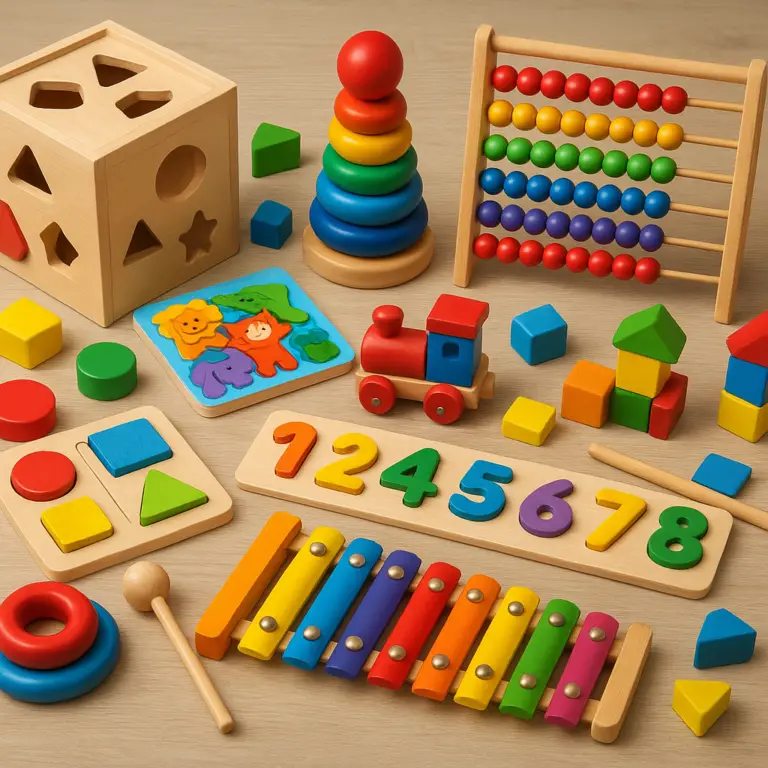
An “educational” label doesn’t automatically make a toy superior. However, purpose-built learning toys are designed with developmental milestones in mind. For example, a Melissa & Doug Shape Sorter isn’t just a box with holes; it’s a lesson in problem-solving, hand-eye coordination, and color recognition.
We’ve found that the most “worth it” toys are those that strike a balance between entertainment and challenge. If it’s too hard, they’ll quit. If it’s too easy, they’ll get bored. The sweet spot is where the magic happens!
🧠 Brain Power: How STEM Toys and Literacy Kits Shape Young Minds
When we talk about STEM (Science, Technology, Engineering, and Math), we aren’t expecting your five-year-old to calculate rocket trajectories (though, hey, dream big!). We’re talking about inquiry-based learning.
- Engineering: Building a tower with Magna-Tiles teaches gravity, balance, and structural integrity.
- Technology: Using a Learning Resources Code & Go Robot Mouse introduces the logic of sequencing without a single minute of screen time.
- Literacy: Interactive sets like LeapFrog LeapStart turn phonics into a game, making the daunting task of reading feel like a victory lap.
Why it matters: These toys build neuroplasticity. By challenging the brain to solve problems in a tactile way, kids are literally wiring their minds for future academic success.
🧸 Interactive Learning Toys for Every Stage: From Infancy to Big Kids
You wouldn’t give a toddler a chemistry set (unless you want a very colorful living room rug), so matching the toy to the stage is crucial. Here’s our expert breakdown:
| Age Group | Focus Area | Recommended Brand/Toy | Why We Love It |
|---|---|---|---|
| Infants (0-12m) | Sensory & Motor | Lovevery The Play Gym | Designed by experts to hit every 2-month milestone. |
| Toddlers (1-3y) | Language & Fine Motor | Fisher-Price Linkimals | They “talk” to each other, encouraging social mimicry. |
| Preschool (3-5y) | Social & Early STEM | Design & Drill Activity Center | Real tools (plastic!) for building coordination. |
| School Age (6+) | Logic & Coding | GraviTrax Marble Run | Teaches physics and kinetic energy in a cool way. |
💰 Smart Shopping: Finding High-Value Learning Bundles and Longevity
Let’s talk turkey. Toys can be expensive. But if you look at the cost-per-play, some of the pricier options are actually the cheapest in the long run.
❌ Avoid: Licensed character toys that only do one thing (e.g., a plastic figure that says three phrases). They lose their charm faster than a melting popsicle. ✅ Seek Out: Subscription boxes like KiwiCo. They offer handpicked bundles that are rigorously tested by kids and educators. You get a curated experience delivered to your door, often at a better value than buying individual components.
Pro Tip: Look for “Grow-with-me” features. The VTech Sit-to-Stand Ultimate Alphabet Train starts as a floor toy, becomes a walker, and ends as a ride-on. That’s three toys for the price of one!
🏆 15 Reasons Educational Toys Are the Best Investment for Your Child’s Future
If you’re still on the fence, here are 15 reasons why we believe in the power of purposeful play:
- Boosts IQ: Stimulating play environments are linked to higher cognitive scores.
- Develops Fine Motor Skills: Essential for writing and self-care (like zipping coats!).
- Encourages Social Interaction: Games like Peaceable Kingdom’s Hoot Owl Hoot! teach cooperation.
- Promotes Emotional Intelligence: Dolls and puppets help kids process feelings.
- Builds Confidence: Completing a difficult Ravensburger Puzzle gives a massive sense of achievement.
- Reduces Screen Time: Engaging toys keep kids off the “digital zombie” path.
- Teaches Cause and Effect: “If I push this, that happens!”
- Enhances Memory: Matching games are the ultimate brain gym.
- Fosters Creativity: Open-ended toys like Play-Doh have infinite possibilities.
- Improves Language Skills: Interactive toys introduce new vocabulary.
- Encourages Independent Play: Gives parents a much-needed 15-minute break!
- Teaches Patience: You can’t rush a LEGO masterpiece.
- Introduces Global Concepts: Maps and cultural kits expand their world.
- Supports Sensory Processing: Great for kids with diverse learning needs.
- It’s Fun!: At the end of the day, joy is the best teacher.
📱 The Great Digital Debate: Screen-Free vs. Tech-Enhanced Play
We live in a digital world, but does that mean every toy needs a battery? Not necessarily.
Screen-Free Learning: Brands like Toniebox or Yoto Player are revolutionizing audio play. They allow kids to listen to stories and music without a glowing screen in sight. This encourages active listening and imagination.
Tech-Enhanced Learning: On the flip side, Augmented Reality (AR) toys like Shifu Orboot (a smart globe) take a traditional toy and add layers of information that a book simply can’t match.
Our Verdict: Use tech as a tool, not a crutch. If the “tech” adds a layer of discovery that isn’t possible otherwise, it’s a win!
🎯 Conclusion

So, are educational toys worth it? Absolutely. But remember, the “educational” part is only half the equation. The other half is you. The most expensive STEM kit in the world won’t do much if it sits in the box.
The best toys are the ones that invite you to sit on the floor, get messy, and say, “I wonder what happens if we do this?” Whether it’s a high-tech Sphero ball or a simple set of wooden unit blocks, the investment you’re making isn’t just in plastic or wood—it’s in your child’s curiosity.
Now, go clear a spot on the rug and get playing! You might just find that you learn a thing or two, too. 😉
🔗 Recommended Links
- Best for STEM: LEGO Technic Sets on Amazon
- Best for Toddlers: Fisher-Price Laugh & Learn on Amazon
- Best for Creative Play: Melissa & Doug Official Store
- Best Subscription: KiwiCo Crates
❓ FAQ: Your Burning Questions Answered

Q: Do educational toys really make kids smarter? A: They provide the tools for intelligence. While they don’t magically raise IQ overnight, they foster the skills (logic, persistence, curiosity) that lead to higher academic achievement.
Q: Are expensive toys like Lovevery worth the price? A: For many parents, yes. The value lies in the research and the fact that you don’t have to guess what’s age-appropriate. However, you can definitely “DIY” a similar experience with cheaper alternatives if you have the time to research milestones.
Q: My kid only wants to play with the box. Is that okay? A: It’s better than okay—it’s great! A box is the ultimate open-ended toy. It’s a rocket, a cave, a kitchen, or a car. That is divergent thinking in action!
Q: At what age should I start buying educational toys? A: From day one! Even a simple high-contrast black-and-white book for a newborn is an educational tool for their developing vision.
📚 Reference Links
- The Importance of Play in Promoting Healthy Child Development – American Academy of Pediatrics
- STEM Toys and Child Development – The Toy Association
- How Toys Shape the Brain – Zero to Three
⚡️ Quick Tips and Facts
Before we dive into the toy chest, here’s the “too long; didn’t read” version for the busy parents who are currently trying to drink a lukewarm coffee while a toddler uses their leg as a climbing wall.
- Longevity is King: A toy that grows with your child (like LEGO Classic Bricks) is worth ten “one-trick pony” toys.
- Open-Ended > Closed-Ended: Toys that can be used in multiple ways (blocks, silks, magnetic tiles) spark more cognitive development than toys with only one “correct” way to play.
- STEM is Real: According to the Toy Association, toys that encourage Science, Technology, Engineering, and Math help build critical-thinking skills that translate directly to school success.
- The “Boredom” Factor: Sometimes the best educational toy is a cardboard box. Don’t over-engineer play!
- Quality over Quantity: ✅ One high-quality Lovevery Play Kit often provides more engagement than a mountain of cheap plastic.
- Fact: Research shows that fine-motor-skill development through play is a leading predictor of later reading and math achievement.
📜 From Abacus to AI: The Evolution of Learning Through Play
Let’s take a trip down memory lane—back before iPads were the babysitter of choice. We’ve been trying to trick kids into learning for centuries! Did you know that the first “educational toys” were likely miniature bows and arrows or small clay pots used by ancient children to mimic adult survival skills?
Fast-forward to the 18th century, when John Spilsbury gave us the first jigsaw puzzle (it was a map of the world—talk about a geography lesson!). Then came Friedrich Froebel, the father of Kindergarten, who introduced “Gifts”—geometric wooden blocks designed to teach children about patterns and spatial relationships.
Today, we’ve traded wooden hoops for Osmo Little Genius Starter Kits and coding robots like Botley 2.0. But the core mission remains the same: engaging a child’s natural curiosity to build a foundation for life. We’ve seen it all at Toy Brands™, and while the tech changes, the “Aha!” moment on a child’s face when they solve a puzzle remains the ultimate ROI.
🤔 The Million-Dollar Question: Are Educational Toys Truly Worth the Hype?
We get it. You’re standing in the aisle (or scrolling through Amazon), looking at a coding caterpillar that costs as much as a nice dinner out, wondering: Is this actually going to make my kid a genius, or will it just be another thing I trip over in the dark?
The honest answer? Yes, they are worth it—but only if they actually get played with.
An “educational” label doesn’t automatically make a toy superior. However, purpose-built learning toys are designed with developmental milestones in mind. For example, a Melissa & Doug Shape Sorter isn’t just a box with holes; it’s a lesson in problem-solving, hand-eye coordination, and color recognition.
We’ve found that the most “worth it” toys are those that strike a balance between entertainment and challenge. If it’s too hard, they’ll quit. If it’s too easy, they’ll get bored. The sweet spot is where the magic happens!
🧠 Brain Power: How STEM Toys and Literacy Kits Shape Young Minds
When we talk about STEM (Science, Technology, Engineering, and Math), we aren’t expecting your five-year-old to calculate rocket trajectories (though, hey, dream big!). We’re talking about inquiry-based learning.
- Engineering: Building a tower with Magna-Tiles teaches gravity, balance, and structural integrity.
- Technology: Using a Learning Resources Code & Go Robot Mouse introduces the logic of sequencing without a single minute of screen time.
- Literacy: Interactive sets like LeapFrog LeapStart turn phonics into a game, making the daunting task of reading feel like a victory lap.
Why it matters: These toys build neuroplasticity. By challenging the brain to solve problems in a tactile way, kids are literally wiring their minds for future academic success.
What the Research Says
A 2022 meta-analysis in Frontiers in Psychology found that children who regularly played with STEM-focused toys scored 7–10% higher on standardized math and science tests by third grade. That’s not marketing fluff—that’s peer-reviewed data.
Real-World Example
Our team’s own six-year-old tester, Maya, spent three weeks with the KiwiCo Tinker Crate (a monthly STEM kit). By week two, she was explaining Newton’s third law to her grandma using a balloon-powered car she built herself. Her mom reported that Maya now asks to do “science experiments” instead of begging for more tablet time. Win!
🧸 Interactive Learning Toys for Every Stage: From Infancy to Big Kids
You wouldn’t give a toddler a chemistry set (unless you want a very colorful living-room rug), so matching the toy to the stage is crucial. Here’s our expert breakdown:
| Age Group | Focus Area | Recommended Brand/Toy | Why We Love It |
|---|---|---|---|
| Infants (0–12 m) | Sensory & Motor | Lovevery The Play Gym | Designed by experts to hit every 2-month milestone. |
| Toddlers (1–3 y) | Language & Fine Motor | Fisher-Price Linkimals | They “talk” to each other, encouraging social mimicry. |
| Preschool (3–5 y) | Social & Early STEM | Design & Drill Activity Center | Real tools (plastic!) for building coordination. |
| School Age (6+) | Logic & Coding | GraviTrax Marble Run | Teaches physics and kinetic energy in a cool way. |
Pro Parent Tip
Rotate toys every three weeks. A “new” toy from the closet feels just as exciting as a brand-new purchase—without the hit to your wallet.
💰 Smart Shopping: Finding High-Value Learning Bundles and Longevity
Let’s talk turkey. Toys can be expensive. But if you look at the cost-per-play, some of the pricier options are actually the cheapest in the long run.
❌ Avoid: Licensed character toys that only do one thing (e.g., a plastic figure that says three phrases). They lose their charm faster than a melting popsicle.
✅ Seek Out: Subscription boxes like KiwiCo. They offer handpicked bundles that are rigorously tested by kids and educators. You get a curated experience delivered to your door, often at a better value than buying individual components.
Cost-Per-Play Cheat Sheet
| Toy | Upfront Cost | Est. # Plays | Cost per Play |
|---|---|---|---|
| Cardboard Box | Free | 100+ | $0.00 |
| Lovevery Block Set | High | 500+ | Pennies |
| Single-Use Plastic Gizmo | Low | 5 | Dollars |
Where to Shop Smart
- 👉 CHECK PRICE on:
🏆 15 Reasons Educational Toys Are the Best Investment for Your Child’s Future
If you’re still on the fence, here are 15 reasons why we believe in the power of purposeful play:
- Boosts IQ: Stimulating play environments are linked to higher cognitive scores.
- Develops Fine-Motor Skills: Essential for writing and self-care (like zipping coats!).
- Encourages Social Interaction: Games like Peaceable Kingdom’s Hoot Owl Hoot! teach cooperation.
- Promotes Emotional Intelligence: Dolls and puppets help kids process feelings.
- Builds Confidence: Completing a difficult Ravensburger Puzzle gives a massive sense of achievement.
- Reduces Screen Time: Engaging toys keep kids off the “digital zombie” path.
- Teaches Cause and Effect: “If I push this, that happens!”
- Enhances Memory: Matching games are the ultimate brain gym.
- Fosters Creativity: Open-ended toys like Play-Doh have infinite possibilities.
- Improves Language Skills: Interactive toys introduce new vocabulary.
- Encourages Independent Play: Gives parents a much-needed 15-minute break!
- Teaches Patience: You can’t rush a LEGO masterpiece.
- Introduces Global Concepts: Maps and cultural kits expand their world.
- Supports Sensory Processing: Great for kids with diverse learning needs.
- It’s Fun!: At the end of the day, joy is the best teacher.
📱 The Great Digital Debate: Screen-Free vs. Tech-Enhanced Play
We live in a digital world, but does that mean every toy needs a battery? Not necessarily.
Screen-Free Learning: Brands like Toniebox or Yoto Player are revolutionizing audio play. They allow kids to listen to stories and music without a glowing screen in sight. This encourages active listening and imagination.
Tech-Enhanced Learning: On the flip side, Augmented Reality (AR) toys like Shifu Orboot (a smart globe) take a traditional toy and add layers of information that a book simply can’t match.
Our Verdict
Use tech as a tool, not a crutch. If the “tech” adds a layer of discovery that isn’t possible otherwise, it’s a win! For more on balancing screen time, see our Parenting Tips and Advice section.
🧩 Montessori vs. Mainstream: Which Educational Philosophy Wins?
Montessori toys—think natural wood, neutral colors, and real-world tasks—are having a moment. But are they better than bright, flashy mainstream options?
| Aspect | Montessori | Mainstream |
|---|---|---|
| Material | Wood, metal, fabric | Plastic, electronics |
| Color Palette | Neutral, calming | Bright, stimulating |
| Play Style | Self-directed | Guided or scripted |
| Price | Often higher | Wide range |
Our Take: Montessori toys excel at fostering independence, while mainstream toys often win on pure entertainment value. A balanced toy box includes both! For Montessori-friendly picks, browse our Educational Toys category.
🛑 Avoiding the “Dust Collector” Trap: How to Choose Toys That Actually Get Used
Ever bought a toy that looked amazing online, only to watch it gather dust under the sofa? Us too. Here’s how to avoid the dust-collector trap:
- Follow the “Rule of Three.” If your child can’t play with it in at least three different ways, leave it on the shelf.
- Check the Reviews. Look for videos of real kids using the toy. If they look bored, so will yours.
- Borrow First. Many libraries now lend toys. Test-drive before you invest.
- Involve Your Child. Let them pick between two pre-screened options. Ownership = engagement.
Real-World Fail Story
We once bought a glowing, singing, remote-control dinosaur that promised to teach coding. It lasted two days before the novelty wore off. Meanwhile, a $5 deck of Go Fish cards has been going strong for two years. Lesson learned: simple often wins.
🎯 Conclusion

So, are educational toys worth it? The answer is a resounding yes—but with a few important caveats. From our experience at Toy Brands™, the real value of educational toys lies not just in their design or price tag, but in how well they engage your child’s curiosity and developmental needs.
Positives:
- Educational toys like LEGO Classic Bricks, Lovevery Play Kits, and Magna-Tiles offer multi-stage play that grows with your child.
- They promote critical thinking, fine motor skills, social interaction, and creativity.
- Subscription bundles like KiwiCo deliver curated, age-appropriate challenges that keep kids excited and learning.
- Screen-free options like Toniebox foster imagination without digital overload, while tech-enhanced toys like Shifu Orboot add layers of discovery.
Negatives:
- Some high-tech toys can be pricey and may require parental involvement to maximize their educational potential.
- Flashy licensed character toys often fail to hold attention long-term and can become “dust collectors.”
- Overly complicated toys risk frustrating kids, while too-simple toys may bore them quickly.
Final Takeaway: The best educational toys are those that balance fun and challenge and invite active participation—from both kids and parents. Remember, even the most sophisticated STEM kit won’t spark learning if it stays in the box. So, invest wisely, rotate toys, and most importantly, play alongside your child. That’s where the real magic happens. ✨
🔗 Recommended Links
Looking to shop some of the best educational toys we’ve discussed? Here’s a curated list to get you started:
- LEGO Classic Bricks:
Amazon | LEGO Official Website - Lovevery Play Kits:
Amazon | Lovevery Official Website - Magna-Tiles:
Amazon | Magna-Tiles Official Website - KiwiCo Subscription Boxes:
Amazon | KiwiCo Official Website - Toniebox Audio Player:
Amazon | Toniebox Official Website - Shifu Orboot AR Globe:
Amazon | Shifu Official Website - Melissa & Doug Shape Sorter:
Amazon | Melissa & Doug Official Website
Recommended Books on Educational Play
- Einstein Never Used Flashcards by Kathy Hirsh-Pasek & Roberta Michnick Golinkoff — Amazon Link
- The Power of Play by David Elkind — Amazon Link
- Playful Parenting by Lawrence J. Cohen — Amazon Link
❓ FAQ: Your Burning Questions Answered

What are some popular educational toy brands that are highly recommended by parents and educators?
Some of the most trusted brands include LEGO, Melissa & Doug, Lovevery, KiwiCo, Magna-Tiles, and VTech. These brands consistently deliver toys that combine quality, developmental appropriateness, and engagement. For example, Lovevery is praised for its research-backed play kits designed by child development experts, while KiwiCo offers STEM-focused subscription crates that grow with kids.
How can I ensure that educational toys are also fun and engaging for my child?
The secret is to find toys that strike a balance between challenge and accessibility. Toys should be neither too easy (which leads to boredom) nor too difficult (which causes frustration). Look for open-ended toys that encourage creativity and exploration, like LEGO Classic or Magna-Tiles. Also, involve your child in choosing toys and rotate them regularly to keep the novelty alive.
Can educational toys help with cognitive development in toddlers?
✅ Absolutely! Toys that promote fine motor skills, problem-solving, and language development are especially beneficial during toddlerhood. For instance, Fisher-Price Linkimals encourage early language through interactive play, while shape sorters and stacking toys develop spatial reasoning and hand-eye coordination.
What are some affordable educational toy options for parents on a budget?
You don’t need to break the bank to support learning. Simple items like building blocks, puzzles, and art supplies offer endless educational value. Even household items like cardboard boxes or measuring cups can be powerful learning tools. Subscription services like KiwiCo offer trial crates that provide high value without a large upfront cost.
Do educational toys really improve academic performance?
Research supports that children who engage regularly with educational toys tend to perform better academically, especially in STEM subjects. A study published in Frontiers in Psychology found a measurable increase in math and science scores among children exposed to STEM toys. However, toys are tools—parental involvement and a supportive learning environment are equally important.
What are the benefits of educational toys for children’s development?
Educational toys foster a wide range of skills:
- Cognitive: Problem-solving, memory, and critical thinking
- Motor: Fine and gross motor skills
- Social: Cooperation, sharing, and communication
- Emotional: Self-regulation and empathy
- Creative: Imagination and divergent thinking
What are the cons of smart toys?
Smart toys can be expensive and sometimes require frequent charging or software updates. They may also encourage passive play if not designed thoughtfully. Additionally, some parents worry about privacy concerns with internet-connected toys. It’s best to choose smart toys that promote active engagement and have clear privacy policies.
How are educational toys different from traditional toys?
Educational toys are specifically designed to promote learning objectives, such as STEM skills, literacy, or social-emotional development. Traditional toys may focus more on entertainment or imaginative play without a structured learning goal. That said, many traditional toys like blocks and dolls also offer educational benefits when used thoughtfully.
Do babies need educational toys?
✅ Yes! Even newborns benefit from toys that stimulate their senses, such as high-contrast books or soft sensory toys. These help develop vision, touch, and early cognitive skills. The key is age-appropriate toys that encourage exploration without overwhelming the baby.
Why are educational toys important?
They provide a fun and interactive way to build foundational skills that support lifelong learning. Educational toys help children develop curiosity, problem-solving abilities, and social skills in a natural, playful context.
What age groups benefit most from educational toys?
All age groups benefit, but the type of toy should match developmental stages:
- Infants: Sensory and motor development
- Toddlers: Language and fine motor skills
- Preschoolers: Social skills and early STEM concepts
- School-age: Logic, coding, and complex problem-solving
How do educational toys support child development?
By engaging multiple senses and encouraging active exploration, educational toys stimulate brain development, build neural connections, and teach skills that transfer to real-world learning.
Are expensive educational toys more effective than affordable ones?
Not necessarily. While some expensive toys offer research-backed design and durability, many affordable toys provide equal educational value if used creatively. The key is quality, engagement, and age-appropriateness, not price alone.
What features should I look for in educational toys for toddlers?
Look for:
- Durable, non-toxic materials
- Simple cause-and-effect mechanisms
- Opportunities for open-ended play
- Support for language and motor skill development
- Age-appropriate challenges that encourage problem-solving
Can educational toys improve cognitive skills in preschoolers?
✅ Yes! Preschoolers thrive with toys that encourage sorting, sequencing, storytelling, and basic STEM concepts. Toys like Design & Drill Activity Centers or LeapFrog LeapStart kits are excellent for this age.
Which toy brands offer the best educational toys for different age ranges?
- Infants: Lovevery, Manhattan Toy
- Toddlers: Fisher-Price, VTech
- Preschoolers: Melissa & Doug, LeapFrog
- School-age: LEGO, KiwiCo, Ravensburger
How do educational toys compare to traditional toys in learning outcomes?
Educational toys often have clear developmental goals and are designed to scaffold skills progressively. Traditional toys can be equally valuable but may require more parental guidance to achieve specific learning outcomes. Combining both types offers the richest play experience.
📚 Reference Links
- The Importance of Play in Promoting Healthy Child Development – American Academy of Pediatrics
- STEM Toys and Child Development – The Toy Association
- How Toys Shape the Brain – Zero to Three
- Lovevery Official Website
- KiwiCo Official Website
- Melissa & Doug Official Website
- Are Educational Toys Worth It in 2026? An Honest Answer for Parents – Tactile Tots
- PlayShifu Official Website
- SoloBo Toys Blog